




Once a month, Luxus Magazine sets sail for a destination in France or elsewhere to discover the most elegant places to visit. Characterful hotels, fine dining, rare boutiques, cultural getaways… Our guide is like a treasure trove for discerning travelers. After Ibiza, we’re heading to Lisbon!
🔑 Historical key: The city of seven hills
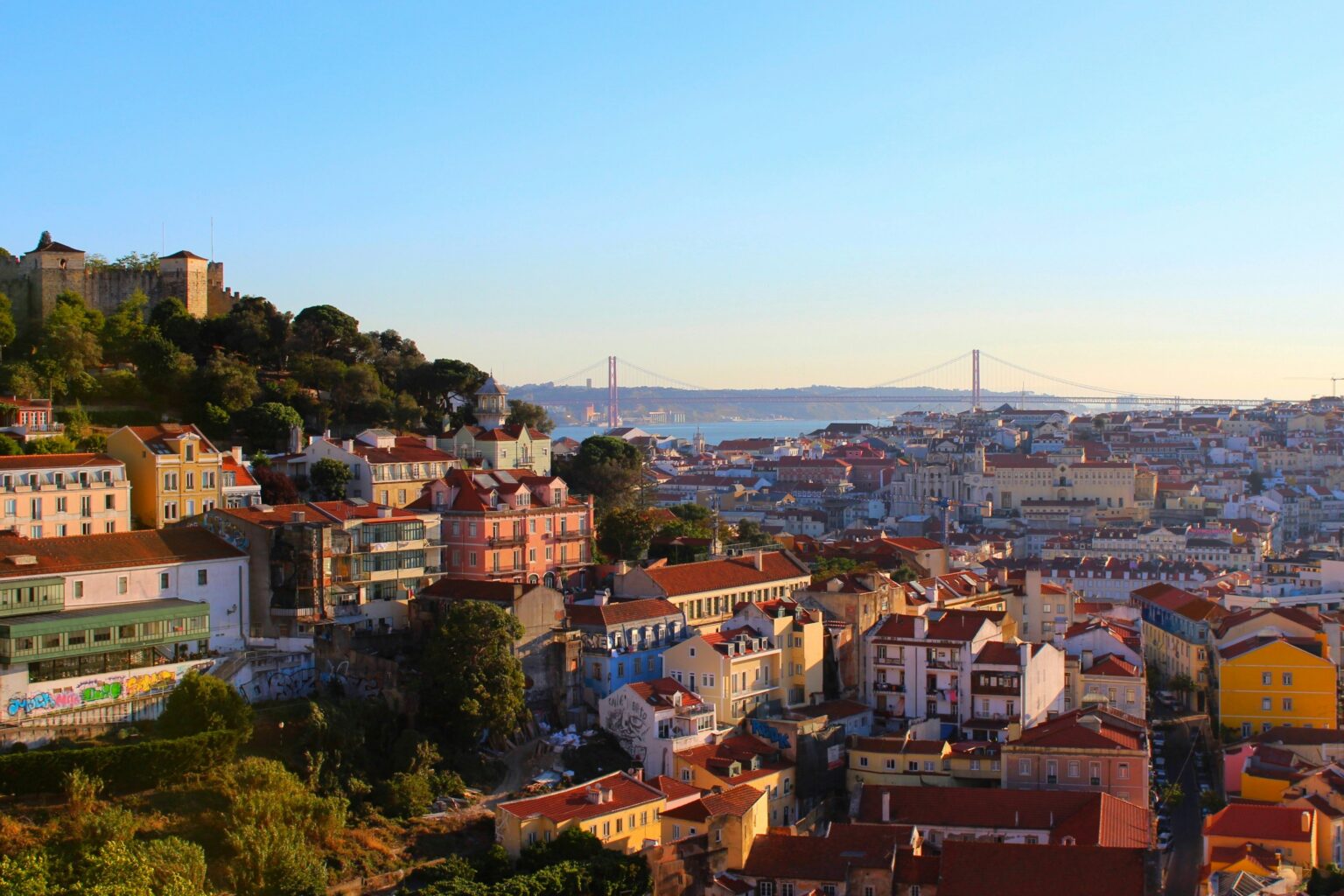
Lisbon, built on seven hills facing the Tagus River, is a city where every stone tells a story of conquests, discoveries, and rebirth. It was here that the spirit of the Age of Discovery was born, when Portuguese caravels set sail into the unknown, making Portugal a major maritime power. Devastated by the 1755 earthquake, the capital rose again under the leadership of the Marquis of Pombal, adopting a rational neoclassical architecture, symbol of order and modernity. Between sparkling azulejos, century-old trams, and steep alleys, Lisbon retains the melancholy of fado while opening up to contemporary creativity. A city of light and contrasts, it combines the past of navigators with the audacity of today’s designers. From Belém to Alfama, Lisbon remains a crossroads of history, a city to be contemplated as much as it is lived, constantly oscillating between memory and rebirth.
🔑 Key to sleep : Verride Palacio de Santa Catarina hotel
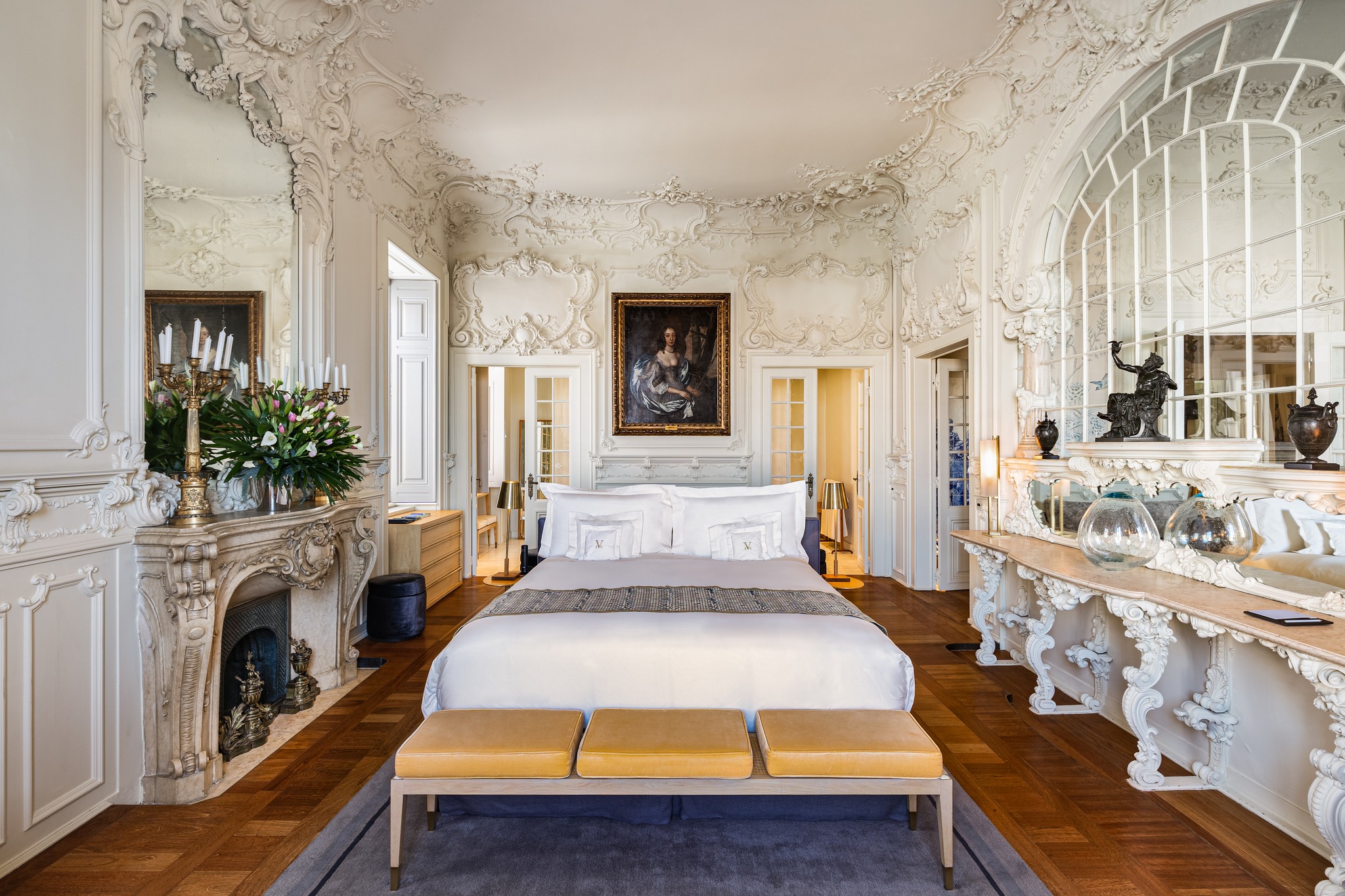
Perched on the heights of Santa Catarina, the Verride Palácio de Santa Catarina embodies the art of Lisbon sleep in all its splendor. A former 18th-century palace enhanced by contemporary renovation, it combines historical grandeur with refined minimalism. Its nineteen light-filled rooms offer breathtaking views of the Tagus River and the ochre rooftops of Lisbon. With its period azulejos, noble materials, and exceptionally attentive service, the hotel invites guests to take a break from the outside world, where time seems to stand still. A confidential and soothing refuge for aesthetes, where you can fall asleep to the hushed rhythms of the white city.
🔑 A must-visit destination: Delta Coffee House Experience Prata Riverside
Open in Paris since September 2025, Delta Coffee House is a must-visit destination for anyone who wants to capture the soul of the Portuguese capital. A true hub of coffee culture, this Delta Cafés space combines artisanal expertise with contemporary design. In a warm and bright atmosphere, visitors can discover the art of Portuguese coffee in all its forms – from immersive workshops to tastings of the finest blends, as well as the brand’s sustainable innovations. More than just a coffee shop, the venue embodies a sensory and urban manifesto for experiencing Lisbon: a laboratory of experiences where tradition and creativity, roasting and conversation come together.
🔑 Architectural highlight: The Belém district
The birthplace of Manueline architecture, the Belém district embodies the grandeur of Portugal during the Age of Discovery. Bordered by the Tagus River, it is home to UNESCO-listed masterpieces: the Jerónimos Monastery and the Tower of Belém, symbols carved from stone and sea foam. A blend of Gothic, Oriental, and maritime influences, Belém celebrates the golden age of explorers. Today, between contemporary art museums, futuristic esplanades, and peaceful gardens, history dialogues with modernity. From the MAAT to the Belém Cultural Center, this majestic neighborhood remains a living lesson in architecture, where each facade tells the story of the open sea and the audacity of the world.
🔑 Key to a secret escape: The Santa Justa Elevator
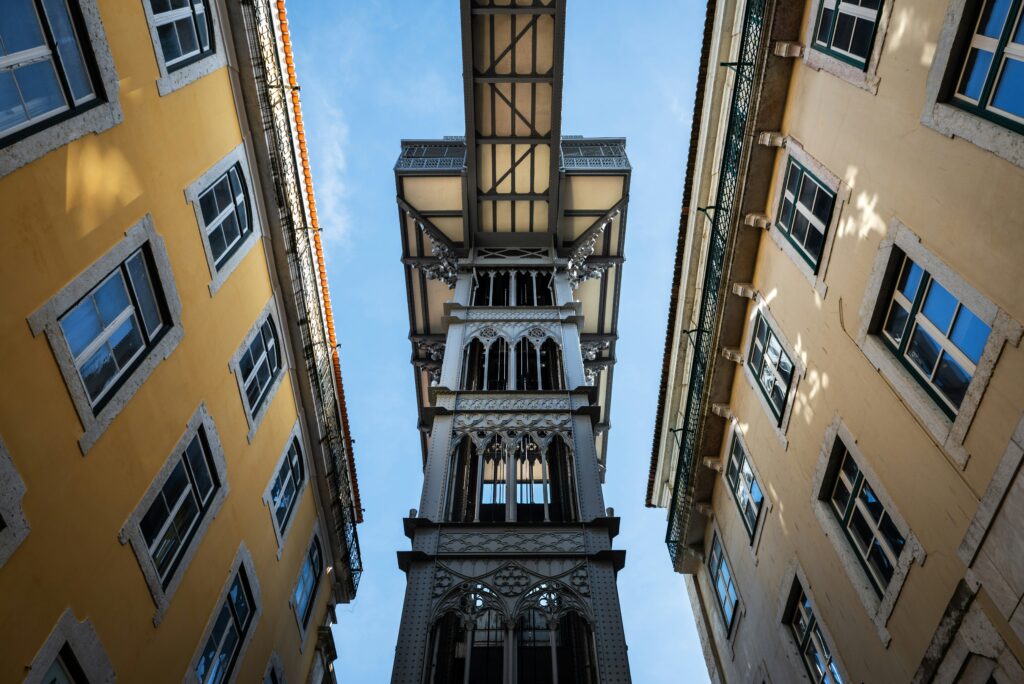
A masterpiece of engineering and elegance, the Santa Justa elevator has connected the bustling Baixa district to the Carmo neighborhood since 1902, overlooking Lisbon with all its neo-Gothic grace. Designed by Raoul Mesnier du Ponsard, a disciple of Eiffel, it combines an openwork metal structure with refined ornamental details. Its vertical ascent, punctuated by spectacular views of Saint George’s Castle and the Tagus River, is an essential Lisbon ritual. Day and night, its belvedere reveals a city suspended between sky and river. More than just an elevator, it is a symbol of elevation, combining technical prowess and urban romanticism.
🔑 Key to Successful Travel: Claus Porto
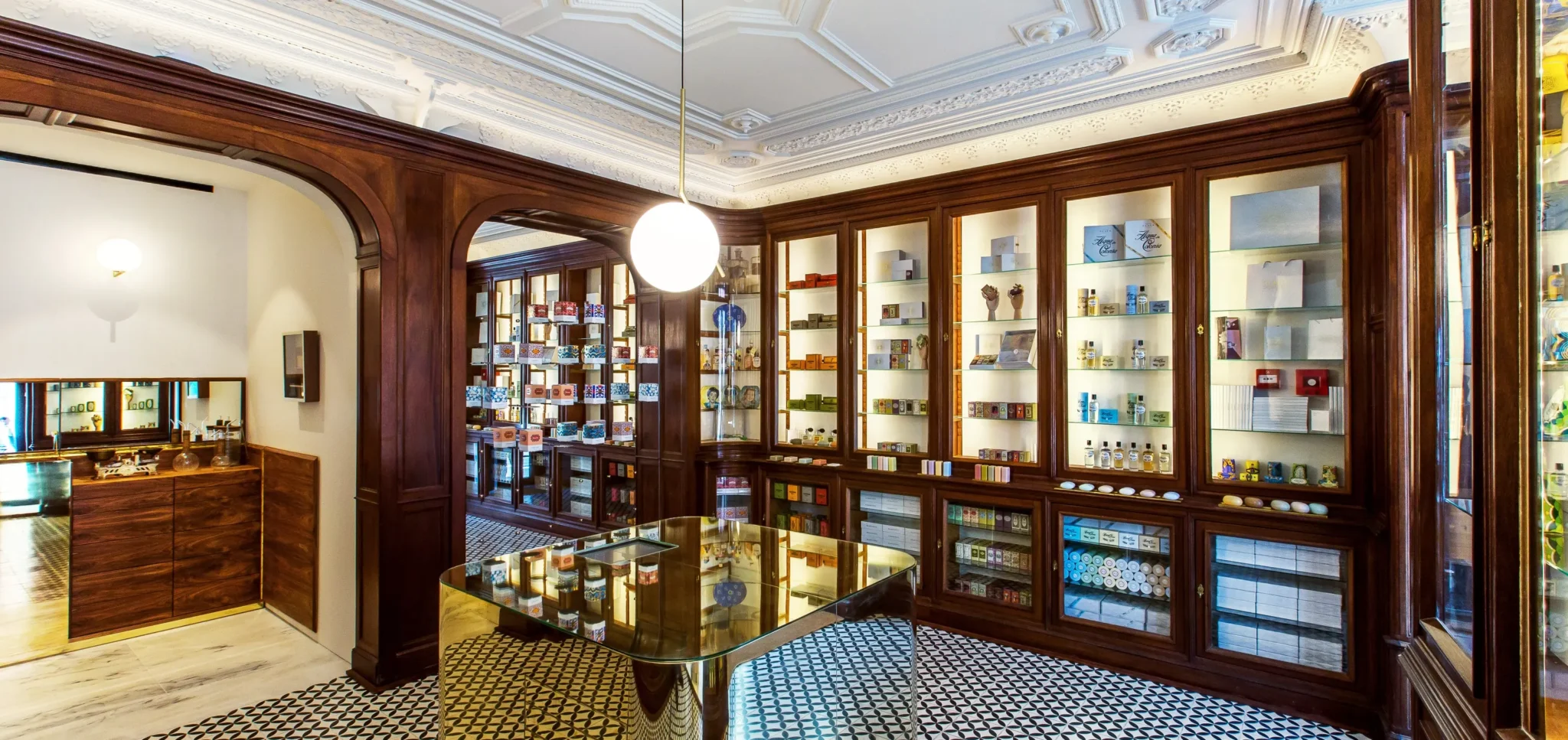
Claus Porto is probably Portugal’s most iconic brand. Founded in 1887 in Porto, it is famous for its handmade soaps with beautiful vintage packaging. Their products are high quality and highly sought after.
🔑 Key to the nature walk: The Sintra-Cascais Natural Park
The park offers a unique cultural walk in the heart of nature, easily accessible from Lisbon. In the heart of the Serra de Sintra, a lush forest with a magical microclimate, trails lead to historic sites such as the Pena Palace and the Moorish Castle. An immersion where romantic architectural heritage blends with exuberant nature, with spectacular views of the Atlantic Ocean.
🔑 Sweet treats: The land of unapologetic indulgence!
Portugal’s sweet treasures celebrate a gourmet lifestyle, a legacy of convents and spice routes. At the top of the list are the legendary pastéis de nata, golden custard tarts born in Belém, which embody Lisbon’s sweetness par excellence. You’ll also love the travesseiros de Sintra, puff pastry cushions filled with almond cream, the ovos moles d’Aveiro, jewels of egg and sugar, and the queijadas, small cakes made with fresh cheese. Each sweet treat tells the story of a region, a history, and ancestral know-how. Golden, fragrant, and often made with egg yolk and cinnamon, these delicacies make Portugal a sweet paradise.
🔑 Key to lunch in town: Mercado da Ribeira (Time Out Market)
This is Lisbon’s most famous market, located in Cais do Sodré. It combines a traditional market with a modern food court where renowned chefs offer their specialties. It has become an essential place to discover Portuguese cuisine.
🔑 Key to the soul: Lisbon Cathedral
Built in the 12th century on the ruins of an ancient mosque, Lisbon Cathedral—or Sé de Lisboa—is the spiritual and historical heart of the city. A blend of Romanesque, Gothic, and Baroque architecture, it reflects centuries of faith and resilience of the Portuguese people. Its golden stones, marked by time and earthquakes, house treasures of sacred art and a mystical light that filters through the stained-glass windows. Dominating the Alfama district, the Sé watches over Lisbon like a guardian of the soul, linking the medieval past and contemporary fervor in a haunting silence.
🔑 Key to eclectic flea markets: La Feira da Ladra
This is Lisbon’s historic flea market, held on Tuesdays and Saturdays at Campo de Santa Clara in the Alfama district. Here you can find antiques, vintage items, old books, and all kinds of curiosities. The atmosphere is very authentic.
🔑 Key to the scenic route: Tram 28
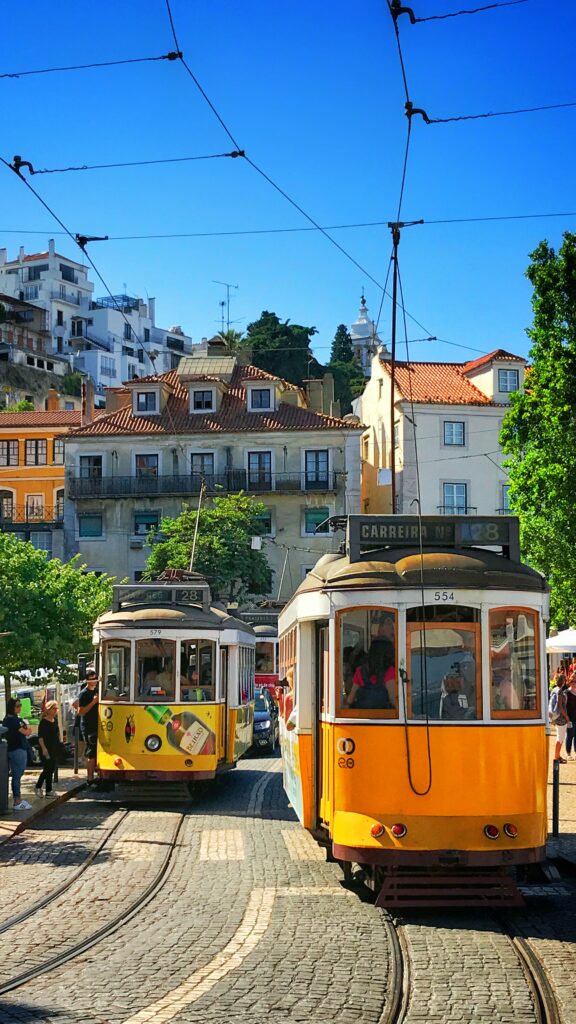
A living symbol of Lisbon, tram 28 offers the most picturesque immersion into the city of seven hills. Its winding route connects Martim Moniz to Campo de Ourique, passing through iconic neighborhoods such as Graça, Alfama, Baixa, and Estrela. Aboard this charming retro yellow tram, you glide between cobbled streets, viewpoints, and azulejo-covered facades, lulled by the familiar squeaking of the rails. More than just a means of transportation, it is a poetic journey through the heart of Lisbon, encapsulating its popular and nostalgic soul. Every turn of tram 28 reveals a moving postcard, authentically Lisbon.
🔑 Key to sensorial well-being : Granado
Founded in 1870 by a Portuguese pharmacist, Granado embodies the subtle encounter between Lusitanian heritage and luxury. Its collections, with their retro-chic elegance, celebrate the beauty of ancient rituals through a refined olfactory experience. Citrus, tropical flowers, and Amazonian essences intertwine in colognes, plant-based soaps, melting creams, and delicate candles. Also present in Paris, the House promotes a sensory art of living, at the crossroads of colonial charm and contemporary sophistication.
🔑 Key to arstistic exhibition : Spectres
At MUDE – Museu do Design e da Moda, the Spectres exhibition (October 4, 2025 to January 11, 2026) explores the dialogue between design, architecture, and urban memory. Presented as part of the 7th Lisbon Architecture Triennale, it questions the invisible weight of cities through installations, objects, and contemporary perspectives on space and creation.
🔑 Key to deco & design : Wewood et Boca do Lobo
A symbol of Portuguese craftsmanship, Wewood combines traditional craftsmanship with contemporary design. Its sleek and durable solid wood furniture combines minimalist lines with an ecological commitment, celebrating the natural beauty of the material with timeless elegance.
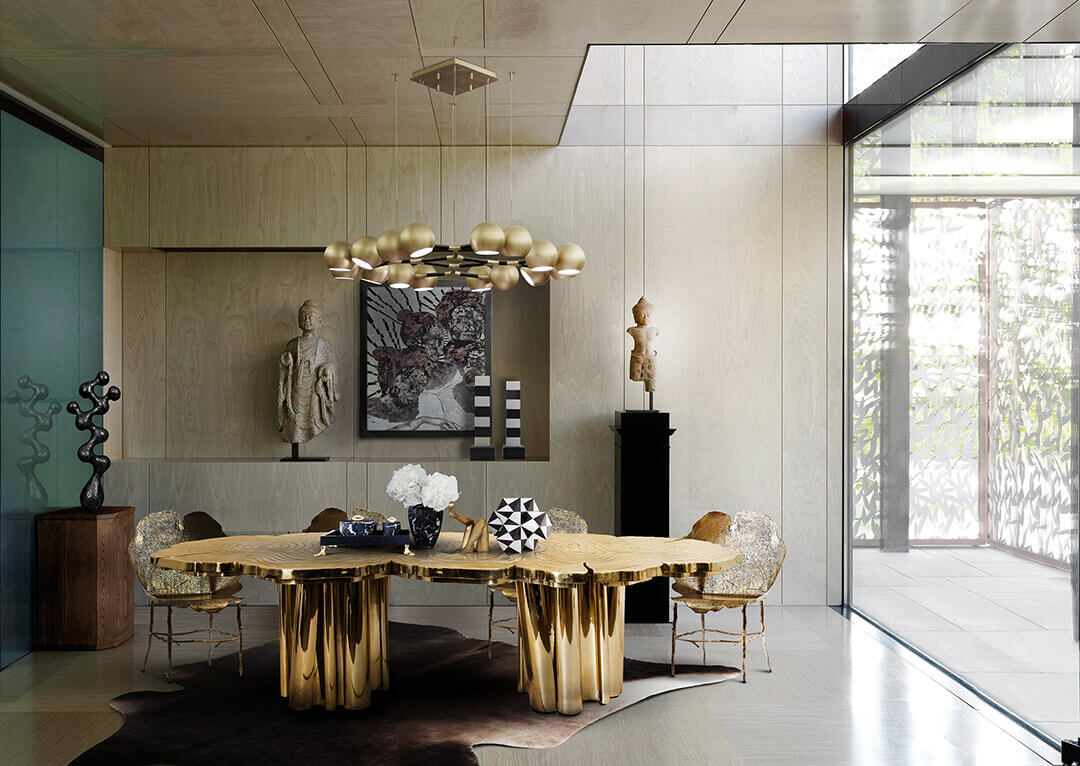
A true House of Art, Boca do Lobo pushes the boundaries of luxury furniture. Each piece, sculptural and bold, combines artisanal techniques and baroque creativity, transforming the space into a gallery of emotions and refined extravagance.
🔑 Key to the Happy Hour : Bairro Alto area
Bairro Alto is THE place to be for drinks and nightlife. The narrow streets fill up from 6 to 7 p.m. with a festive and relaxed atmosphere. People often drink outside in the streets. Popular bars: Pavilhão Chinês (amazing decor), Portas Largas, Artis.
🔑 Key to musical diner : The Clube de Fado ou Mesa de Frades
An iconic address in Alfama, Clube de Fado combines elegance, refined cuisine, and pure emotion. In a cozy atmosphere, the voices of the best fadistas resonate, offering a timeless experience at the crossroads of Lisbon tradition and prestige. Nestled in a former 18th-century chapel, Mesa de Frades embodies the authentic soul of fado. An intimate and confidential place, where stone, voice, and guitar converse beneath the azulejos, in a rare poetic intensity.
🔑 Key to fancy diner : JNCQUOI Avenida
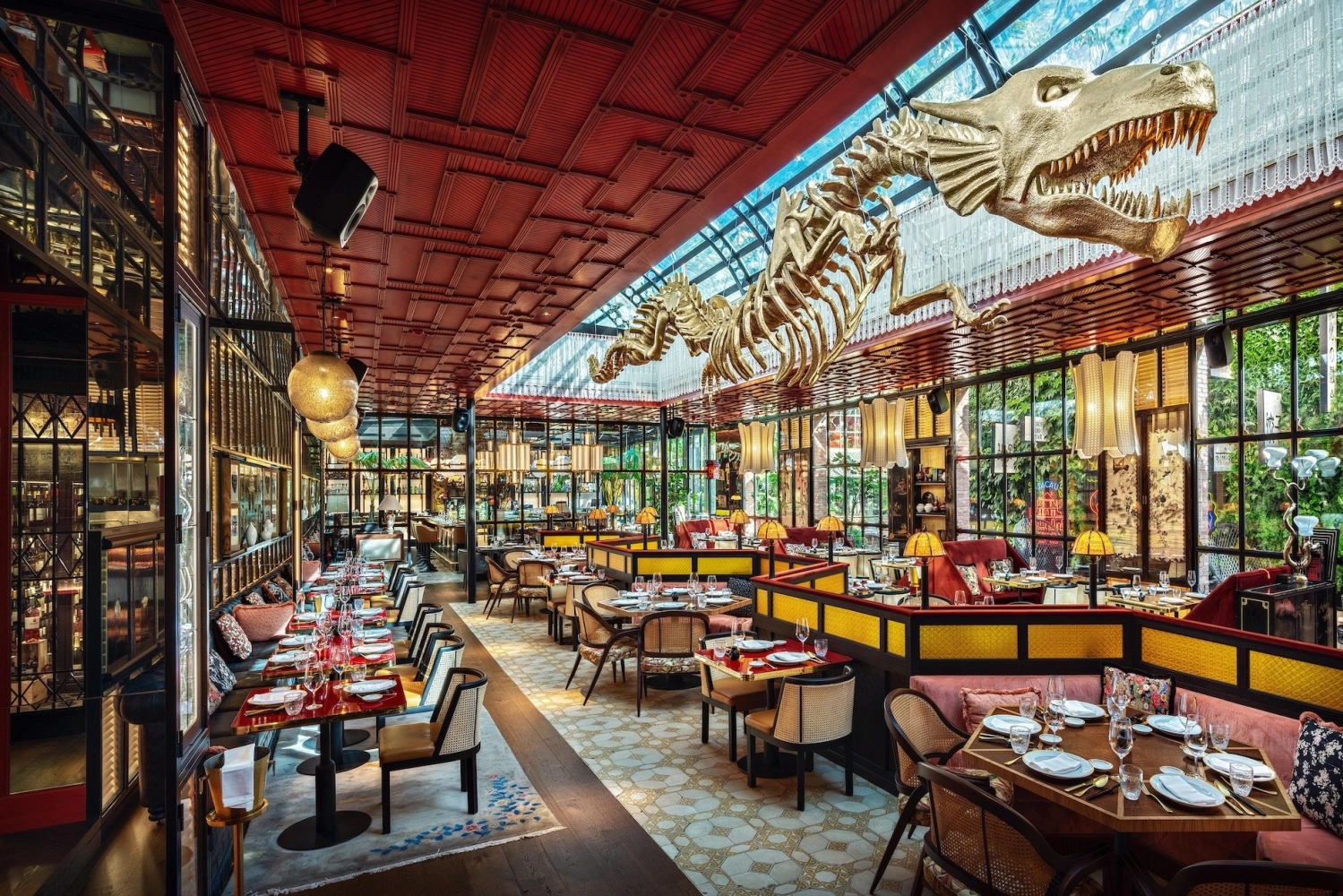
An iconic address on Avenida da Liberdade, JNCQUOI Avenida embodies contemporary Lisbon chic. With spectacular décor by Lázaro Rosa-Violán and a cosmopolitan atmosphere, this venue combines refined cuisine, a cocktail bar, and a concept store. Guests can enjoy inventive Mediterranean cuisine under the gaze of a majestic suspended dinosaur—a symbol of this bold venue where fashion, art, and flavors come together.
🔑 Key to clubbing : Lux Frágil
Lux Frágil is THE legendary club in Lisbon, founded in 1998 and co-owned by John Malkovich. Located on the banks of the Tagus River in the Santa Apolónia district, it is the most prestigious establishment in the capital. It offers cutting-edge electronic music, international DJs, and a rooftop with views of the river. The atmosphere is trendy and selective at the entrance.
Good to know 💡
Lisbon is built on seven hills-bring good walking shoes! The climbs are steep.
The yellow trams (especially the 28) are iconic but crowded with tourists. Try them early in the morning.
Restaurants serve late dinner rarely starts before 8 or 9 p.m.
Next stop: Deauville
Read also > An Iconic stopover… Ibiza
Featured Photo : © Unsplash