






The tradition of the Christmas tree dates back to the 16th century in Germany, where conifers were decorated with apples, nuts and gilded paper to celebrate the winter solstice. It then spread across Europe, especially in France and England, and became widely popular in the 19th century thanks to royal families such as that of Queen Victoria. Decorations evolved over time, from candles and fruits to glass baubles, garlands and eventually electric lights. Today, the Christmas tree is a central festive ritual, standing proudly in living rooms across millions of households and surrounded by gifts during the holiday season.
60 million
Each year in Europe, around 50 to 60 million Christmas trees are sold, most of them coming from tree farms rather than forests. Artificial trees account for 20 to 25% of sales, according to Industry Research.
6.4 million
According to a Kantar study for FranceAgriMer and Valhor, 6.4 million trees were sold in France in 2022. Of these, 5.7 million were natural trees – 89% of total volume – for a total revenue of 173 million euros.
77.9%
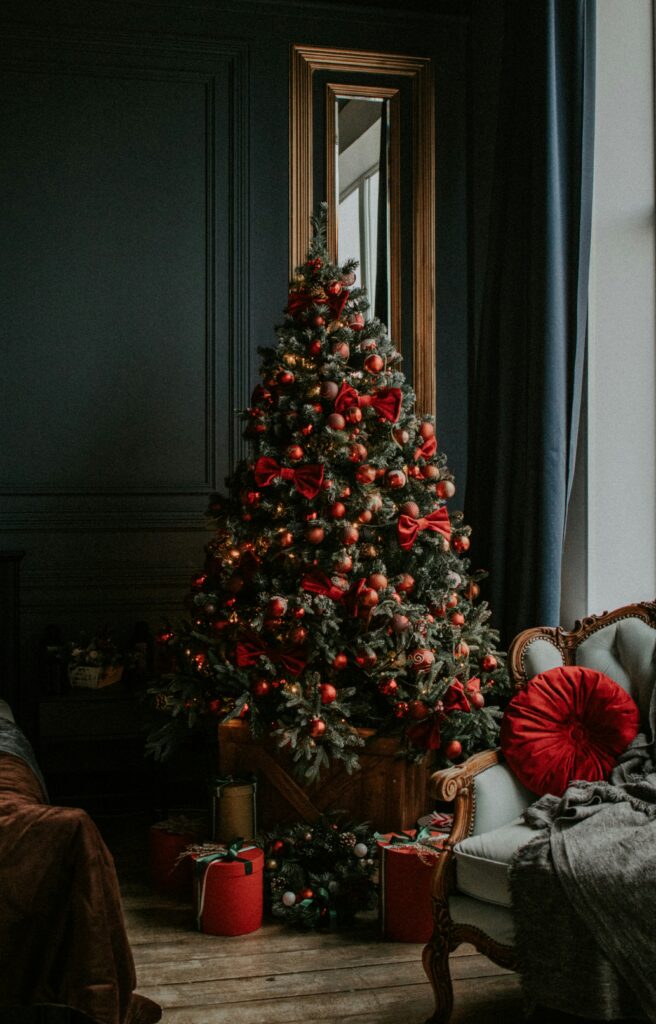
Still according to Kantar, 77.9% of the Christmas trees sold in France were Nordmann firs. Spruce accounted for 17.7% of sales in 2022.
83%
In 2022, 83% of Christmas trees were recycled, compared with 69% in 2013. The share of trees thrown away dropped to 8% in 2022 from 19% ten years earlier. Trees returned to the point of sale represent 2%, and those replanted 5%.
3.2 billion dollars
Verified Market Research values the European Christmas tree market at 3.2 billion dollars in 2024, according to a report published in May 2025. The sector is expected to reach 4.7 billion dollars by 2032, with a compound annual growth rate of 4.5% between 2026 and 2032.
40.4%
America is the largest market in the Christmas tree industry, accounting for 40.4% of total sales, or 25 million natural trees according to Market Data Forecast. Some sources estimate the figure as high as 30 million.
3.5 kg
According to the Carbon Trust, a 2-meter natural Christmas tree that is chipped or burned after the holidays generates around 3.5 kg of CO2-equivalent. If it ends up in landfill, its impact increases to 16 kg of CO2-equivalent. In comparison, an artificial tree of the same height – typically made of PVC and metal – represents about 40 kg of CO2-equivalent. It would therefore need to be kept and reused for at least twelve years to become more environmentally friendly than a properly recycled natural tree.
444 trees
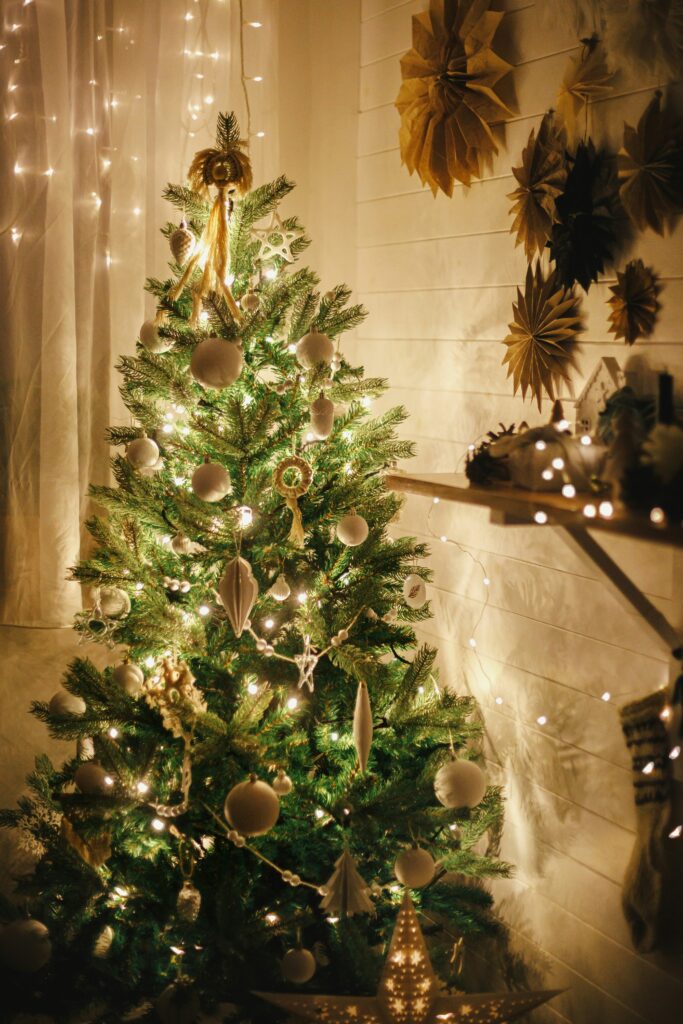
In 2022, an unusual world record was set. A German couple decorated 444 Christmas trees inside a single home, using 72,000 ornaments and 47,000 light garlands.
80%
China is the world’s leading producer of artificial Christmas trees, accounting for 80 to 90% of global manufacturing. The trees are produced in specialized factories using PVC, metal, plastic and sometimes synthetic fibers, according to Industry Research.
10 years
It takes about 10 years for a natural Nordmann tree to reach a “commercial” size of around 1.8 meters. Some producers report slightly shorter times in favorable conditions: certain trees can reach harvestable size in 7 years. For every natural Christmas tree harvested, 1 to 3 young saplings are planted the following spring.
Read also : “All I Want For Christmas is You,” Mariah Carey’s Christmas anthem in 5 figures
Featured photo : Unsplash