





This is the story of a feminine accessory that fell out of fashion in the late 1960s… And which is now making a comeback, reflecting the strong desire of younger generations to challenge social norms and embrace the symbols of an era they have never known. Once reserved for weddings, formal occasions, and high society, opera gloves are now a fashion essential that are making their way far beyond the red carpet.
Anyone who has ever stepped inside a Parisian opera house knows that, apart from the performers on stage, no woman is likely to be seen wearing gloves that cover almost the entire arm.
In the hushed world of women’s gloves, there are many different lengths. Long gloves or evening gloves can extend beyond the wrist (30-35 cm) or to the elbow (40-45 cm). But the opera glove (between 60 and 80 cm) extends above the elbow to reach the biceps.
This relic of the 1950s is enjoying a revival in the 2020s. The phenomenon is due as much to celebrities opting for long gloves on the most prestigious red carpets (from the MET Gala to the Grammys and the Golden Globes) as to recent haute couture collections and the younger generation’s appropriation of outdated dress codes. So much so that opera gloves are crossing class boundaries and becoming a more or less natural part of everyday wardrobes.
High society and respectability
Originally, the development of gloves in Europe went hand in hand with the predominance of Christian culture, which, since the Middle Ages, dictated clothing styles and required women to limit the exposure of their flesh through their attire. Arms were initially concealed by long sleeves.
Initially small and made of white kid leather, gloves were first used to make it easier to hold horse reins and to protect against the winter cold. It is therefore not surprising that one of the occasions when gloves became essential was precisely during official ceremonies and social events.
This is how the opera glove carved out a place for itself at the end of the 18th century, particularly at balls.
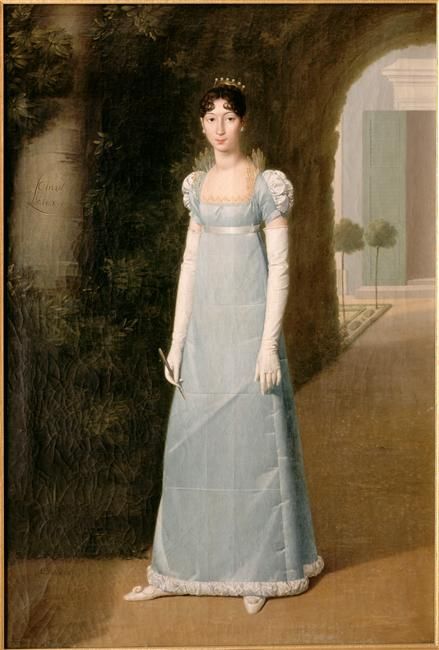
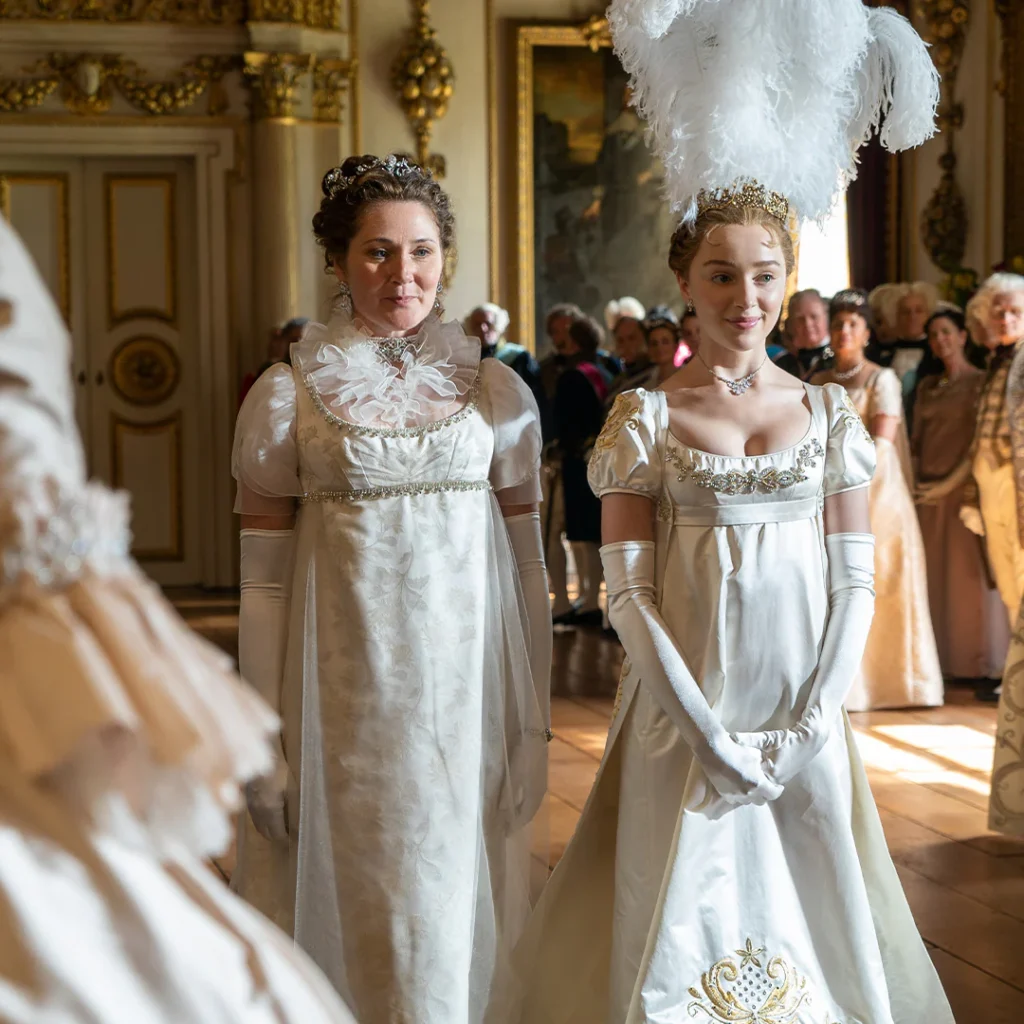
The long evening glove was ubiquitous at Napoleonic balls (1800-1820). This white opera glove, also known as a “debutante glove,” became a must-have at debutante balls from London to Vienna to New York. According to this practice, young girls from the aristocracy were presented at court before their 18th birthday. This rite of passage signified their official introduction into high society and the associated social events. Gloves were all the more de rigueur as dresses were short-sleeved or sleeveless, challenging the rules associated with modesty.
Like the hat (capeline), the use of gloves is particularly codified. Thus, while a woman is allowed to remove her gloves indoors to eat or drink, she must keep them on at a reception or when she goes out.
Considered the most expensive gloves because they require more material, opera gloves serve to indicate social status and protect the skin from external aggressions, particularly those of the sun. Thus, in the 18th and 19th centuries, all women from the upper social classes were required to avoid the sun’s rays as much as possible. For members of the aristocracy and upper middle class, this meant displaying an extremely pale, even deathly complexion, signifying to all that the person was exempt from hard labor in the fields or outdoors due to their status. In the Victorian era, having small, delicate, and pale hands contributed to the definition of beauty standards. Women were tempted to wear gloves that were too small to make their hands appear smaller than they were.
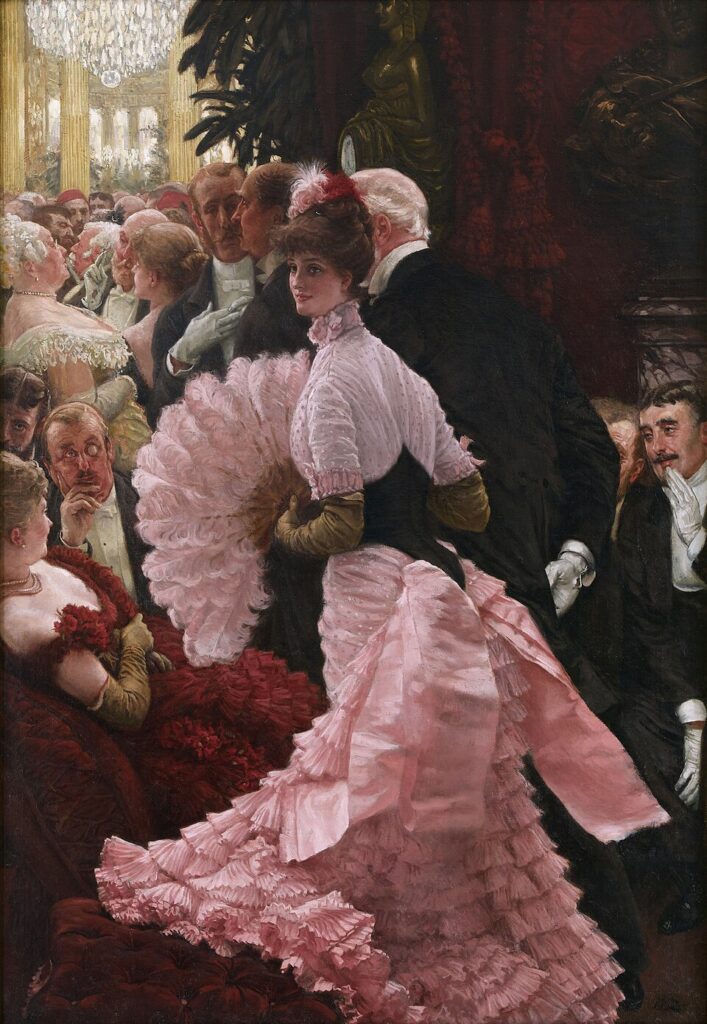
Among the artists who made opera gloves a glamorous accessory in the 19th century, historians agree on the American actress and singer Lilian Russell and the “divine” Sarah Bernhardt.
The latter, self-conscious about her arms, which she found too thin, had the idea of covering them up.
On the eve of World War I, opera gloves remained popular in privileged circles. In the 1950s and 1960s, they were at the heart of fashion trends that went hand in hand with the advent of the princess woman with Christian Dior.
At the same time, across the Atlantic, the opera glove was still very much in evidence in high schools during prom season, while Hollywood transformed the image of the opera glove, elevating it to a feminine attribute that was as sophisticated as it was scandalously sexy. Thus, Rita Hayworth, Marilyn Monroe, and Audrey Hepburn made the opera glove an indispensable tool for showgirls and an instrument of fantasy in the films Gilda (1946), Gentlemen Prefer Blondes (1953), and Breakfast at Tiffany’s (1961).
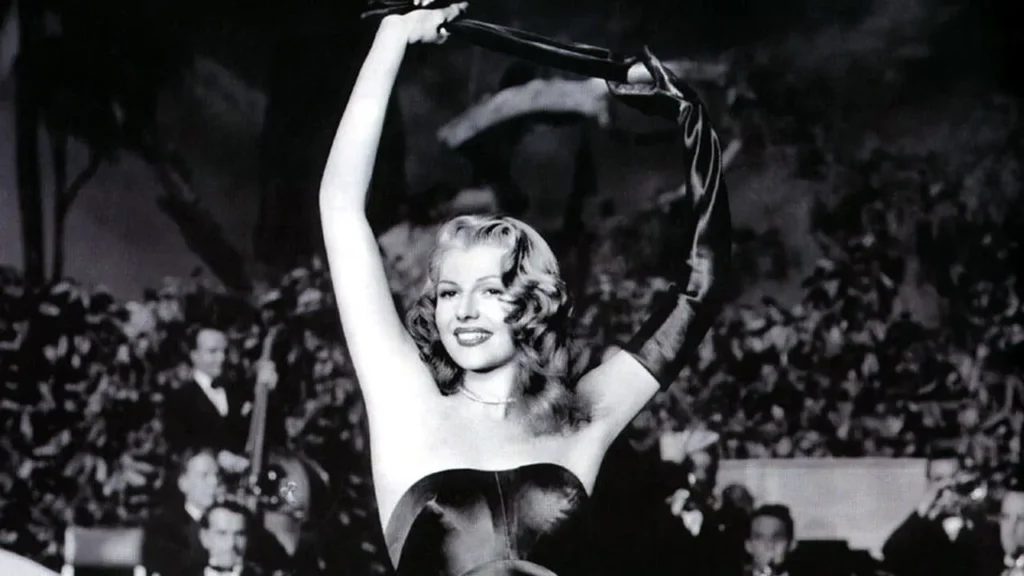
Adding an undeniable dramatic dimension, opera gloves enjoyed a resurgence in the 1980s and 1990s, both in the music world (Madonna, Paula Abdul, etc.) and in cinema, including animated films (Who Framed Roger Rabbit, Pretty Woman, The Bodyguard, Titanic, Anastasia, etc.).
Unexpected resonance with younger generations
Between the Hulu series All’s Fair starring Kim Kardashian, the promotion of Taylor Swift’s new album, the Prada Spring/Summer 2026 collection, and Hailee Steinfeld’s wedding,the opera glove phenomenon, which had already reappeared in the media in the early 2020s, is not about to stop. Experts report a 30% increase in sales over the last two years.
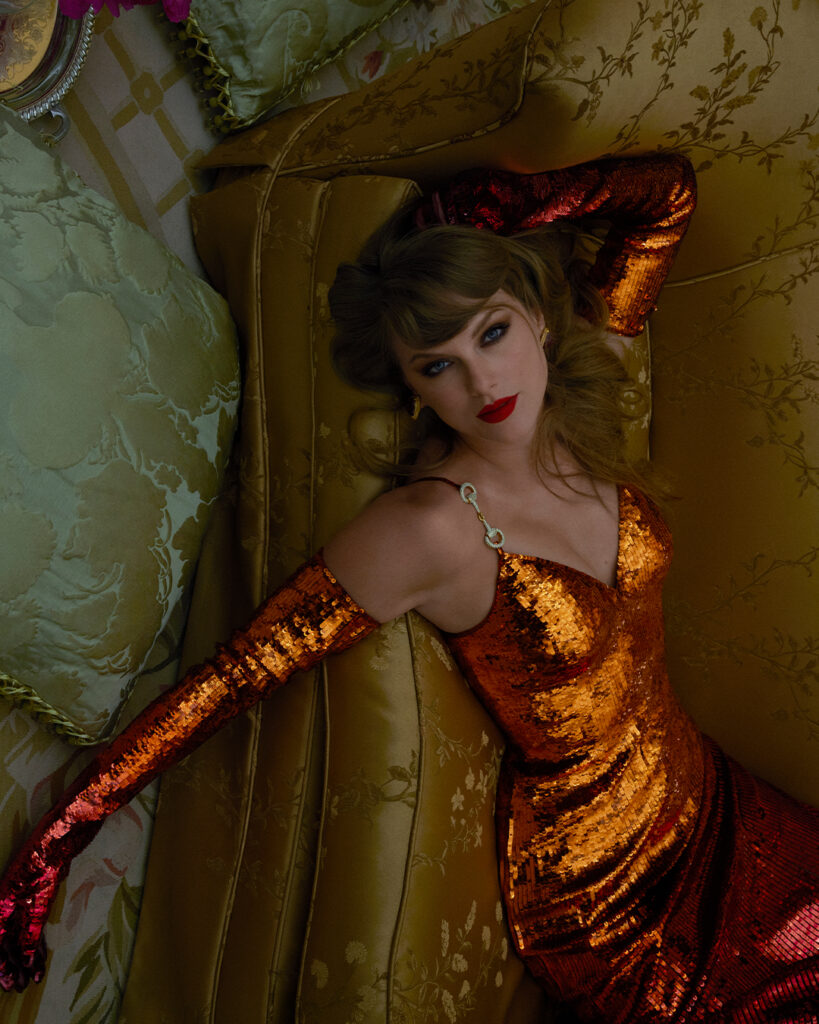
A key accessory in wedding attire in the last century, the opera glove is making a comeback even as the decline in the number of marriages is well established. This symbol of Old Hollywood seems to be part of a quest for nostalgia and escape from a reality perceived as too complex and uncertain. The Netflix series Bridgerton is largely responsible for this renewed enthusiasm for long evening gloves.
This year’s 82nd Golden Globes ceremony saw many evening outfits accessorized with opera gloves, from Ariana Grande in a champagne Givenchy dress to Sydney Sweeney in Miu Miu and Kerry Washington in Balenciaga.
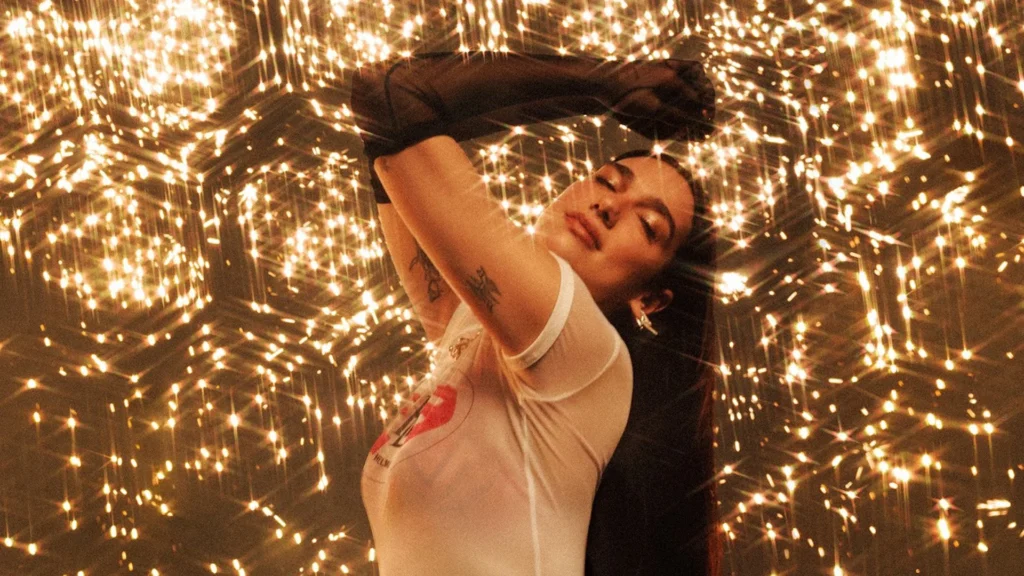
An underrated representative of the hidden reveal prized by revue leaders and burlesque stars such as Dita Von Teese, the opera glove is now a stage accessory capable of attracting attention and creating distance.
In recent years, stars such as Ariana Grande, Olivia Rodrigo, Tinashe, Meghan Trainor, and especially Dua Lipa have clearly given it its letters of nobility. Artists such as Beyoncé and Rosalia have thus approached Maison Fabre, the French glove maker. Finally, fashion shows are no strangers to this resurgence of the opera glove.
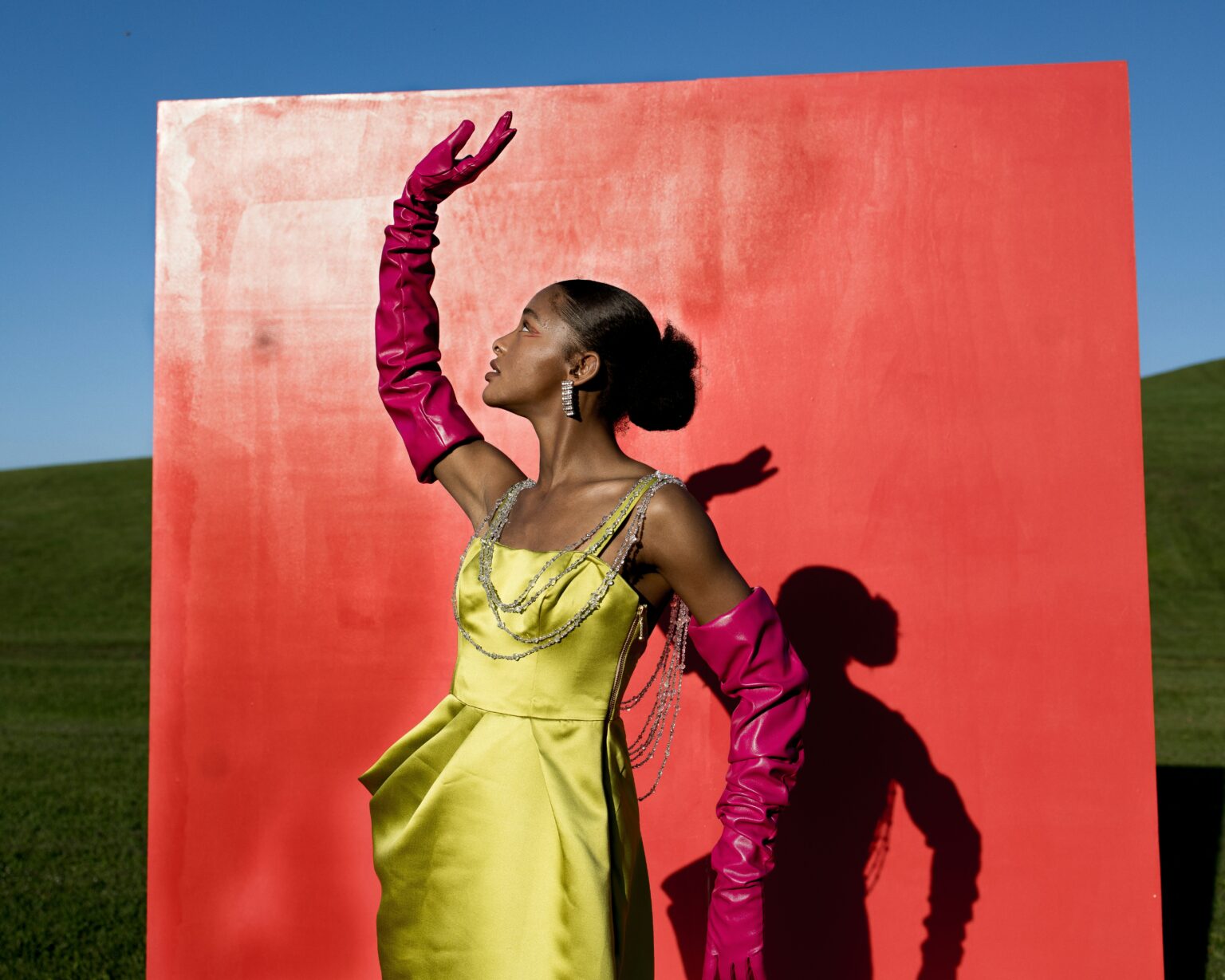
Already for her fall-winter 2019 collection, Marine Serre had found a clever way to highlight her crescent moon logo. And Valentino, who is once again showcasing it in his latest collections, didn’t wait for Alessandro Michele to bring back a very Old Hollywood look in his spring-summer 2022 presentation. For its latest summer collection, Prada set the tone for a trend that is set to become a staple in 2026: colorful leather opera gloves. This variation on leather complements other popular materials such as silk, mesh, and nylon, which can be found at specialists such as Cornelia James.
Read also > The little story of… tanning
Featured photo: Getty Images/Unsplash+