

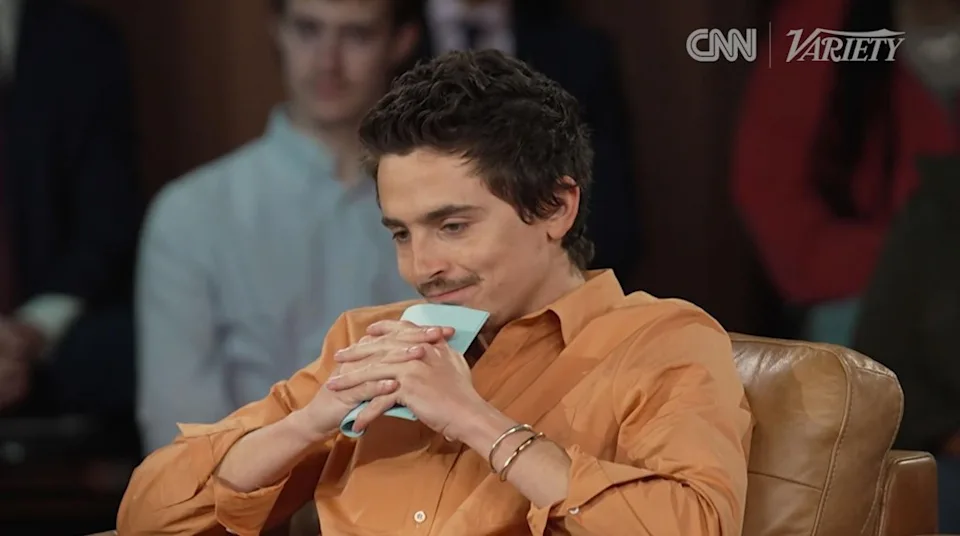




The Franco-American actor Timothée Chalamet finds himself at the center of a lively controversy after statements deemed contemptuous towards opera and ballet, two emblematic disciplines of the classical arts.
The controversy arose during a public exchange with actor Matthew McConaughey organized as part of the promotion of his new film Marty Supreme. Asked about the types of artistic projects that attract him, Chalamet mentioned the forms of art in which he did not see himself evolving. He then cited opera and ballet, explaining that in his opinion these were arts that one was trying to preserve when “no one really has anything to do with them anymore today”.
Aware of the provocative nature of his remarks, the actor immediately qualified by adding ‘with all due respect for those who work there’, before joking about the consequences of his remark: ‘I probably just lost part of my audience’. If Timothée Chalamet tried to lighten the mood, the phrase quickly circulated on social networks and triggered a wave of reactions in the cultural world.
The world of opera and ballet in anger
Many artists and institutions have denounced reductive remarks regarding disciplines that have structured the history of the arts for several centuries. Behind every opera or ballet production there are hundreds of professionals: dancers, lyrical singers, musicians, choreographers, costume designers and technicians. For many, to claim that these art forms are no longer of interest is to ignore their vitality and cultural importance.
Voir cette publication sur Instagram
Voir cette publication sur Instagram
Several major figures in dance and classical music have spoken to defend these disciplines. Prestigious institutions, such as the Paris Opera or the Metropolitan Opera of New York (which sold 72% of the tickets for the 2023-24 season), also reacted on social networks, sometimes with humor, by publishing excerpts from shows to recall the modernity and creativity of these arts. The Seattle Opera even promoted its opera Carmen with the Timothée code, while the Vienna Opera made a vox pop about passers-by’s relationship to this art.
The controversy has also spread to Hollywood. Several celebrities took a stand, including singer Doja Cat and actor Bradley Whitford, who publicly defended the artistic value of opera and ballet.
A controversy just days before the Oscars
The irony of the situation has not escaped some observers: Timothée Chalamet’s mother, grandmother and sister have all been professional dancers. This detail was widely mentioned in the comments criticizing the 30-year-old actor.
The controversy quickly gained momentum on the internet, where millions of internet users viewed the extract from the interview. While some reproach the actor for having despised fundamental disciplines of culture, but also for considering cinema as “better” than other arts, others believe that he simply expressed an opinion on the current popularity of classical arts with the general public. For now, Timothée Chalamet has not officially apologized and has not retracted his remarks.
The bad buzz also comes at a particularly sensitive time for the actor. Timothée Chalamet is indeed nominated for the Oscar for best actor for his role in Marty Supreme, a film dedicated to the table tennis champion Marty Reisman. The feature film itself is among the most noticed films of the awards season and has garnered several Oscar nominations, whose 98th ceremony will take place on March 16.
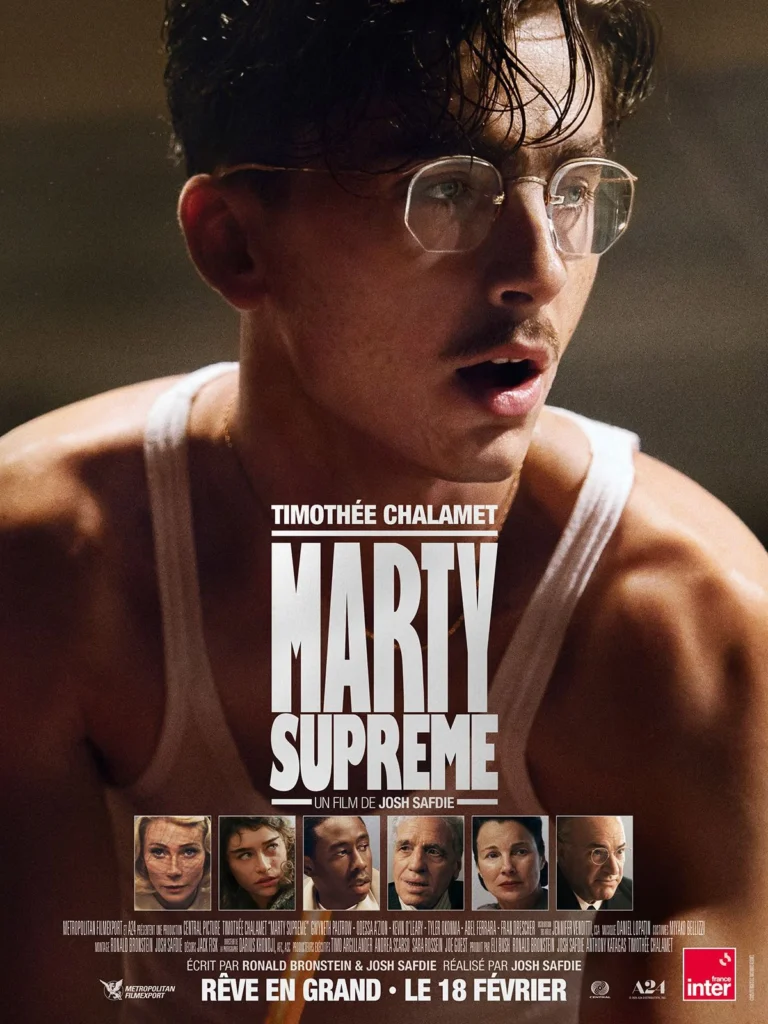
However, the impact on the vote of the members of the Academy seems limited: the votes for the Oscars were already closed by the time the actor’s words began to circulate widely online.
Less attendance, but an art still considered prestigious
Beyond the controversy, the case relaunches a recurrent debate on the place of opera and ballet in contemporary culture: between major artistic heritage and the need to reinvent oneself to reach new generations.
The report ‘Arts Participation Patterns in 2022: Highlights from the Survey of Public Participation in the Arts’, published in October 2023 by the National Endowment for the Arts (NEA) in the United States, analyzes public participation in artistic activities.
According to this study, only 0.7% of American adults attended an opera and 2% a ballet in 2022, mainly at performing arts venues and opera houses. These levels are down compared to the previous edition of the survey: participation in opera rose from 2.2% to 0.7% (-68%) and that in ballet from 3.1% to 2% (-37%).
The report therefore highlights a notable decrease in attendance of these forms of live performance in recent years. For all that, these arts integrate a world cultural heritage that still touches the hearts of its enthusiasts and which it seems necessary to perpetuate and glorify.
Read also : Milano Cortina 2026: Olympic apotheosis at the Opera
Featured photo : CNN