




Long associated with Middle Eastern rituals, oud has established itself over the past two decades as one of the most sought-after ingredients in contemporary perfumery. Behind its commercial success lies a history spanning millennia, blending spirituality, natural rarity, and a growing dialogue between Eastern and Western olfactory cultures.
An Ingredient Born of Chance and Tradition
Long before it found its way into the collections of major perfume houses, oud already held an essential place in Asian and Middle Eastern societies. Derived from agarwood (Aquilaria), it appears only when the tree reacts to a fungal infection by producing a dark, fragrant resin. This natural phenomenon remains exceptional: only a small proportion of trees develop this resin, explaining the rarity and high price of the raw material.
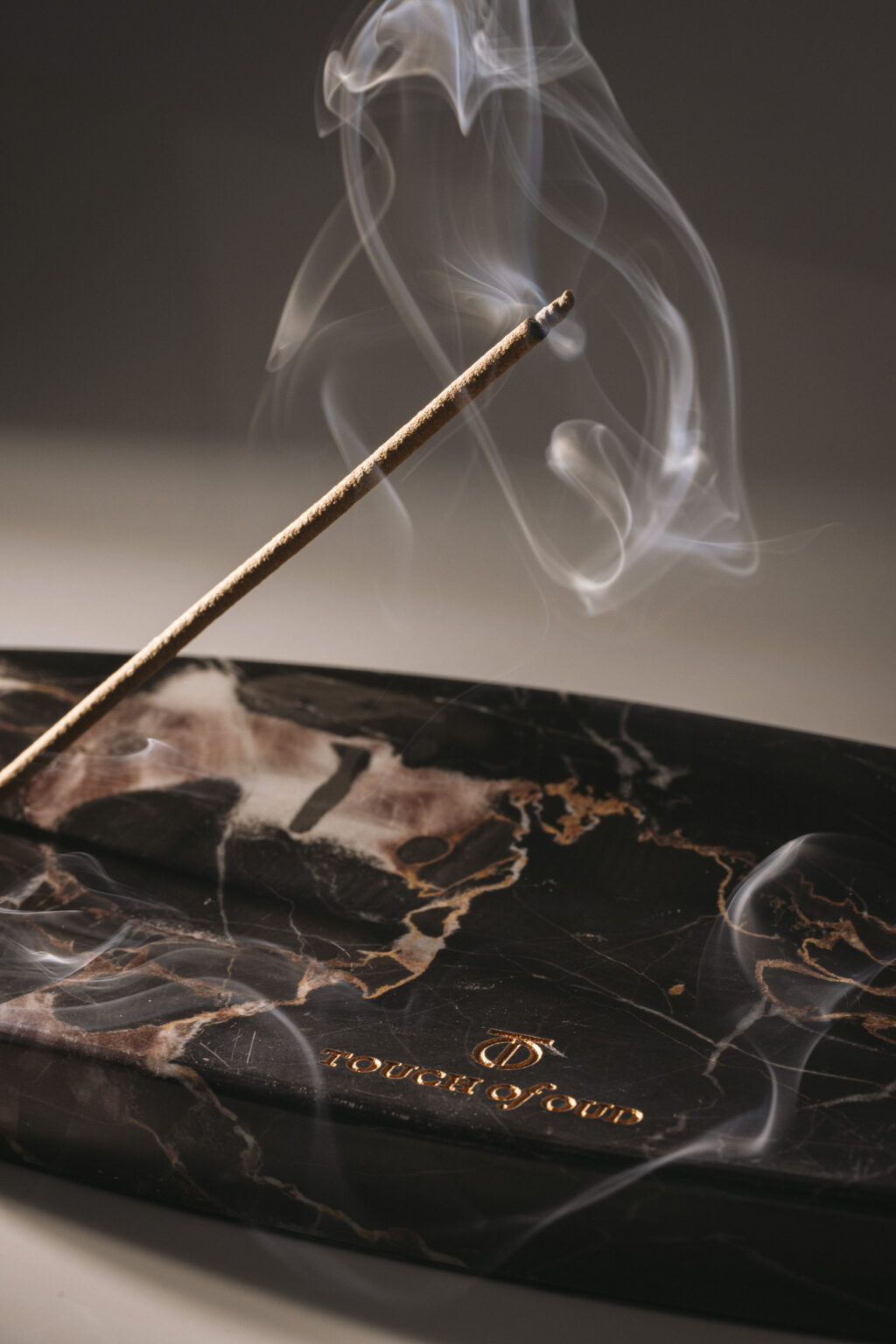
For centuries, oud was not intended to be sprayed on the skin. It was burned as incense in homes, places of worship, or during major family celebrations. Its scent accompanied weddings, religious festivals, and the welcoming of guests. More than just a fragrance, it embodied a form of hospitality, respect, and tradition.
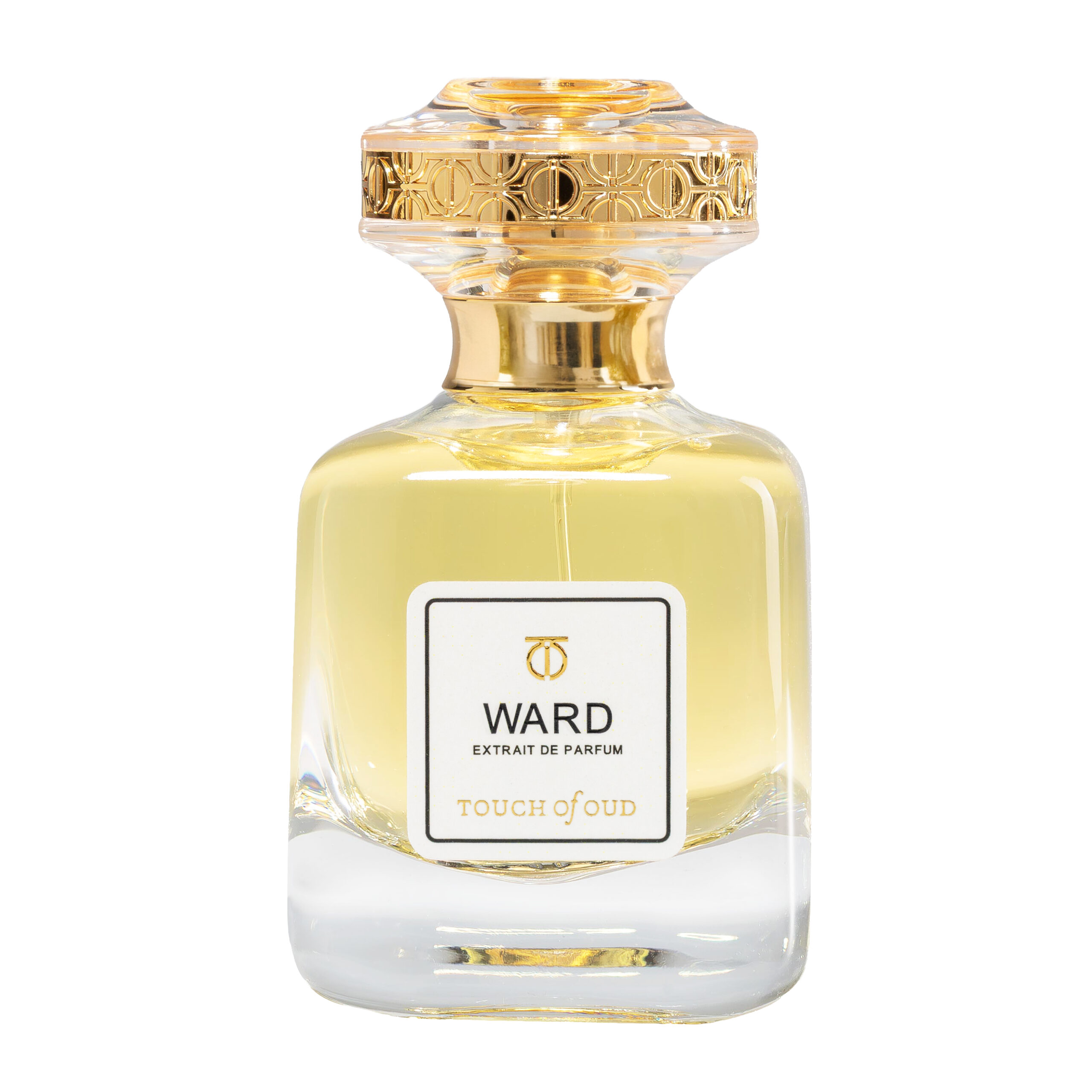
This cultural dimension remains very much alive today in the Gulf countries, where perfume is an integral part of a true art of living. Some contemporary houses, such as Touch of Oud, founded in Dubai, embrace this heritage by making oud the central theme of their creations rather than merely an ingredient. Their compositions seek balance rather than a display of power, using oud as an olfactory structure that supports the fragrance without consistently dominating it.
When the East Transforms Western Perfumery
The arrival of oud in Western perfumes is a relatively recent phenomenon. In the early 2000s, major houses began exploring this ingredient, which had previously been little known to their clientele. The goal was no longer to faithfully reproduce Eastern traditions but to offer an interpretation tailored to European and American sensibilities.
Among the pioneers was Tom Ford with Oud Wood (2007), which helped introduce a softer, woodier, and more accessible oud. Other houses then developed their own styles: Dior creates a dialogue between oud and rose in Oud Ispahan, while Maison Francis Kurkdjian built an entire collection around this ingredient with Oud, Oud Satin Mood, and Oud Silk Mood, where the wood blends with floral and amber notes. Diptyque favors a darker approach with Oud Palao, while Jo Malone London offers brighter interpretations through Velvet Rose & Oud and Oud & Bergamot.
This evolution illustrates a deeper shift: Western perfumery is no longer seeking only fresh or floral notes but rather more textured signatures capable of telling a story and creating an olfactory identity.
A wood that continues to reinvent itself
Today, oud continues to inspire creators, who are gradually moving away from the image of a wood that is exclusively dark or animalic.
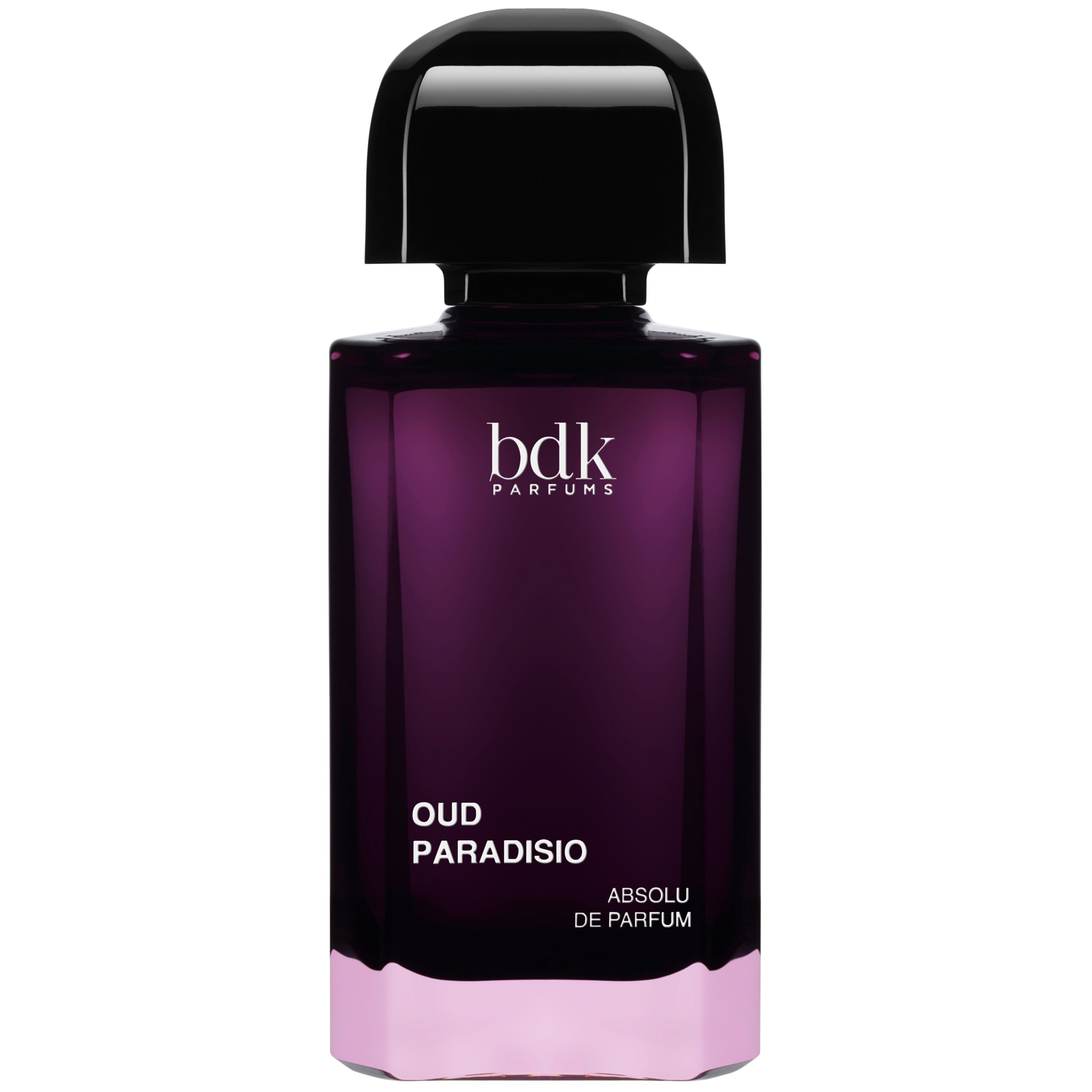
To celebrate its tenth anniversary, BDK Parfums is launching Oud Paradisio as part of its Studio Collection. Created by perfumer Jordi Fernández, the fragrance combines Thai oud with an unexpected accord of pineapple ice cream, a trio of roses, and a cocoa base note, offering a brighter interpretation of this traditionally dense ingredient. The creator draws a parallel between the character of oud and the texture of leather in haute couture, continuing the dialogue between fashion and perfumery that defines this new collection.
At Touch of Oud, this connection has been a defining feature since the brand’s inception. Its founder, Samer Zakharia – a Franco-Lebanese designer born in Kuwait – grew up immersed in the fragrant rituals of the Gulf and a family environment where scents played a central role. After a career with major groups such as L’Oréal and LVMH, followed by the creation of several beauty and fragrance houses blending alchemy, symbolism, and sensory experience, he founded Touch of Oud to offer a contemporary interpretation of this heritage. The brand’s creations explore different facets of agarwood: Saden offers a leathery, oriental interpretation, Ward combines oud with Damask rose, saffron, and amber, while Jelood brings together leather, flowers, and oud in a more contemporary composition. Since 2025, Samer Zakharia has also been pursuing this approach with Concept Parfums (located at 50 rue de Sèvres, 75007 Paris), a Parisian space dedicated to independent perfume brands, conceived as a hub for discussion around olfactory creation.
While most contemporary perfumes use oud accords that are reconstituted or supplemented with synthetic molecules, the fascination with this ingredient remains undiminished. Rare in nature, deeply rooted in the history of the Middle East, and now reinterpreted by major Western houses, it has become one of the symbols of a globalized perfumery industry where cultural references circulate just as freely as raw materials.
Read more > PRINT EXTRACT – The little story of… Saffron, a red gold from the East
Featured photo : © Touch of Oud