





Two years after October 7, 2023, the war between Israel and Hamas has still not been resolved and has shaped the outlook for the Middle East. Behind the numbers, one thing is clear : the conflict has ushered in a new era of strategic uncertainty for the entire region.
October 7 remains a date etched in the collective memory of the Middle East : hundreds of Hamas terrorists crossed the barrier separating Gaza from southern Israel. The attack, unprecedented in scale, resulted in the deaths of approximately 1,200 people and the kidnapping of more than 250 hostages, according to official Israeli figures.
In retaliation, Israel launched one of the most devastating offensives in its history against the Gaza Strip. Two years later, with sporadic fighting continuing and the humanitarian crisis reaching dramatic proportions, the human, political, and diplomatic toll of this conflict remains exceptionally severe.
A staggering human and material toll
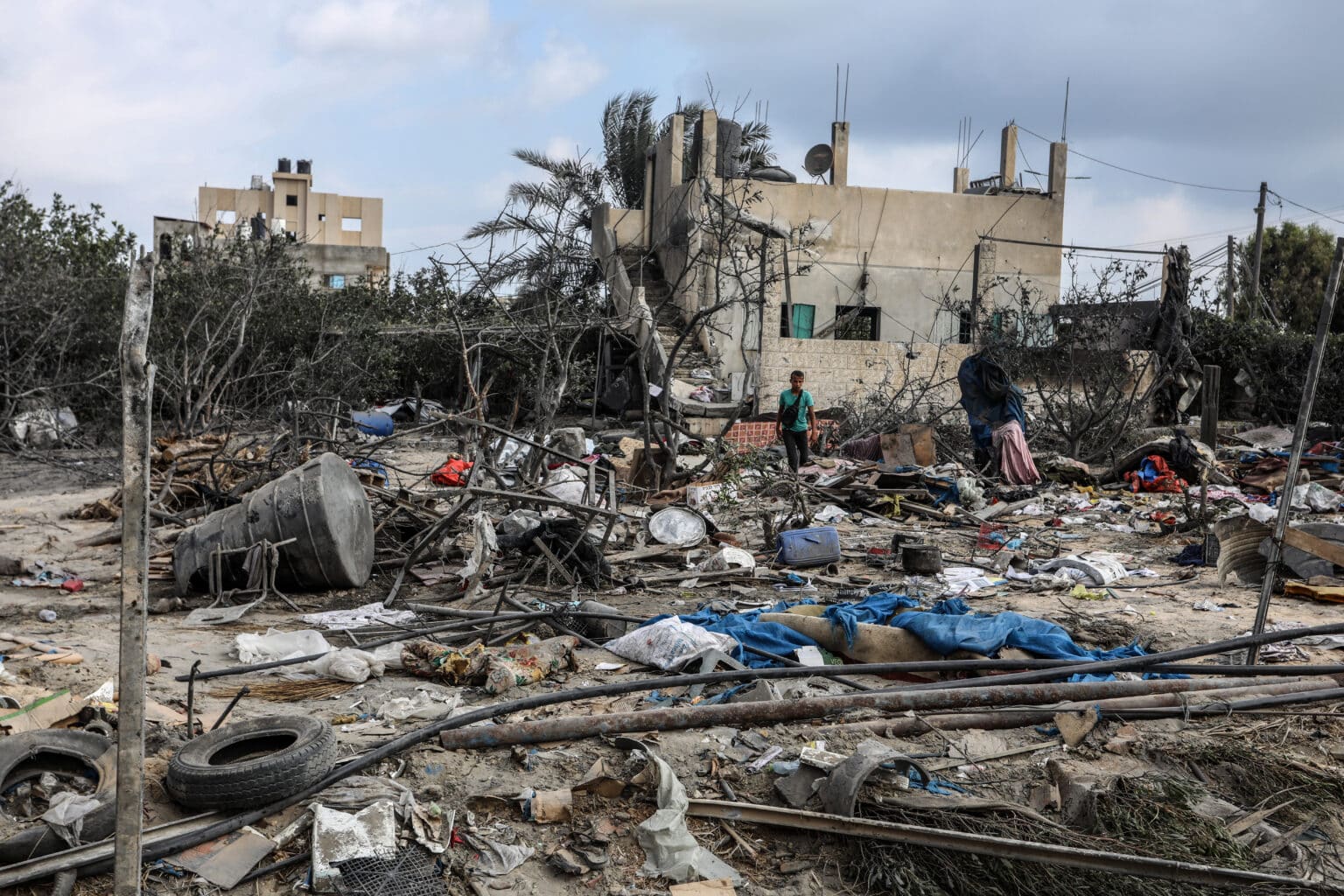
The escalation has only intensified since then, and according to data compiled by international agencies and Gaza health services, more than 40,000 Palestinians have lost their lives since the start of the war, a large proportion of whom are women and children. Israeli bombing has devastated entire neighborhoods, destroying hospitals, schools, and vital infrastructure.
The United Nations also estimates that more than 70% of the Gaza population has been displaced within the territory, often in extreme conditions. In some areas, access to drinking water and electricity remains virtually non-existent, and humanitarian agencies warn of the risk of widespread famine.
According to World Bank estimates, rebuilding the Gaza Strip could cost more than $50 billion and take more than a decade. The needs go far beyond simple rehousing: water and sanitation networks, hospitals, and universities, among other things, must be rebuilt. In addition, international aid remains blocked by security conditions and political disagreements over the future management of the territory.
A political turning point for Israel and the region
In Israel, Benjamin Netanyahu‘s government has emerged from this war deeply weakened. The security failures that allowed the Hamas attack to take place have caused an unprecedented crisis of confidence. Large demonstrations have once again rocked the country, demanding accountability and the immediate release of hostages. While the prime minister has maintained his goal of destroying Hamas before any lasting truce, some now call for a political solution, believing that total military victory is illusory.
The conflict has also reshuffled the regional deck. The normalization agreements between Israel and several Arab countries have been put to the test. Saudi Arabia, which was preparing to formalize a historic rapprochement, has frozen talks.
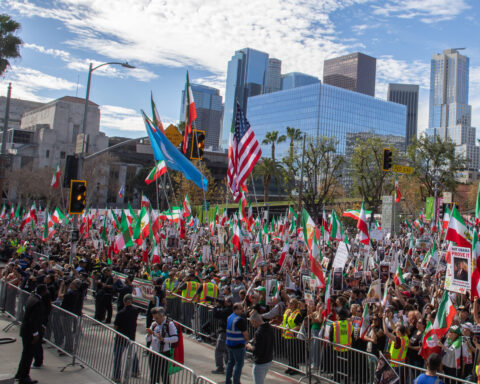
At the same time, Iran and its allies, ranging from the Lebanese Hezbollah to pro-Iranian militias in Syria and Iraq, have increased their influence and stepped up skirmishes with Israel. The war in Gaza has thus taken on the appearance of a proxy conflict, against a backdrop of regional rivalries.
The symbol of diplomacy at an end
On the ground, humanitarian efforts are struggling to keep up. The Rafah crossing, the main entry point for aid into Gaza, has been closed or restricted for long periods. International convoys face logistical and political obstacles. The UN has denounced a “total collapse of essential services” and a “man-made disaster.” Several humanitarian officials have left their posts, citing the impossibility of working in such unstable conditions.
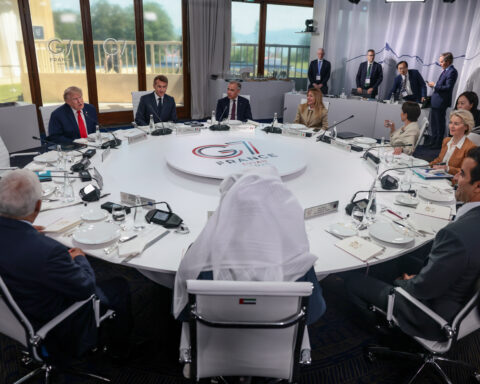
Internationally, positions have hardened : Washington, Israel’s staunch ally, has continued to provide military and diplomatic support, while pressing Tel Aviv to accept humanitarian truces. The European Union, divided between solidarity with Israel and outrage at civilian suffering, has struggled to speak with one voice. Arab capitals, for their part, oscillated between vehement denunciation and strategic caution.
On the judicial front, in the spring of 2024, the International Criminal Court announced the opening of investigations into alleged crimes committed by both Hamas and Israeli forces. The judges confirmed their jurisdiction over Palestinian territory, a decision welcomed by NGOs but rejected by the Israeli government, which sees it as a “politicization” of international justice. These lengthy and complex proceedings add a new judicial dimension to a conflict already saturated with human tragedy.
An uncertain future
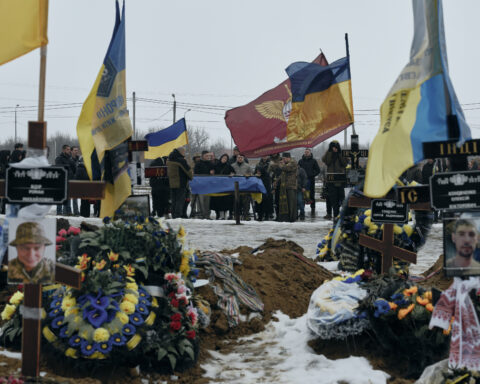
Two years on, the psychological wounds remain deep : Israeli society remains divided between hardliners and those who advocate de-escalation. In Gaza, entire generations of children are growing up amid the rubble. Accounts of October 7 and the war that followed fuel irreconcilable memories: for some, the defense of a besieged state ; for others, the survival of a bombed-out people.
Today, on the anniversary of the attack, a new round of negotiations is tentatively resuming under the auspices of Qatar, Egypt, and the United States. The goal is to achieve a lasting ceasefire and a comprehensive exchange of hostages for prisoners.
Nevertheless, the prospects remain fragile. The reconstruction of Gaza, like political reconciliation between Palestinians, depends on a balance between security and mutual recognition that has yet to be found.
Read also > How the Israel question is tearing American universities apart
Featured photo : © Getty Images