





We knew slow travel, slow fashion and slow living. Now let’s move to Slow TV. Television channels rely on the broadcasting of daily or natural events in real time and continuously. Dreamlike landscapes, life of animals, journey of a train… A trend that capitalizes on contemplation.
Exit the continuous news channels, the fast-paced games and the noisy talk shows. While television is entering a decisive phase between the loss of interest of young people in the small screen and more mature generations still used to turn on the television, the mass of existing programs continues to make it an important entertainment channel. If hundreds of varied contents coexist, a very particular phenomenon takes the opposite side of this television overabundance and Netflix-style all-you-can-eat buffet: the slow TV.
Television contemplation
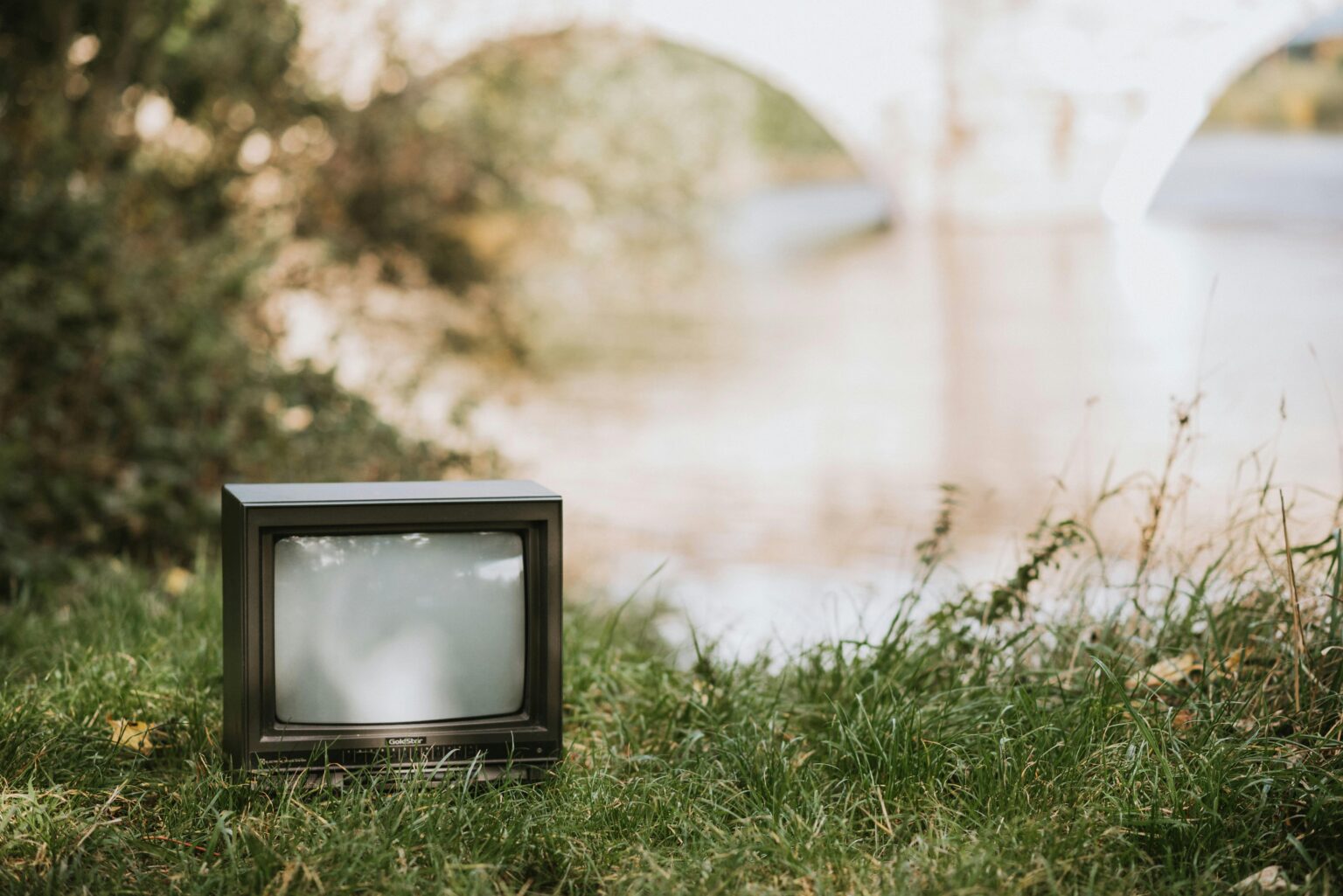
Slow TV refers to so-called contemplative television channels. These offer an immersive and soothing experience by broadcasting daily or natural events in real time, without narration or editing. For several hours, even 24 hours a day, these channels present landscapes, animals in their natural environment or even particular trips. Always in a mantra of gentleness, meditative observation and reverie.
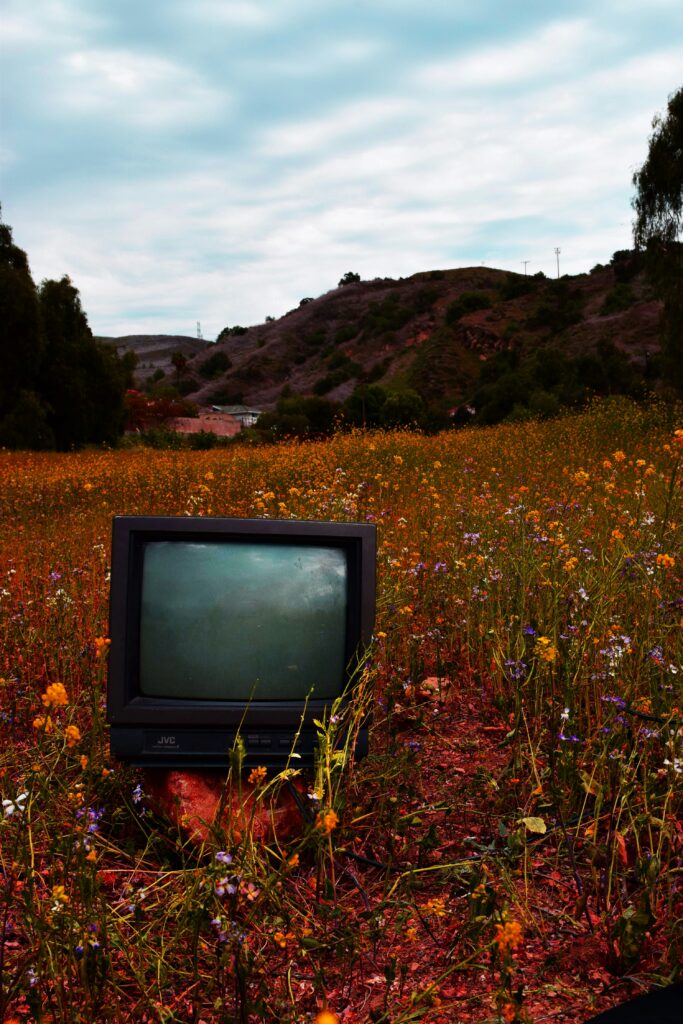
“Slow TV” is a long-term concept, where television formats are very timed and designed for short programming. It spreads over several hours, several weeks, even several months. […] The ‘slow TV’ is without a script, without a scenario, without narration and takes the form of a device. We place cameras, we make a sequence shot without knowing exactly what is going to happen,’ explains Barbara Laborde, researcher, lecturer at the Sorbonne Nouvelle university and expert in television and media history, in an interview for RFI.
From Norway to the world
According to the expert, slow TV originated on Norwegian television with a train journey between Bergen and Oslo. The very first slow TV program, or sakte-TV in Norwegian, was broadcast in 2009 on NRK (Norwegian Broadcasting Corporation), the public television channel. Filmed in the summer, the program offered an uninterrupted seven-hour experience. “A camera was placed on the front of the locomotive and we watched it roll along the tracks for the entire journey.” The program was a huge success, with 176,000 people tuning in and 1.2 million people watching at least once, representing 20% of the Swedish population.
Since then, several channels have adopted this format. In Norway, NRK has broadcast, among other things, a five-day cruise along the Norwegian coast. In Sweden, the migration of moose was shown continuously for three weeks on SVT (Sveriges Television).
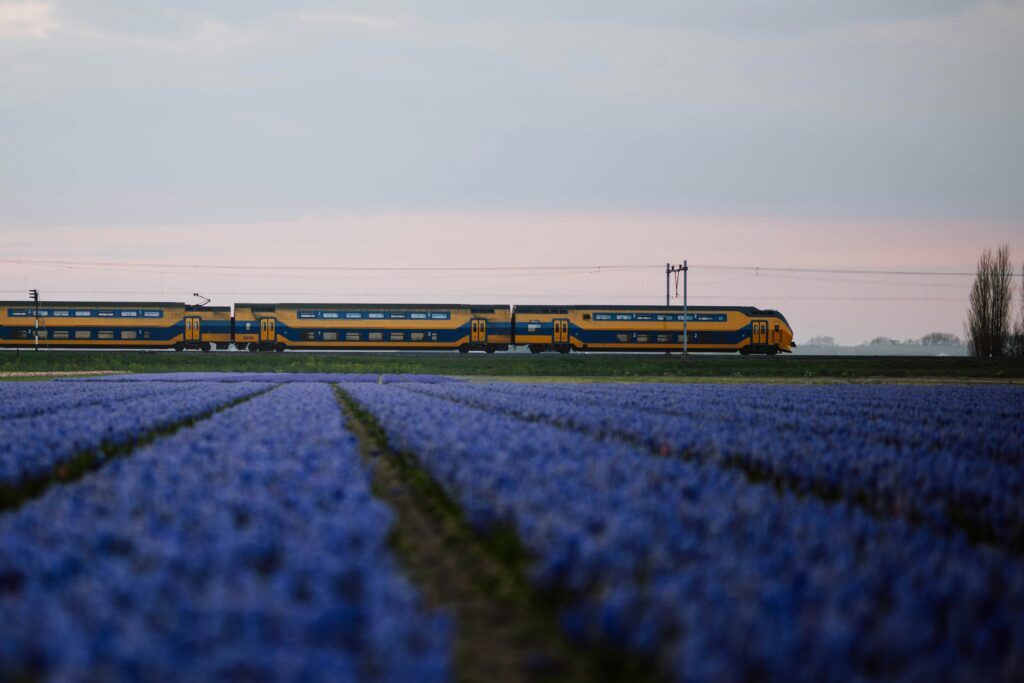
The BBC in the UK launched programmes like All Aboard! , a train journey across the country; The Beauty of Maps, an exploration of ancient maps; or even The Secret Life of the Zoo, an immersion in the daily life of the animals at the Chester Zoo. Also across the channel, ITV aired Unwind with ITV, an ambient programming including images of peaceful landscapes and animated graphics, accompanied by soft music. Across the Atlantic, in the United States, Discovery+ offers a series of immersive videos under the label Slow TV Immersions, including a train ride through Norway and northern Canada and an observation of the auroras borealis.
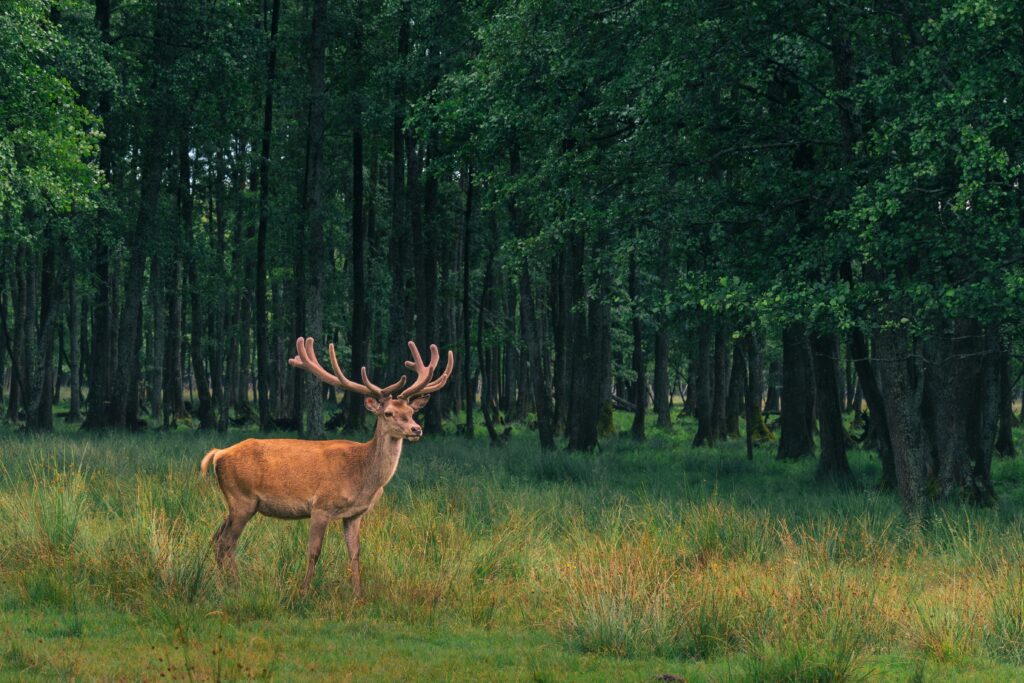
In France, IMEARTH is a television channel that unveils images and visual and sound atmospheres, without voiceovers or narration, around nature, heritage and travel. From September 8, France 3 Paris Île-de-France has also been part of the trend with “Le brame du cerf” (the bellowing of deer), a three-week program that broadcasts 24/7 the natural phenomenon of the stag’s slab from the Espace Rambouillet, with seven immersive cameras.
Reach the public adept of slow living
Slow TV targets an audience that intends to take time in a hectic daily life. « There is an overagitation, an overexcitement, an overdose of sounds and images. For a TV set that lasts one hour, on the internet you can find small pieces encapsulated independently of each other to watch them over a very short time. It’s the current television frenzy. The ‘slow TV’ comes to take the opposite view and say ‘no, television broadcasting can also be something else’. Slow TV has the virtue of making viewers rethink time, the temporality of television says Barbara Laborde.
“We forget to be fair in contemplation, in a passivity with respect to time. That’s what makes ‘slow TV’ quite successful. Do I want to always be in the frenzy of every minute of my time? It also goes in the direction of a flourishing industry around well-being. All the speeches about [the interest in] doing yoga, meditation, relaxing… We have seen to what extent technical progress accelerates time, accelerates the possibilities for managing our daily lives and yet, we often want to back down, to settle down, to breathe…
The trend is therefore part of a global movement to slow down, rest your senses and Carpe Diem or “seize the day”. A new quest for happiness and well-being against the current of our societies of acceleration, immediacy, and zapping.
Read also : The “No Kids” trend: when hotels close their doors to children
Featured photo : © Unsplash