

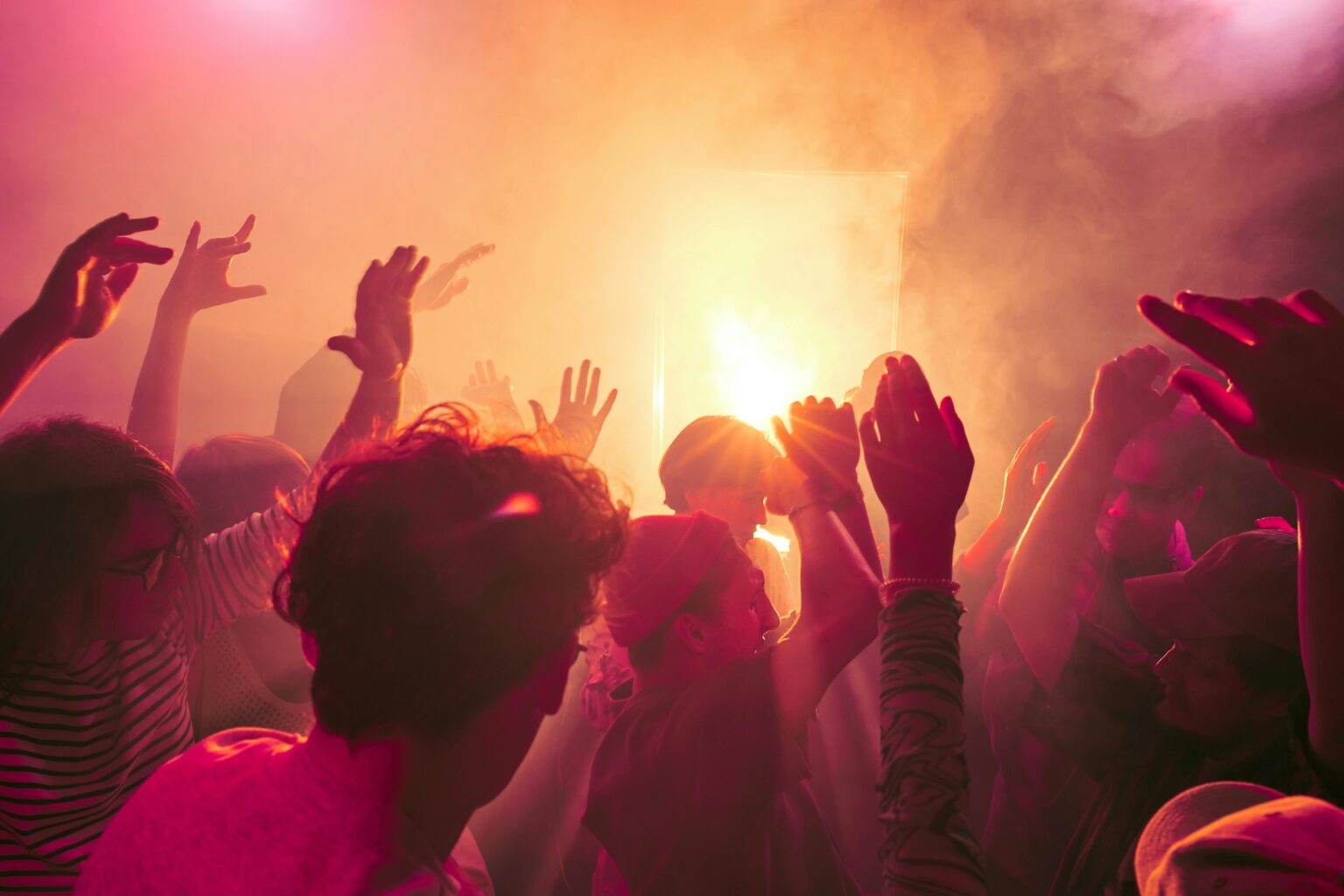




For the past few years, a discreet yet revealing phenomenon has been taking hold in major cities: soft clubbing. Far from wild nights and packed dancefloors, this new way of partying offers an experience that is gentler, more mindful, and above all more respectful of oneself.
Gone are the parties lasting until 6 a.m., heavily fueled by alcohol and gradually fading into a blur as the hours pass. Less attracted to this uninhibited way of having fun, younger generations are seeking to reinvent partying—without giving it up. Gen Z keeps the traditional markers of celebration: dancing, socializing, listening to music… but in a context where alcohol, frenzy, and noise no longer set the tempo.
Hybrid Party Spaces
In the world of soft clubbing, events sometimes begin first thing in the morning, slip into the afternoon, or end before midnight. Cafés transform themselves: tables are pushed aside, DJ sets are installed, lights are turned on. Fans of “morning parties” dance in broad daylight and start their day with a 2.0 celebration.
Other hybrid venues turn into temporary festive spaces, such as yoga studios, art galleries, and rooftops. The atmosphere is calmer: dim lighting, moderate sound levels, warm décor. People settle in easily to chat, dance without pressure, or simply enjoy the moment. Karaoke bars and concept stores also turn into party destinations. Schedules shift too, with after-work gatherings becoming full evenings in themselves. One might also think of sports communities that host small celebrations after a running session, with fresh drinks and energizing snacks.
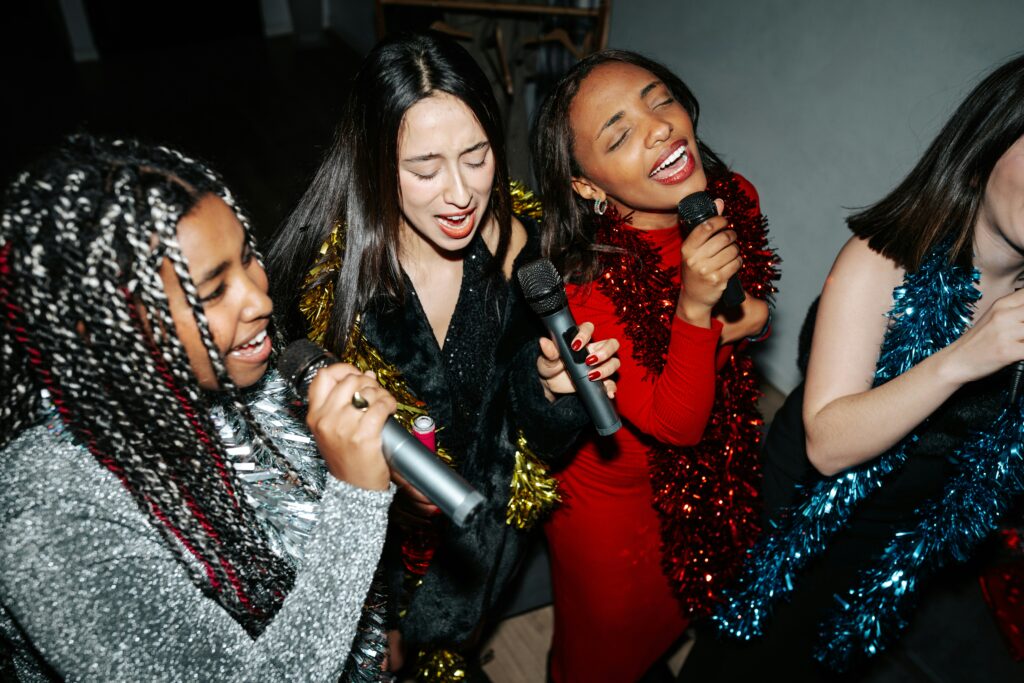
In a world saturated with digital connections, young people seek moments that are more real, more intimate, and less codified than those offered by traditional clubbing. Large nightclubs – seen by some as intimidating or too focused on social performance – are giving way to more inclusive, reassuring spaces where everyone can find their place. Partying becomes a way to connect, not to get lost.
Well-being: Without Alcohol, the Party Gets Better
This shift toward gentler partying is no coincidence: it reflects the evolving expectations of a new generation. Gen Z, particularly attentive to mental and physical health, is rethinking how it consumes and socializes. For many, partying should no longer be a destructive outlet but an authentic source of pleasure.
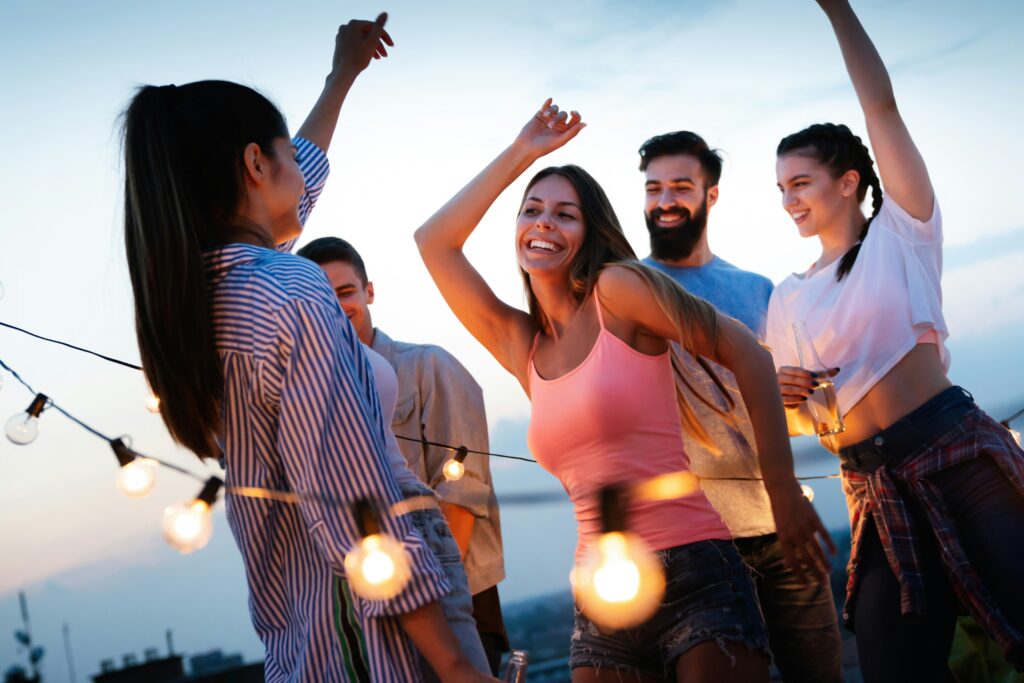
The “sober curious” movement, which encourages voluntarily reducing alcohol consumption without advocating total abstinence, fits perfectly into this trend. It supports a wider shift toward valuing clarity, quality sleep, and a healthier relationship with one’s body.
Sobriety is not a rule here, but rather a space for exploration. According to a 2025 survey by C10 × NielsenIQ conducted in France among 5,000 respondents, 69% of 18–34-year-olds “practice zebra-stripping”—the idea of alternating between alcoholic and non-alcoholic (or low-alcohol) drinks during nights out.
Kombucha, teas, coffees, and mocktails often outweigh shots and sugary cocktails. The goal is not to restrict, but to allow a night that ends without a hangover, without losing control, and without forgetting the evening altogether. Alcohol-free or low-alcohol drinks are also experiencing significant growth. Across 10 key markets, the “No Lo” (No Alcohol, Low Alcohol) category is expected to grow by 4% in volume per year through 2028, according to research from the International Wine and Spirits Research.
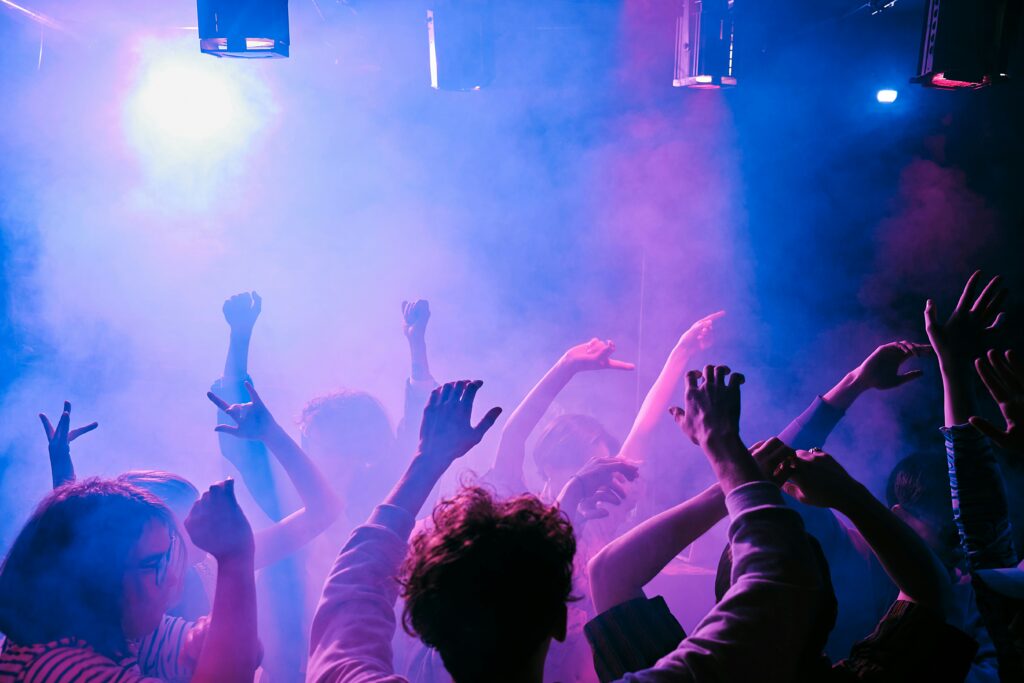
This movement reveals a profound transformation of nightlife culture. Partying is no longer just a moment of excess but a field of social experimentation. Softer, more human, and perhaps more sustainable, the wave of soft clubbing may well reshape how an entire generation imagines the pleasure of going out: a celebration that takes care of you while remaining fun.
Read also : Celebrities Who Launched Their own Wine and Spirits Brands
Featured photo : Unsplash