





Once a month, Luxus Magazine sets its sights on a destination in France or elsewhere to discover the most elegant spots – all tried and tested and carefully selected. Characterful hotels, exquisite restaurants, unique boutiques, cultural getaways… Our guide serves as a treasure trove for discerning travellers, offering essential insights. After Saint Barthélemy, we head to Saint-Jean-de-Luz and its surroundings.
🔑 Historical key: Royal influence
Formerly a whaling and then cod fishing port, Saint-Jean-de-Luz has developed over the centuries, blending maritime traditions with royal influences. Long exposed to the onslaught of the ocean, the town gradually tamed its waters thanks to the construction of sea walls in the 18th century, creating what is now one of the few sheltered bays on the Basque coast.
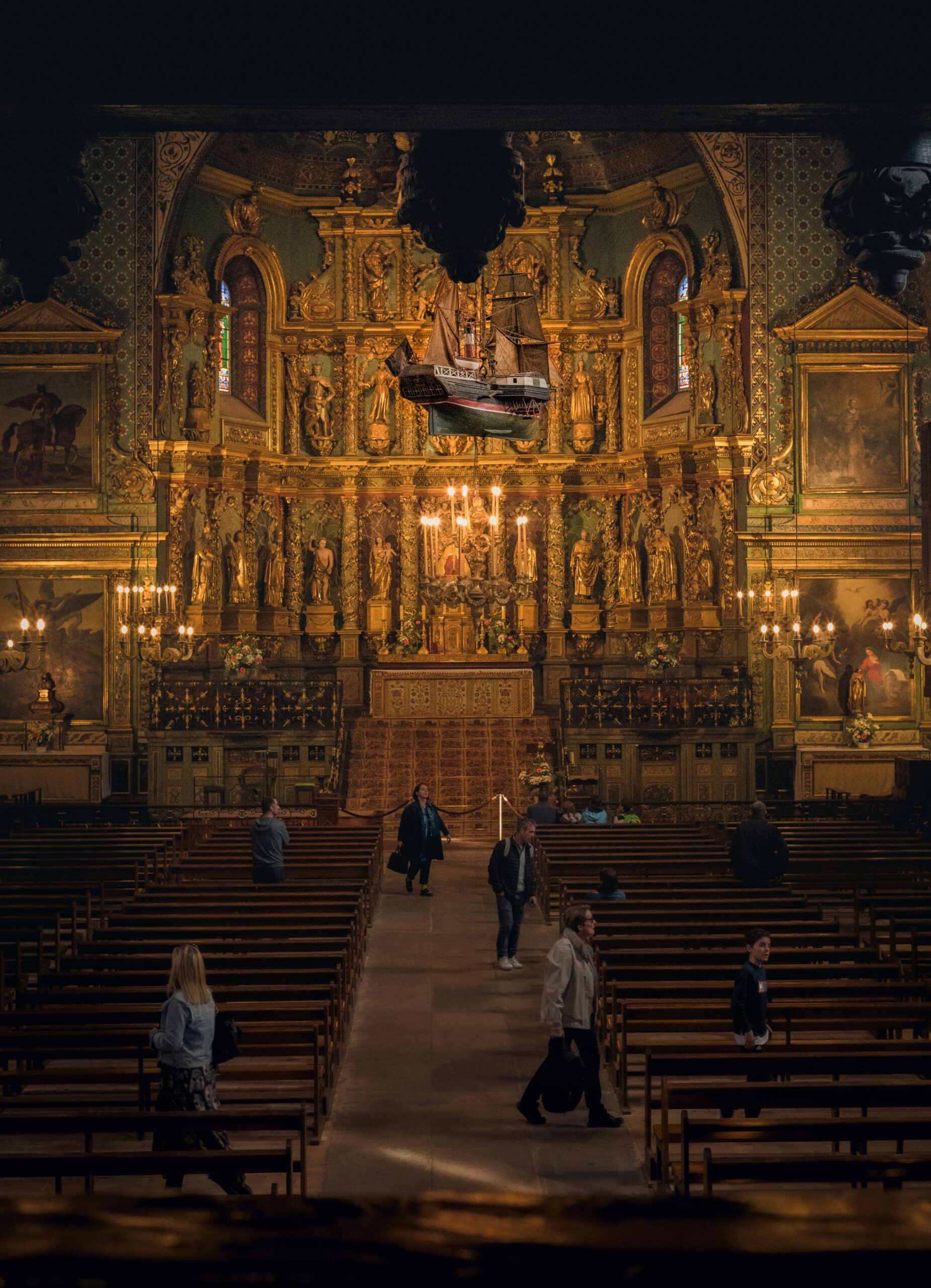
Its destiny changed in 1660 when Louis XIV married Maria Theresa of Austria there in the Church of Saint John the Baptist. This event, which sealed the peace between France and Spain following the Treaty of the Pyrenees, secured the town’s place in history for the long term. Tradition has it, moreover, that the gate used by the king on the day of the ceremony was subsequently bricked up, so that no one could ever match it.
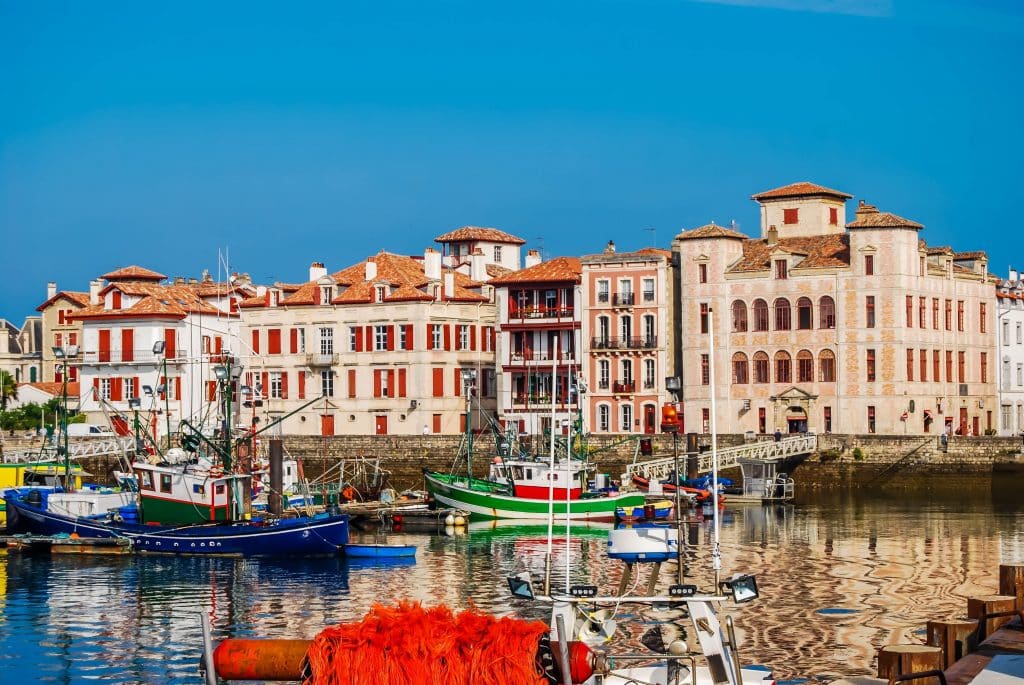
Even today, Saint-Jean-de-Luz retains traces of this prestigious past, with its shipowners’ houses, ancient alleyways and facades steeped in history, offering visitors a true journey back in time.
🔑 Key to a good night’s sleep: La Réserve, one of the jewels of the Basque coast
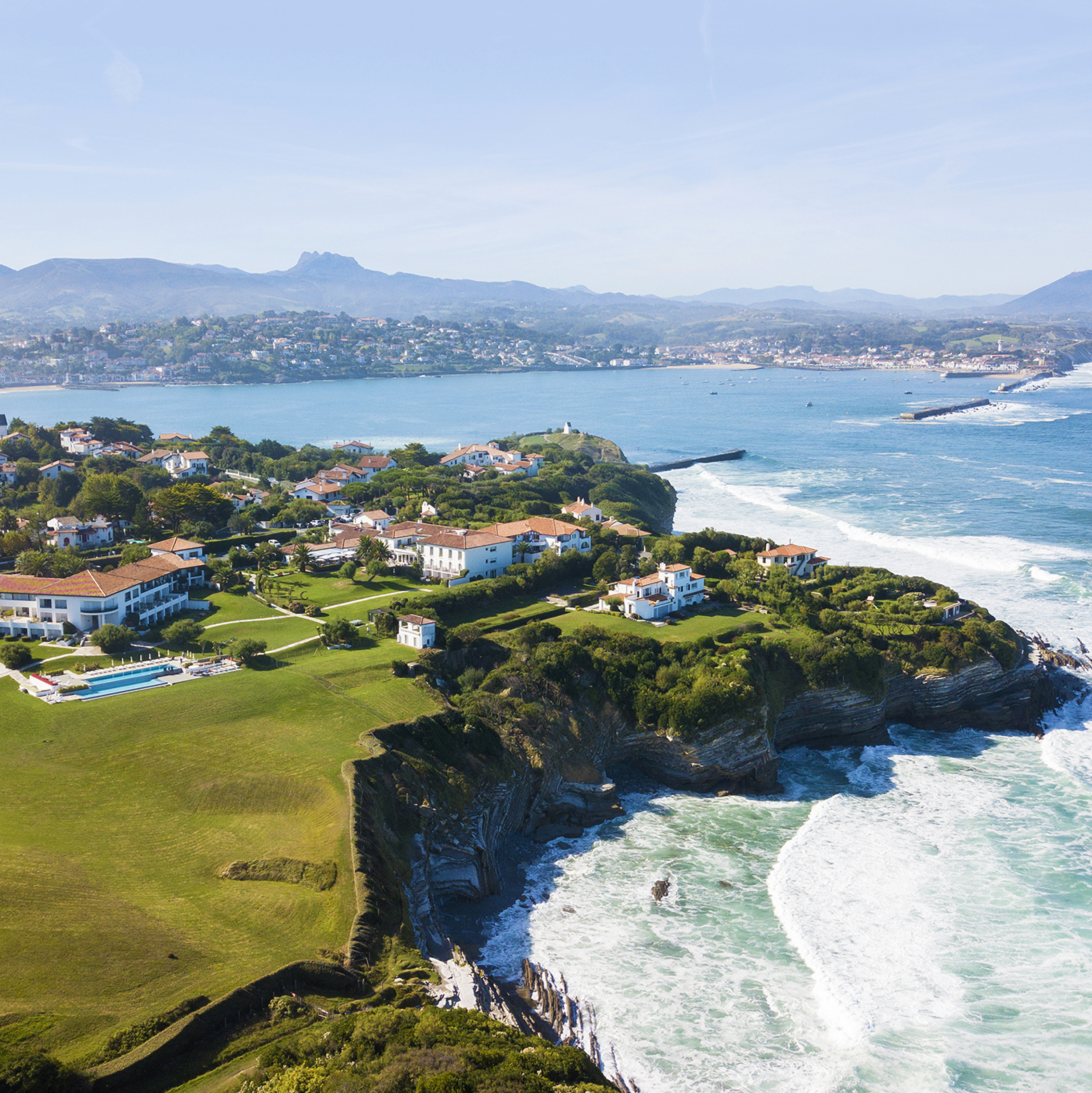
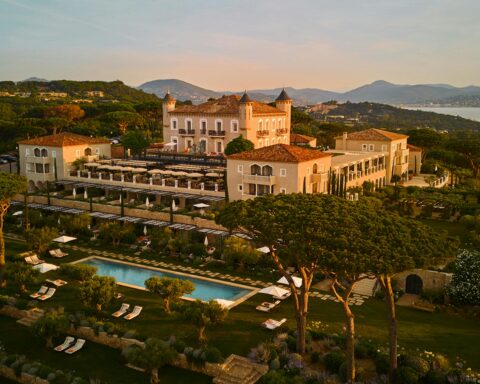
Perched overlooking the ocean, La Réserve Saint-Jean-de-Luz offers exceptional views, between Saint-Jean-de-Luz and Biarritz. Nestled in a three-hectare wooded park, the hotel charms with its peaceful atmosphere and understated elegance: an infinity pool, gardens, wellness treatments and sporting activities (coastal walks, tennis, Pilates, yoga) punctuate the days. In summer, sunsets are accompanied by open-air music sessions.
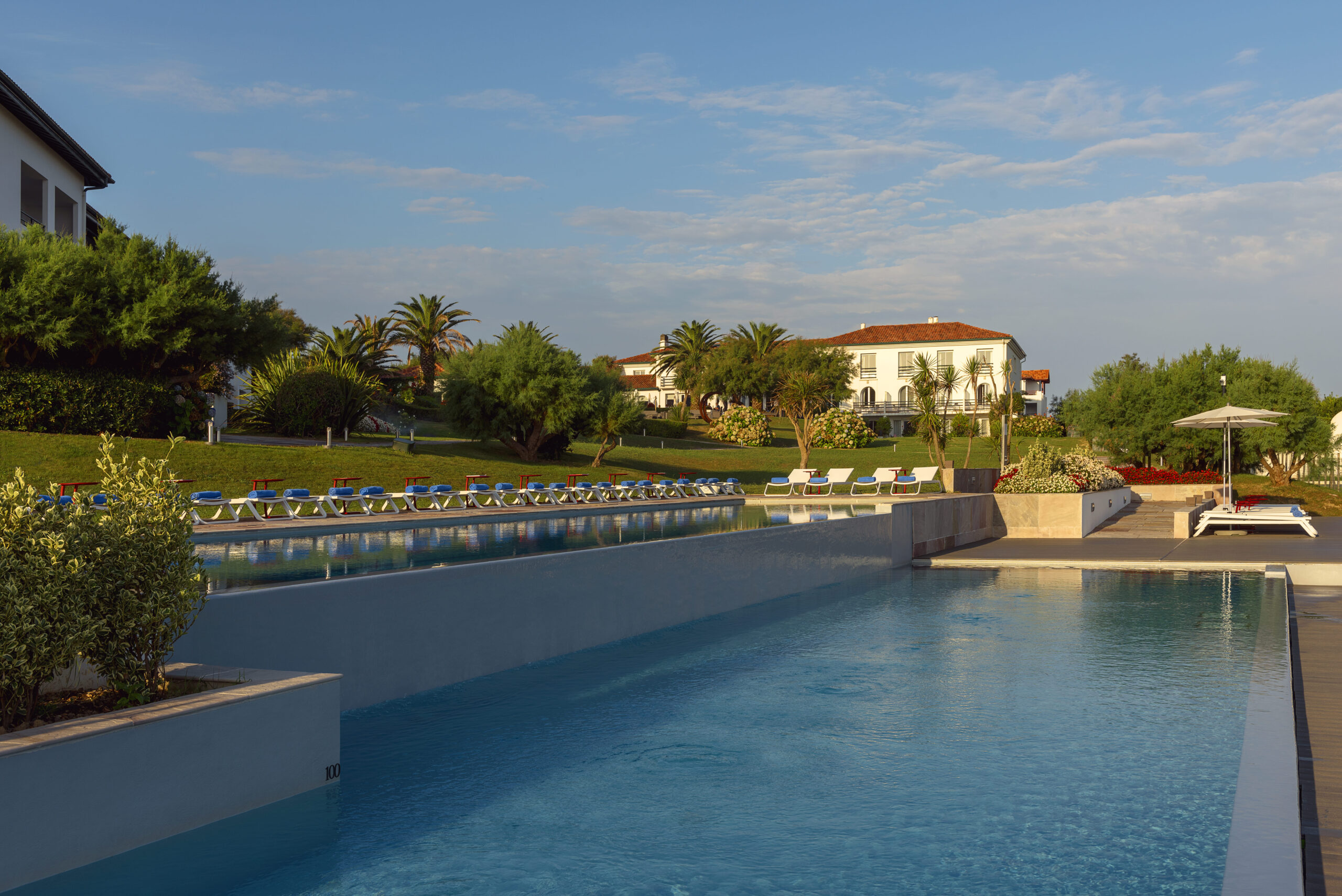
To extend the experience, self-catering apartments (the Residence) allow guests to recreate a real home-from-home feel.
Supporting local producers, the hotel organises a large market in its gardens every year (next session: 4 September 2026).
🔑 Architectural highlight of the guesthouse: Villa Ongizatea
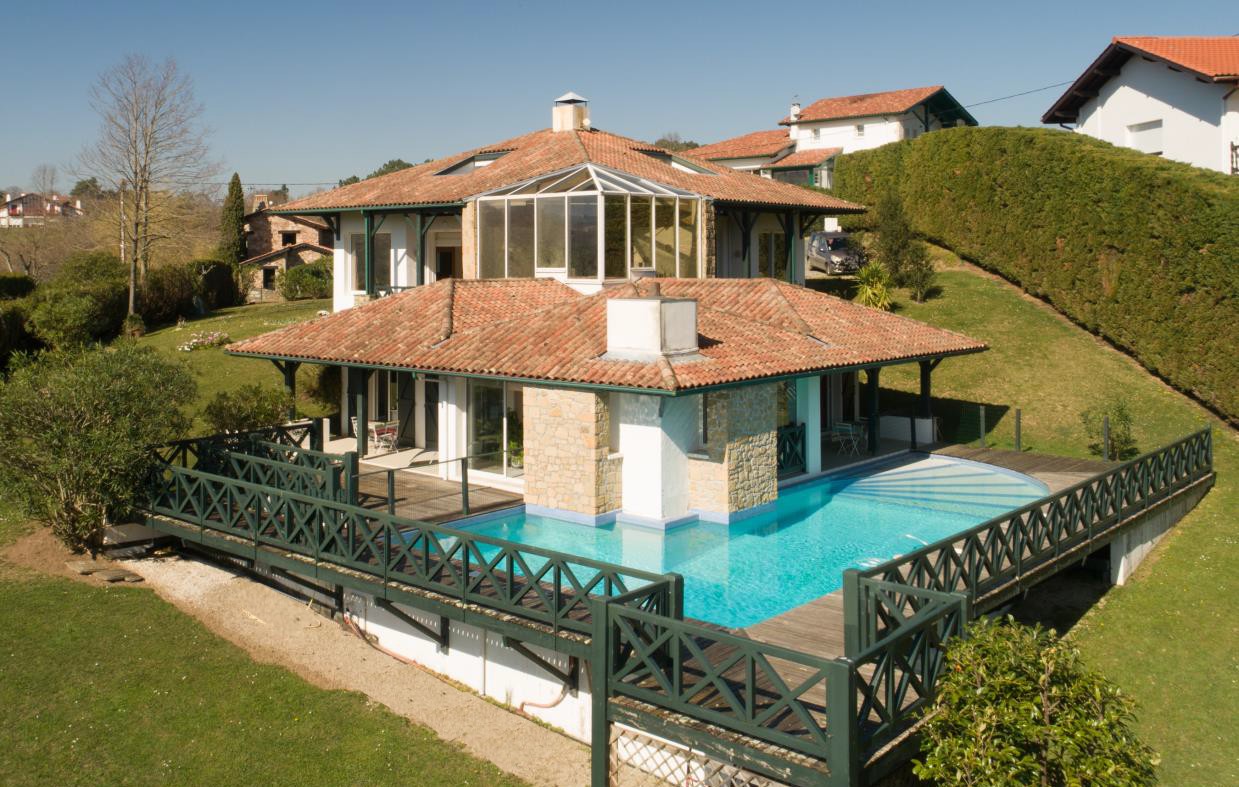
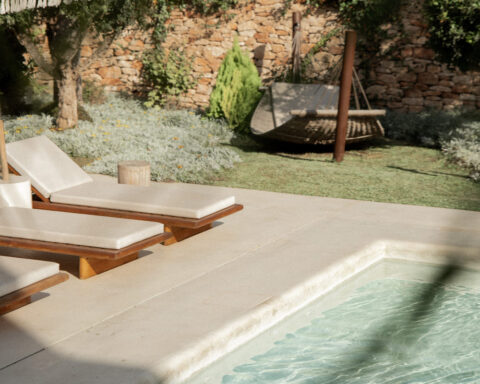
Just 10 minutes from Saint-Jean-de-Luz, the surfing beaches, renowned golf courses, hiking trails and the Spanish border, the 5-star Villa Ongizatea (meaning “well-being” in Basque) offers a beautiful balance between nature, elegance and the Basque art of living. Nestled in a peaceful, unspoilt setting, this architect-designed villa with its large bay windows invites you to truly unwind. It features several living areas: a garden, a swimming pool and terraces with breathtaking views of La Rhune. It is also possible to rent the entire house or just part of it. The owner – a certified yoga teacher – regularly organises yoga retreats here in spring and autumn for a complete escape.
🔑 Key to the must-see spot: Place Louis XIV
The beating heart of the town, Place Louis XIV embodies the spirit of La Luz. Lined with traditional façades, it recalls the visit of the Sun King, who stayed here before his wedding.
🔑 Key to the panoramic view: the La Rhune rack railway
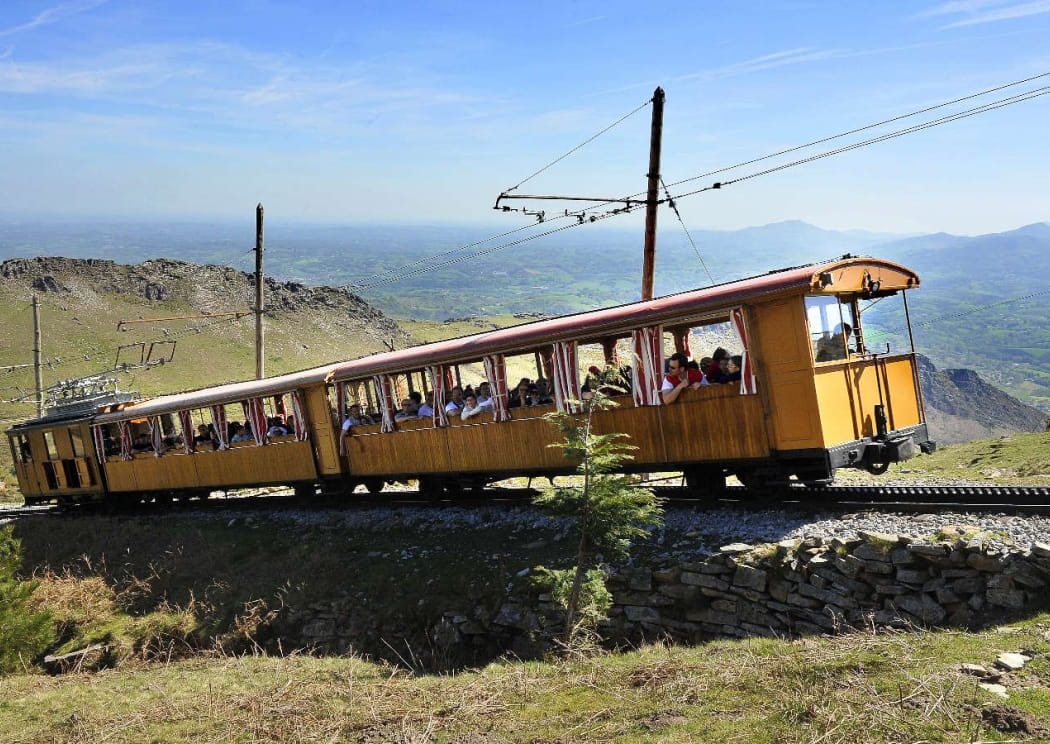
Aboard the legendary La Rhune rack railway, which entered service in 1924, the ascent is a gentle one, like a journey suspended in time. Born of a desire to make this iconic summit accessible without spoiling its beauty, this Swiss-inspired train has captivated an elegant clientele since its opening, including Eugénie de Montijo, a great lover of the region. As the train climbs, the landscapes gradually unfold, between green hills and glimpses of the ocean, until, at the summit, a spectacular panorama of the Basque coast and the Pyrenees mountain range is revealed.
For walking enthusiasts, it is also possible to reach the summit on foot in around three hours, following paths that wind through unspoilt, authentic countryside.
🔑 Key to the region’s architectural style: half-timbering
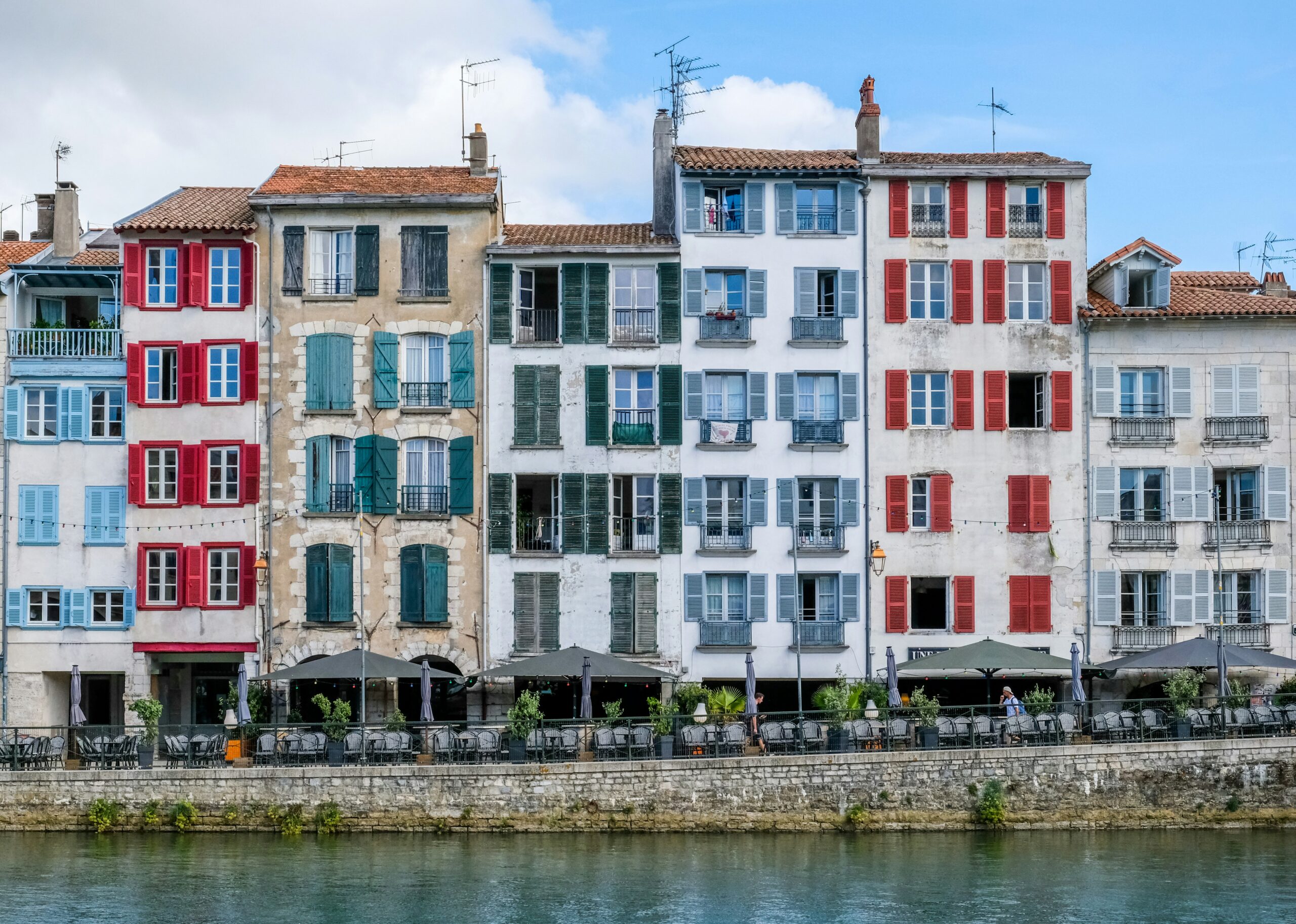
In the heart of Saint-Jean-de-Luz and its surroundings, the red or green half-timbered houses, set against whitewashed façades, immediately embody the Basque identity. These traditional buildings, known as etxe (meaning “house” in Basque), are distinguished by their simple lines, colourful shutters and gently sloping roofs designed to withstand Atlantic winds.
🔑 Key to hiking inland: Maison Joangi in Garazi Uharte
Head into the Basque hinterland, around Garazi-Uharte, for walks amongst the hills and vineyards of Irouléguy. To accompany your walk, the famous makila – a traditional hand-carved walking stick – embodies elegance and local craftsmanship all on its own. Only two families continue to carry on this ancestral craft: the Bergara and Haripuru families.
🔑 Key to the label: Art & History
Designated a City of Art and History, Saint-Jean-de-Luz showcases its heritage through tours and cultural initiatives. On the gastronomic front, the Jokika selection highlights restaurants committed to local, seasonal and locally sourced cuisine.
🔑 Key to lunch at the summit: the Elaia Lounge (Basque for ‘swallow’)
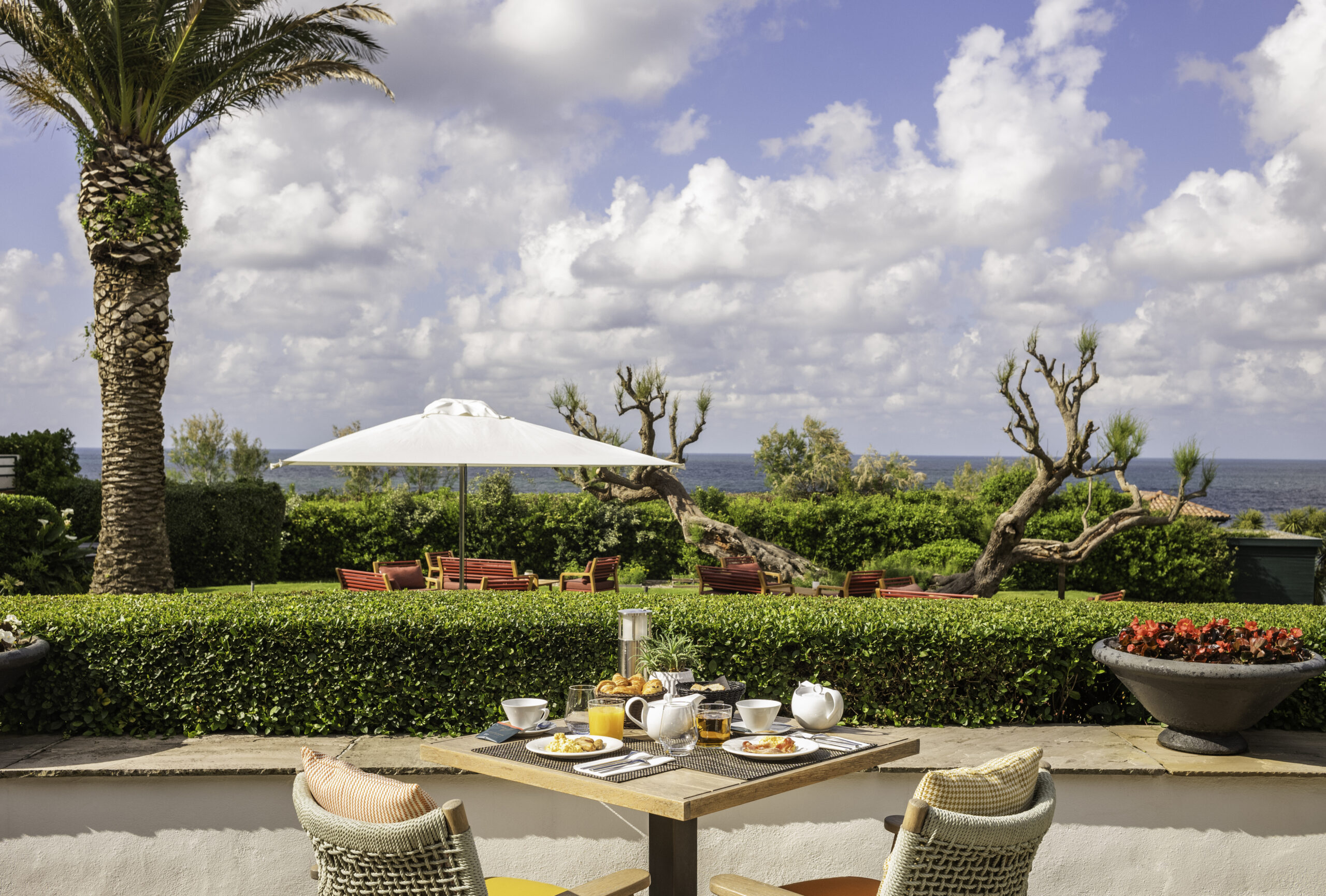
Overlooking the sea, in a relaxed yet refined atmosphere, the cuisine at Chef Bastien Soumoulou’s Elaia Lounge is sunny and generous, combining freshness, sharing and simplicity. He favours a menu featuring seasonal produce sourced from local producers and fishermen. On the menu: thin courgette and feta tart, confit pork loin with piperade, soft bread topped with creamy hummus, crunchy pickles and fresh herbs.
🔑 Key to a successful suitcase on the outward journey
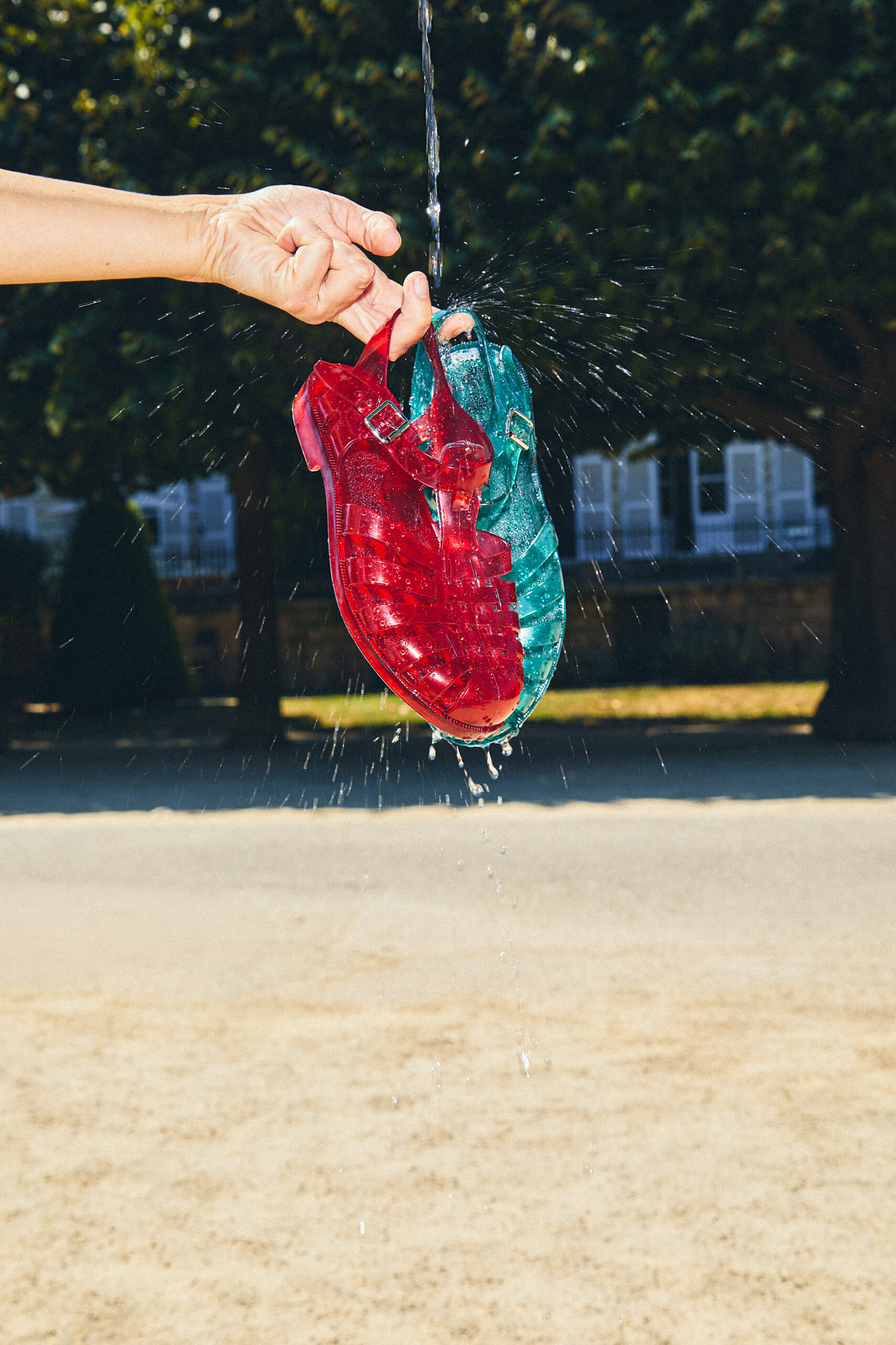
To enjoy the Atlantic in complete peace of mind and to the sound of music, pack a pair of Méduse sandals, some Pier Augé SPF50+ sun cream – a must-have under the Basque sun – and your Jabra Evolve3 75 headphones so you can listen to traditional Basque songs.
🔑 Key to a successful suitcase on the return journey:
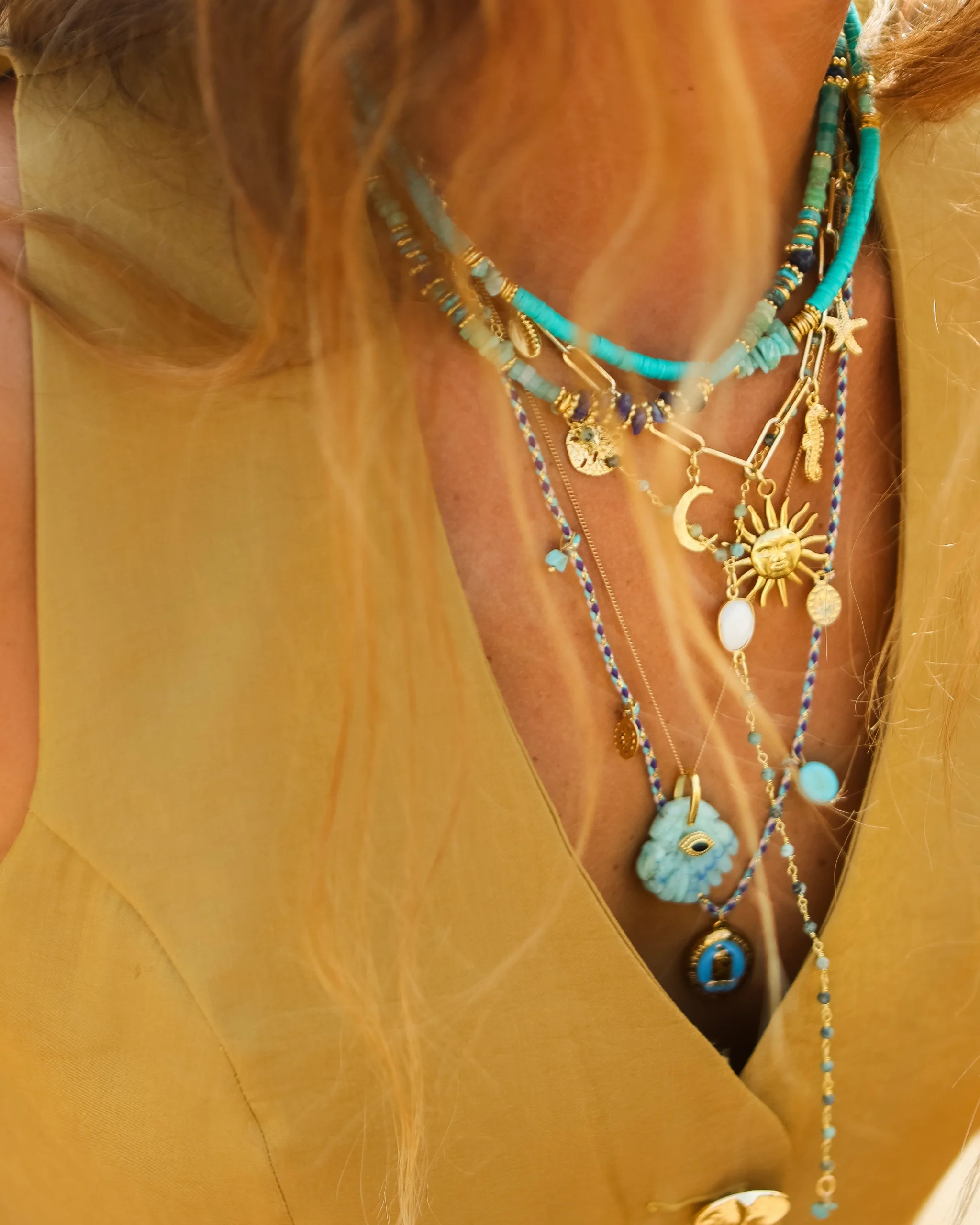
You simply can’t leave without a few regional treasures: Jean-Vier and Lartigue 1910 for exceptional linen with a strong local identity, the Laulhère beret perpetuating ancestral craftsmanship, Goicoechea for pottery whose production is partly based on a unique technique of calibration and rope-turning, the Manufactoum workshop for its timeless bags showcasing the expertise of exceptional local artisans, Bayona for its colourful, handmade espadrilles, and the costume jewellery from the Atelier des Dames, crafted in Saint-Jean-de-Luz.
Slightly bulkier but essential for riders, the Voltaire Group’s saddles are made to measure and will last a lifetime.
🔑 The secret to a successful hamper: the Basque Country’s four must-have AOPs and other local specialities
In your gourmet luggage: Espelette pepper, Irouléguy wines, Kintoa Basque pork and Ossau Iraty sheep’s cheese. Also worth discovering: the artisanal tinned fish from La Conserverie near the port, the underwater-fermented wines from Egiategia, the famous Benat cheeses, macarons from Maison Adam and chocolates from Maison Pariès.
🔑 Artistic highlight: Mathieu James Schmutzler
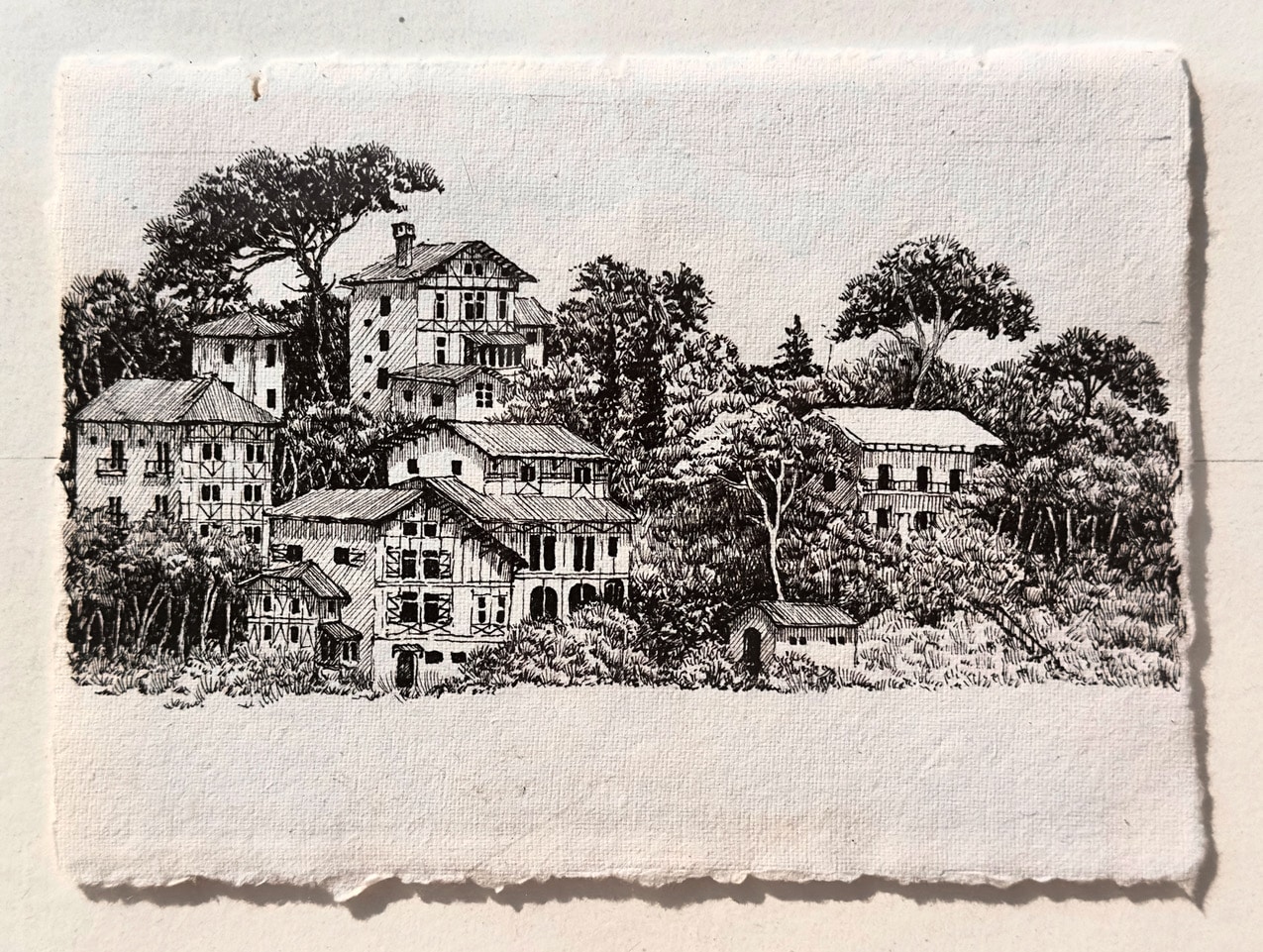
The work of painter and illustrator Mathieu James Schmutzler takes a sensitive and contemporary approach, at the crossroads of art and craftsmanship. Inspired by the nature, materials and landscapes of the Basque Country, he creates a minimalist world where textures, volumes and light interact with subtlety. He also collaborates with local artisans such as the ceramist Franck Sanchez, reflecting a quest for balance between modernity and traditional craftsmanship (unique, handmade pieces). Each piece seems to tell a story, blending regional roots with an artistic vision.
🔑 Icy key: Bargeton
At Bargeton, ice cream is expressed with creativity and character. The flavours, often unexpected — carrot cake, fleur de lait, pineapple-lime-basil or even tonka bean, chestnut cream and caramelised pecans — demonstrate a true sense of daring. A sheep’s milk version will soon be added to the collection.
Behind this establishment, Mathieu and Aurélie Bargeton, who launched their venture around ten years ago, maintain a constant commitment to flavour and quality. Their expertise was recognised in 2019 with the award for best vanilla ice cream.
🔑 Key to the gourmet dinner: Ilura
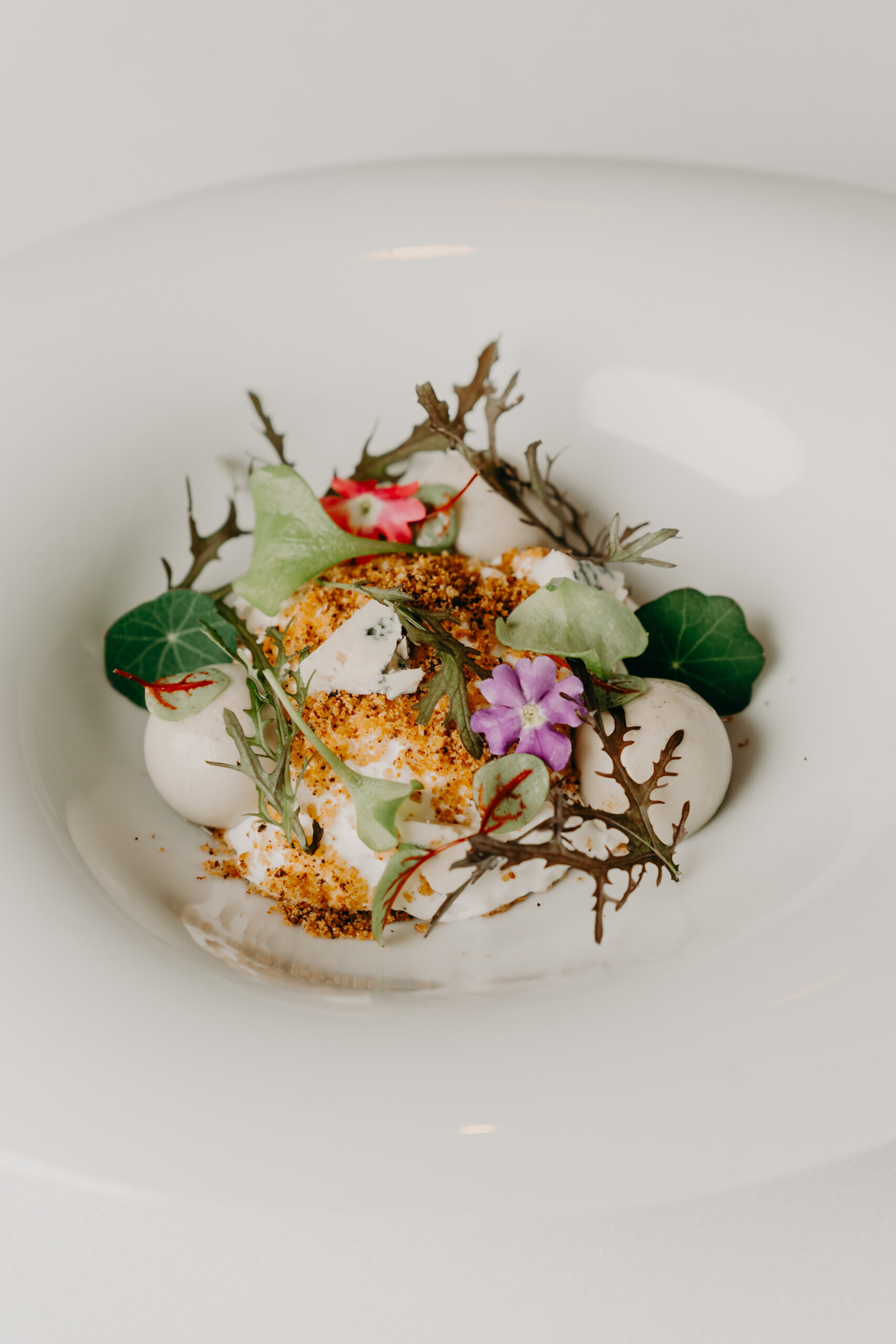
For Bastien Soumoulou, cooking has been a passion since he was a child. Head chef at La Réserve since 2023, he brings a culinary identity that is both simple and refined, which he describes as “a true ode to ingredients, where every plate tells a story of the season, the richness of the local terroir and the passion of the producers”.
This philosophy translates into elegant cuisine that enhances local flavours through bold combinations: Landes duck foie gras elevated by a hint of seaweed, sea bass enhanced by a touch of Kintoa bacon. On a gentler note, Arto Gorria polenta is enveloped in the scent of orange blossom, paving the way for the freshness of candied pomelo accompanied by an orange sorbet.
🔑 The key to a dinner with flavours from elsewhere: Gaua
For Benoit Sarthou, cooking is first and foremost a moment of sharing, “the most sincere expression of love”.
At the helm of Gaua, he creates a unique culinary experience, drawing on Korean, Mexican and Basque influences. Former head chef at Le Moulin d’Ahotze, which held a Michelin star for 17 years, he now creates a free-spirited and inventive cuisine: smoked tarama salata with burnt lemon and Timut pepper, sardine pintxos with smoked oil, charcoal-grilled trout served as a knacki ball, ikejime bluefin tuna tartare with liquorice-flavoured olives, smoked Spanish mussels, or charcoal-grilled artichoke with sheep’s milk curd and wild garlic pecorino.
Further reading:
Basque Country | 2022 | Gallimard Loisirs
Biarritz Basque | 2024 | Assouline
Good to know 💡
The Basque Country buzzes all year round with lively festivals deeply rooted in local culture.
The relay race to promote Basque language classes (Korrika) takes place every two years (in odd-numbered years), in late March/early April, and lasts 10–11 days and nights across the Basque Country.
The Basque schools festival – Herri Urrats – takes place every year in early May and celebrates Basque-language immersion schools (Ikastola). On the programme: concerts, entertainment, fine food and a spirit of conviviality, in a festive, intergenerational atmosphere.
Next stop: Monaco and its surroundings
Read more > An iconic Stopover… Saint Barth
Featured photo: © DR