






Under the blazing sun of the Iberian Peninsula, a silent revolution has taken place: Aragon has become the world’s leading producer of black truffles (Tuber melanosporum). But while this arid land now surpasses Périgord, it finds itself on the front line of global warming. Between cutting-edge irrigation techniques and fragile ecosystems, take a journey to the heart of “the other truffle country” as it attempts to save its black gold.
Aragon, the world capital of black truffles
In the heart of Aragon, in the mountainous provinces of Teruel, Huesca, and Zaragoza, thousands of hectares of truffle fields stretch out. This region has been able to take advantage of its unique terroir: calcareous, well-drained, poor soils, combined with a continental Mediterranean climate—with dry summers and cold winters—ideal conditions for the “mycorrhization” of host trees and the development of black truffles.
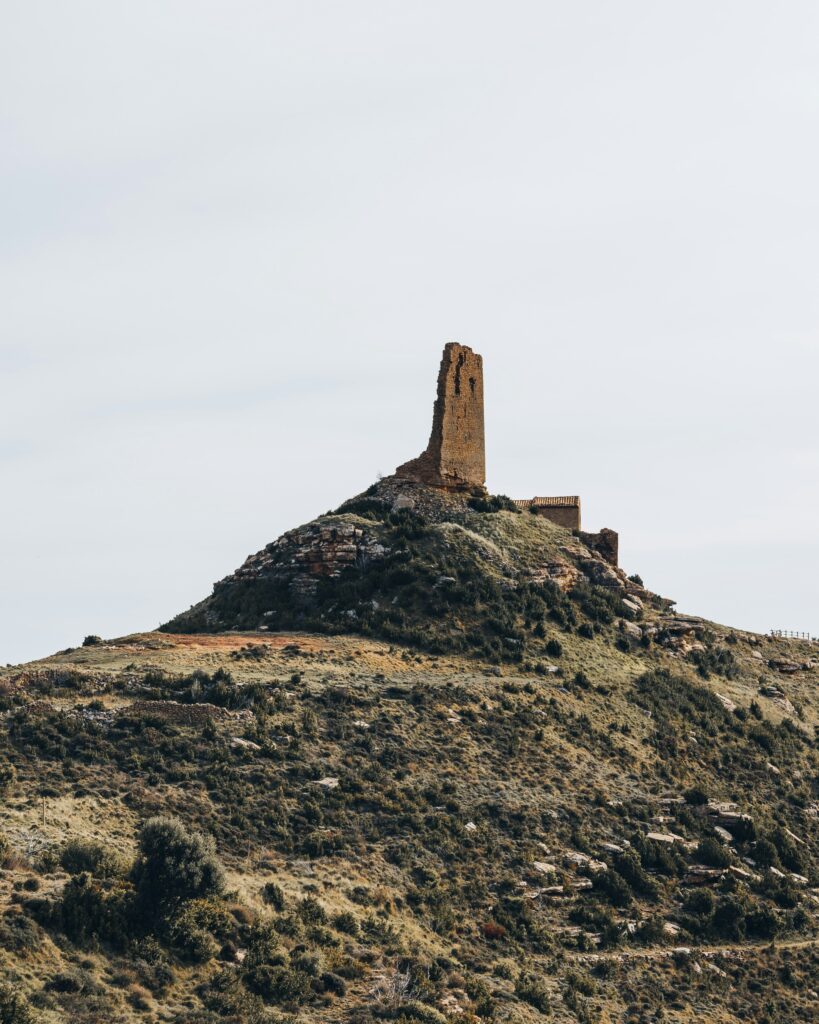
Today, Aragon has several thousand hectares dedicated to truffle farming, accounting for nearly 70% of Spanish production and a significant share of global production. Several sources estimate that the Aragon region accounts for around 20% of global black truffle production and up to 75% of Spanish production. The official season runs from November 15 to March 15. The peak of maturity and aromatic quality is between mid-January and early March, when truffles reach their maximum aroma and flavor, making this the most sought-after period for harvesting and consumption. A truffle generally measures between 3 and 7 cm—sometimes 10 cm—and weighs between 20 and 200 grams.
The town of Sarrión, in the province of Teruel, is considered the “world capital of black truffles.” In this small town of less than two thousand inhabitants, truffles have become a central economic activity: cultivation, export, gastronomic events, and tourism all revolve around this refined delicacy. Every winter, fairs and exhibitions attract producers and chefs who come to celebrate the “black diamond” and strengthen its international reputation.
From an economic standpoint, the Aragonese truffle industry generates significant revenue through exports, particularly to France, Italy, Germany, and the United Kingdom, where demand for black truffles remains high.
Around Aragon: other major truffle-producing regions
France: Périgord and historic terroirs
Although Aragon has grown in importance, France remains an iconic truffle-producing region, particularly thanks to the Périgord (southwest) and certain areas of the Midi. The Mediterranean climate and limestone soils of regions such as Vaucluse, Drôme, and Gard have shaped terroirs renowned for black truffles for centuries.
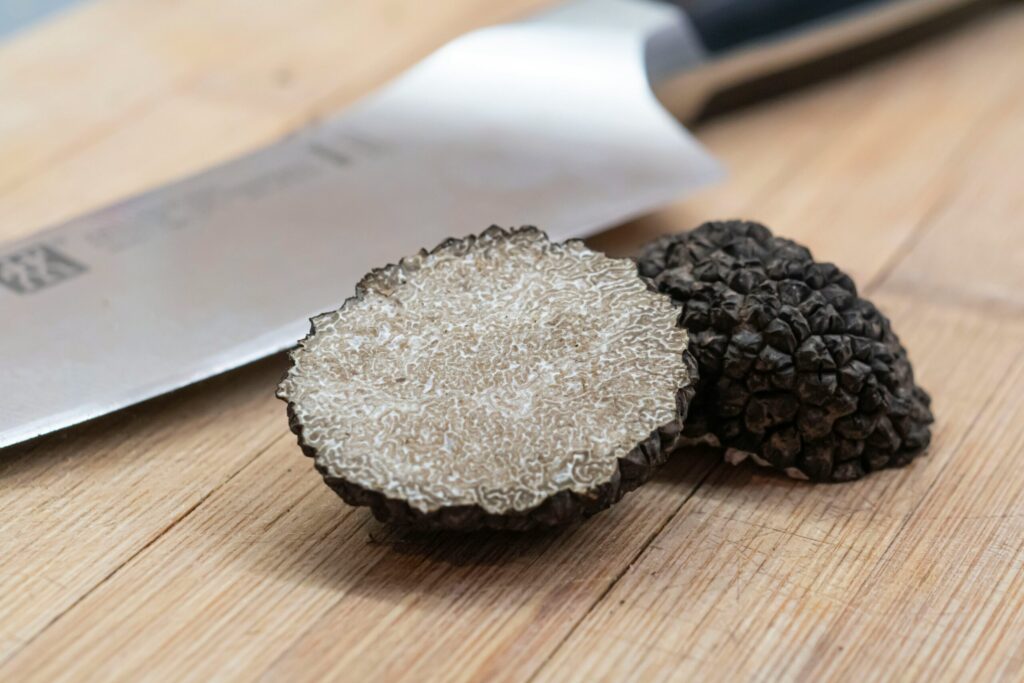
The black truffle of Périgord, or Tuber melanosporum, remains a global gastronomic benchmark, prized for its deep aroma and delicate texture. France is also home to truffle fields of Burgundy truffles (Tuber aestivum), which are less sought-after but culturally significant.
Italy: Alba and the myth of the white truffle
In Italy, Piedmont, around Alba, is famous for its white truffle (Tuber magnatum), one of the rarest and most expensive varieties in the world. It is harvested in the fall and attracts thousands of visitors each year to the Alba International White Truffle Fair, which celebrates this gastronomic gem.
Italy also has a tradition of black truffles and other species, with production spread across various regions such as Umbria, Tuscany, and central-southern Italy.
Other emerging areas
Global warming is shifting boundaries: flourishing plantations are appearing in Eastern European countries, particularly in Hungary and Bulgaria, as well as in the preserved forests of Istria (Croatia). Even more surprisingly, the southern hemisphere has shaken up the gastronomic calendar. Australia, particularly in the Manjimup region, has become a key player since the 1990s with plantations in Tasmania and Western Australia capable of supplying high-quality fresh truffles during the European summer. Chile and South Africa are following suit, taking advantage of climatic conditions similar to those of the Mediterranean basin. Finally, China (Yunnan) is flooding the world market with Tuber indicum, a species that is morphologically similar but with far inferior organoleptic qualities, reminding us that in this new global geography, quantity does not always guarantee culinary excitement.
Trials of black truffle cultivation in the United Kingdom show that global warming is changing favorable areas, allowing this Mediterranean fungus to thrive in more temperate climates than in the past.
The sensory signature: Aragon vs. Périgord and Australia
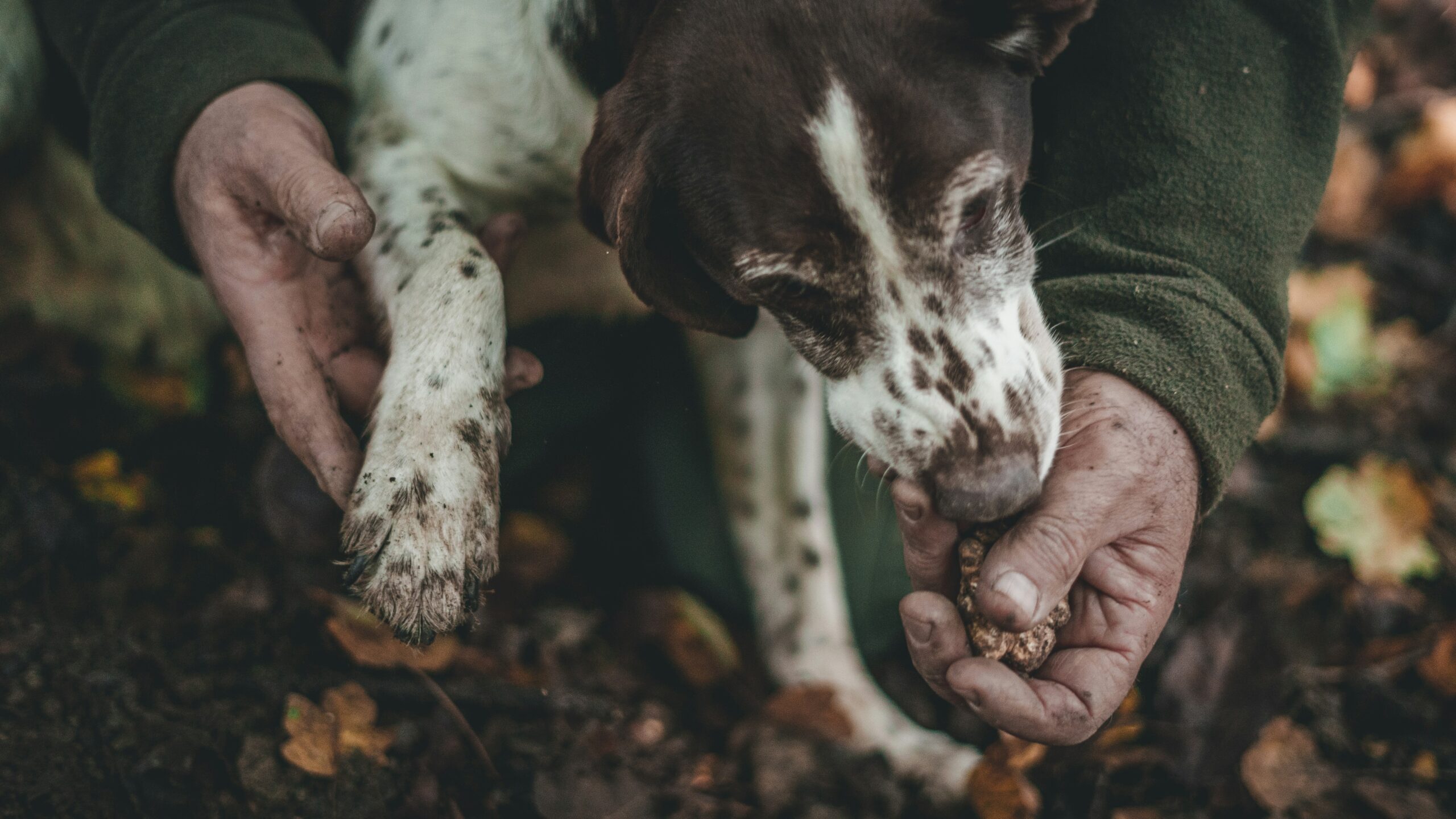
The Aragon truffle is distinguished by its immediate and often more “wild” aromatic power. Due to the high altitude and intense exposure to the Spanish sun, it develops very pronounced notes of damp undergrowth, musk, and sometimes brown butter. Its texture is generally very firm, a characteristic reinforced by the limestone and stony soils of Teruel, which gives it excellent stability when cut. It is a “generous” truffle, ideal for infusions in fatty substances (cream, butter) where it releases its full strength.
In contrast, the truffle from Périgord (France), grown in often more clayey soils and a more temperate climate, plays the subtlety card. It frequently reveals more complex aromas of dried fruits (hazelnut, walnut) and a finish reminiscent of black radish or mild garlic. It is often perceived as more balanced and less “animalistic” than its Iberian cousin.
As for the truffle from Australia, which arrives on our tables in the middle of the European summer, it surprises with its freshness. Grown in often richer and closely monitored soils, it offers impressive consistency. Their flavor is very similar to that of European truffles, but with a more pronounced note of cocoa and fresh earth. The absence of extreme climatic stress (thanks to ultra-controlled irrigation) gives them a consistent roundness, although some purists sometimes criticize them for a slight lack of “character” compared to wild truffles or those grown under water stress in Aragon.
Three factors explain these nuances in taste. The host tree: in Aragon, holm oak (Quercus ilex) is mainly used, as it is more resistant to drought and influences symbiotic exchanges differently from downy oak, which is more common in France. Water stress: a slight lack of water at the end of the cycle can concentrate the aromas of Spanish truffles, much like an old vine gives a more intense wine. Maturity: the cold, dry climate of the Spanish sierras allows for slow maturation, which fixes the sulfur molecules responsible for this heady fragrance.
Global warming: historic areas under threat
Climate plays a fundamental role in the growth and fruiting of truffles. Temperature, humidity, and seasonal conditions directly influence the ability of truffle farms to produce each year.
According to several scientific studies, global warming could significantly reduce black truffle production in southern Europe, particularly in France, Italy, and Spain, if the trends of rising temperatures and declining rainfall continue in the long term. Some projections indicate a potential decline of 78% to 100% in production in these areas between 2071 and 2100, in the event of high warming scenarios.
Hotter, drier summers reduce soil moisture, disrupt mycorrhizal symbiosis, and can impair the fungal activity necessary for truffle formation. Heat waves, wildfires, and water stress exacerbate these constraints.
Conscious and sustainable gastronomy
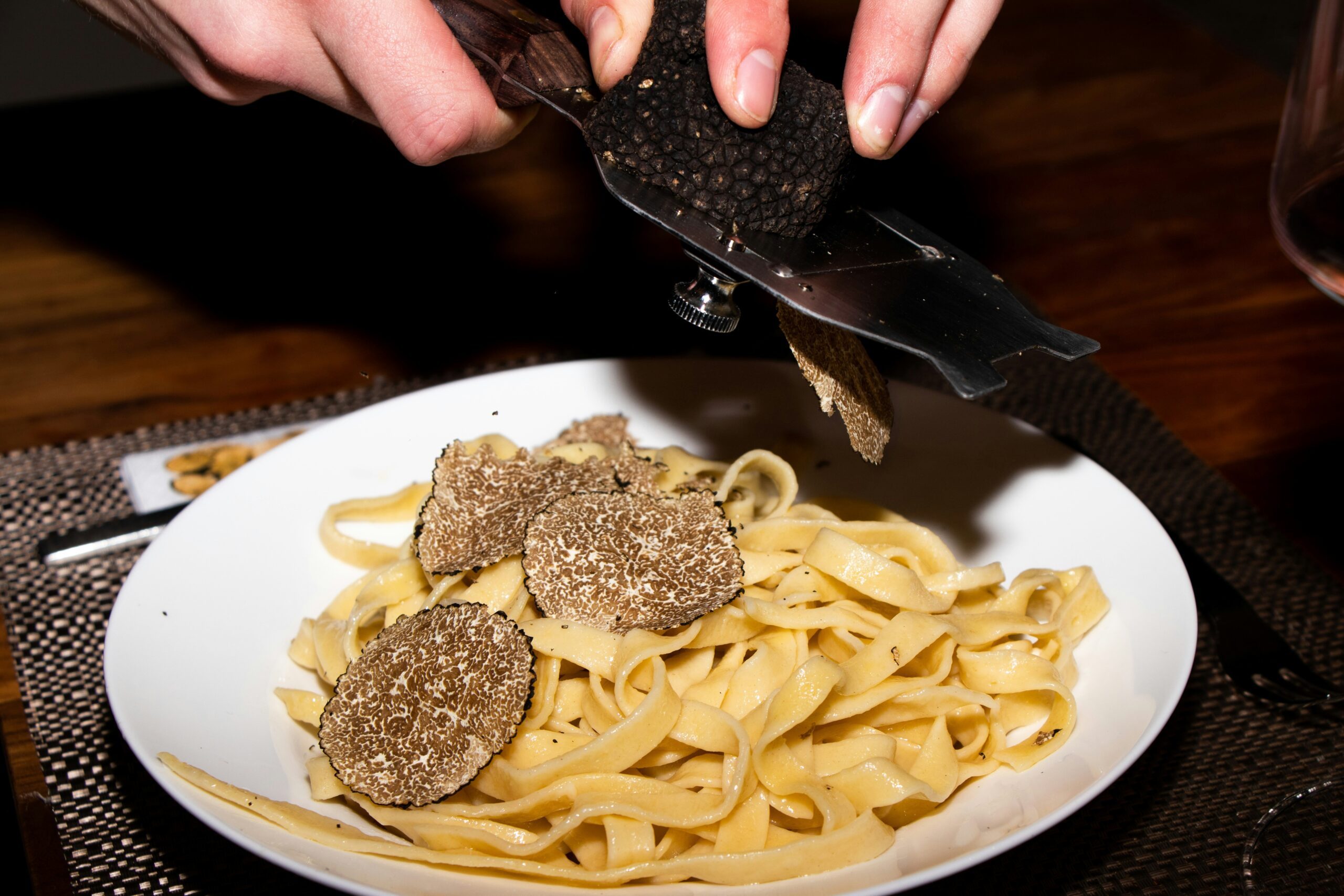
The truffle is not only a symbol of gastronomic luxury: it also embodies a deep connection between ecology, rural culture, and the local economy. Regions such as Aragon show that this mushroom can become a driver of rural development, creating jobs, identity, and gastronomic tourism.
In the face of global warming, truffle farming must innovate to preserve this resource. This implies better water management and diversification of cultivation areas. Soil-friendly agroforestry practices and ongoing research into the diversity of truffle species and their growing conditions are essential.
Aragon, long overlooked in truffle lore, is now one of the world leaders in black truffle production, rivaling the classic terroirs of France and Italy. But in an era of rapid climate change, Aragon, like other producing areas, will have to continue to adapt to new environmental conditions. New production horizons may emerge, particularly in the north and at higher altitudes, thus reshuffling the cards in a thousand-year-old market that remains one of the world’s great gastronomic passions.
Read also > Visiting Barcelona off the beaten track: our good addresses | Luxus Magazine
Featured photo : © Village of Albarracín in the province of Teruel (Aragon), Spain © Freepik