



In response to growing international demand for personalized clothing, platforms like mistertee—as well as major brands—have entered the market, offering their customers a wide range of options.
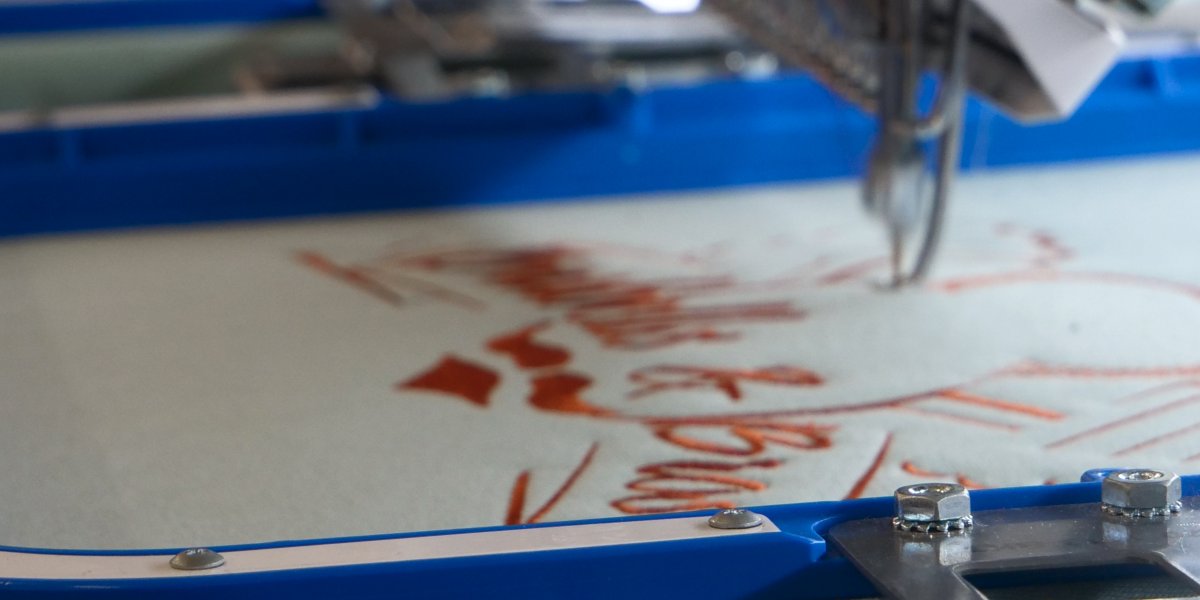
When imagination knows no bounds. In fact, choosing a personalized gift has never been easier—whether to delight loved ones or organize events with colleagues. Thanks to sites like mistertee.fr, embroidering, flock printing, screen printing, or changing the color of a garment is now just a click away, adding a special touch to your wardrobe.
Faced with growing demand, more and more platforms of this kind are entering the global market for personalized clothing, which is projected to reach $163.3 billion (140.7 billion euros) by 2035, with a compound annual growth rate of 9.5% from 2026 to 2035, according to Business Research Insights, a market research specialist. Its current size is estimated at $71.6 billion (€61.7 billion).
Europe, for its part, holds approximately 19% of this market, driven by demand from Italy, Germany, and the United Kingdom. However, the sector is dominated by Asia, with a 41% market share. According to the Business Research Insights study, this dominance is due to a large population and growing demand from the middle class.
In this context, nearly 42% of fashion brands have decided to offer a customization service on their websites or in-store, following the example of major retailers such as Uniqlo and Kiabi, or in the luxury sector, such as Louis Vuitton, which, for example, offers its customers the option to have their initials engraved on their leather goods.
Personalization and digital technology
Another trend also appears to be emerging in the sector, according to Business Research Insights: personalization using artificial intelligence. In fact, approximately 55% of brands globally use AI-powered personalization tools.
In France, TShirt IA, a startup founded by Henrick Thouvenin from the Tarn region, has already entered the market. Its concept—which he described to La Dépêche du Midi as “unique in Europe”—involves incorporating designs generated by this technology into clothing. On the brand’s website, for example, users can create “face swaps”—that is, replace a celebrity’s face with that of a loved one.
In addition to this emerging trend, the study reveals that a large proportion of consumers prefer online customization platforms because they offer a wide variety of choices and options. These features bridge the gap between the real and the virtual. At Mistertee, for example, customers can print a T-shirt with a photo they’ve chosen and imported from their phone. The site then uses a filter to transform the subjects in the photo into 3D animated characters.
Read also > Father’s Day : 10 lifestyle gift ideas to treat him
Featured photo : © mistertee.fr