





Ten years ago, on January 10, 2016, the world learned of the passing of David Bowie at the age of 69. More than just a musician, Bowie was a creator of worlds, a cultural chameleon capable of transforming every album, every costume, every glance into an event. His influence extends far beyond music, touching fashion, cinema, and entertainment, and his ability to reinvent pop remains unmatched.
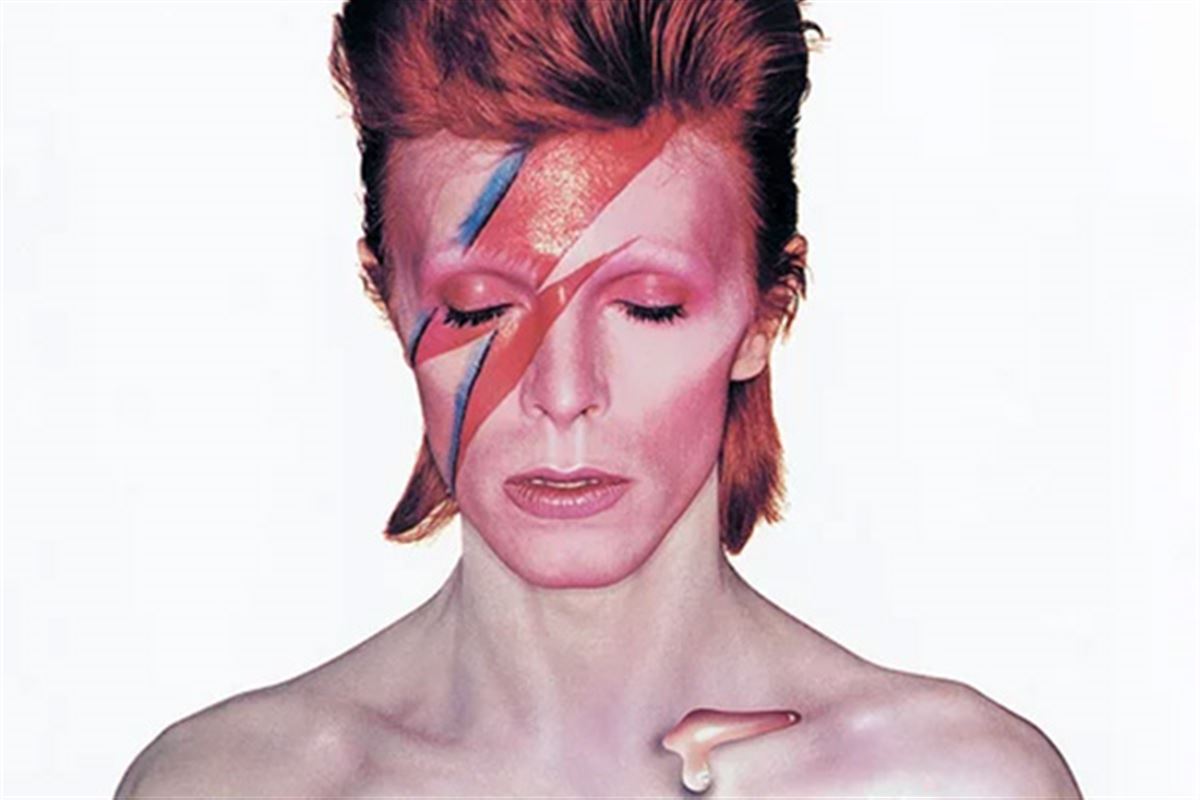
Born David Robert Jones on January 8, 1947, in Brixton, London, David Bowie grew up in a modest but creative environment, where music, theater, and mime introduced him to the art of embodiment. From the very beginning, the British artist was not content to just sing: he performed, he told stories… He even transformed himself with his dozen stage personas (Major Tom, Ziggy Stardust, Aladdin Sane, Halloween Jack, etc.).
A prolific artist, in his 54-year career, he released no fewer than 26 studio albums, sold 140 million copies, and appeared in some 56 films and series. These figures rise even further when you include his collaborations and appearances on film soundtracks.
From London to Ziggy Stardust: the meteoric rise of a total artist
His first singles went almost unnoticed, but in 1969, Space Oddity lit up his career. The story of Major Tom, an astronaut lost in the void of space, established Bowie’s uniqueness with a blend of melancholy, poetry, and cosmic audacity that struck audiences and critics alike. With Hunky Dory (1971), he confirmed his mastery of songwriting with tracks such as “Changes” and “Life on Mars?”, songs that combine introspection and pop brilliance.
The year 1972 was the year of his breakthrough with The Rise and Fall of Ziggy Stardust and the Spiders from Mars. Often abbreviated to Ziggy Stardust, the album stands out as a flamboyant, androgynous, and theatrical rock phenomenon, and Bowie brought it to life with his magnetic stage presence. His Glam Rock-inspired costumes, ranging from metallic jumpsuits to glittering, androgynous outfits, became an extension of his art, as much as his voice or his lyrics. On stage, he was no longer just a musician but a performer of rare and magnetic talent.
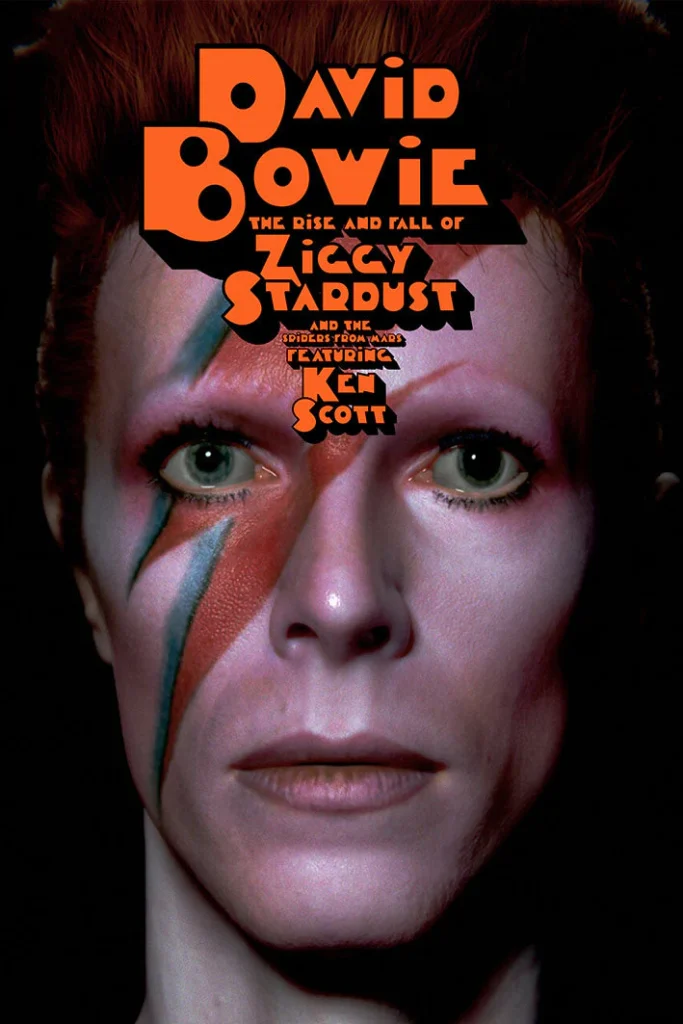
The media regularly highlighted this intensity; in a portrait in Télérama, the artist confided: “I was never naturally ahead of my time, I struggled to become so.” This struggle translated into a quest to transcend the norm, to surprise and upset expectations, in order to unite a loyal and new community.
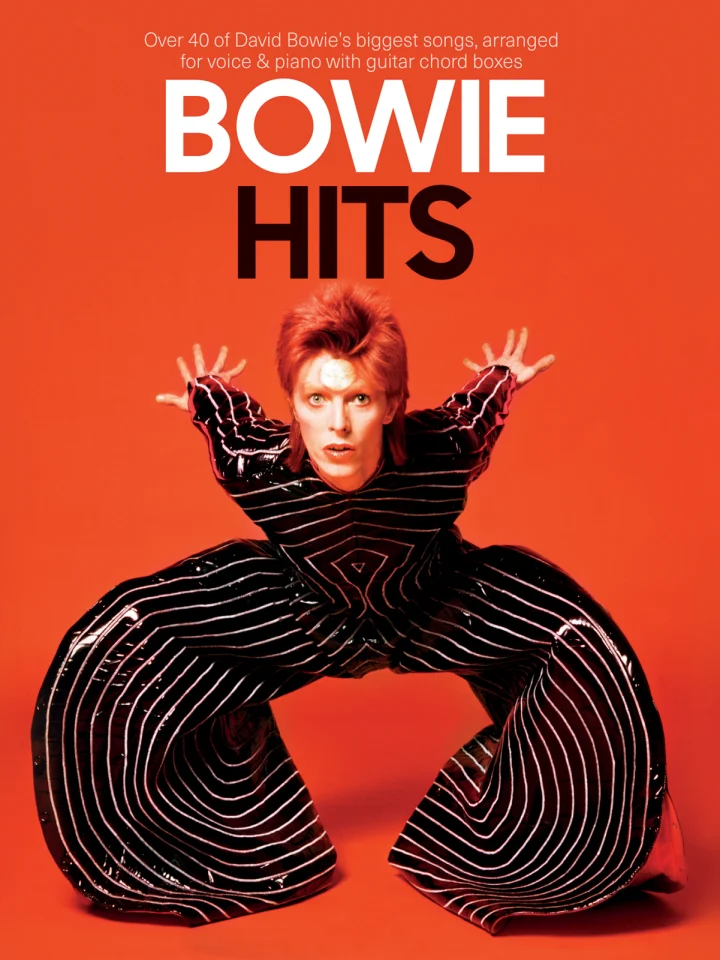
Alongside his music, Bowie began to explore cinema, often to accentuate this aura of strangeness. He appeared in The Man Who Fell to Earth (1976), playing an alien on Earth, a role that became a natural extension of his stage experiments, where the man and the character merged. This was followed by Furyo (1983), The Hunters (1983) and Labyrinth (1986), in which he played a British officer in a Japanese prison camp, a couple of vampires struck down by illness alongside Catherine Deneuve, and the king of the goblins, proving that his charisma knew no bounds.
The chameleon artist
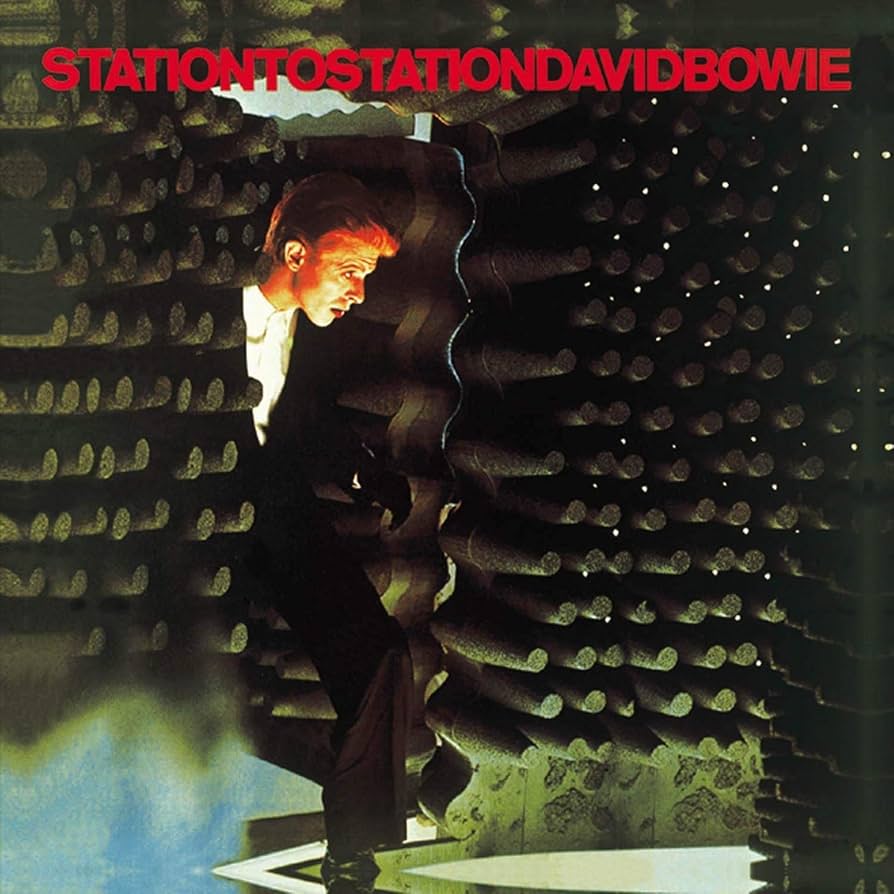
After Ziggy Stardust, Bowie refused to stagnate. In Station to Station(1976), he embodied the Thin White Duke, a colder and more sophisticated figure, oscillating between glamour and disturbing ambiguity. This period, marked by personal tensions, was also one in which he experimented with complex and innovative sounds.
Released between 1977 and 1979, the Berlin Trilogy (Low, Heroes, Lodger) with Brian Eno and Tony Visconti revealed a David Bowie capable of fusing rock, electronic, and ambient [a soft and melodious electronic/techno style, ed.], opening up new horizons for modern pop. On stage, he continued to dazzle with his costumes, makeup, gestures, and stage presence, which made each concert a total spectacle. David Bowie imposed a new paradigm: pop as a total art form, where music, fashion, and performance became one.
The 1980s saw the explosion of Let’s Dance, an album that blended pop, funk, and dance, confirming that he could appeal to the general public while remaining Bowie. The album was a string of hits, from Modern Love to Let’s Dance to Modern Love. Then, the 1990s and 2000s saw him explore industrial rock (Earthling), collaborate with Tin Machine, and make numerous forays into film and media, more or less tinged with self-mockery, as in Zoolander (2001) and The Prestige (2006).
The artist is also present in the world of television series. Following his participation in the film Twin Peaks: Fire Walk With Me (1992), he made a posthumous appearance in episode 14 of season 3 of the series Twin Peaks (2017), also by David Lynch. This dreamlike sequence was created using archive footage, while the dialogue was recorded backwards and then edited forwards.
Finally, in 2016, the glam-rock icon signed his artistic testament with Blackstar, released on January 8, two days before his death. The album, dark and complex, blends jazz, rock, and sound experiments, a conscious and poetic final farewell.
His death on January 10, 2016, shocked the world, but sealed the legend of an artist who refused to repeat himself and who explored the boundaries of art, performance, and identity to the very end.
In February 2018, magnate Elon Musk chose to soundtrack the launch of SpaceX’s Falcon Heavy, to which a red convertible was attached, with the song “Space Oddity,” featuring a mannequin named Starman on board. In 2022, Brett Morgen’s documentary Moonage Daydream (named after one of the tracks on the Ziggy Stardust album), presented in the official selection at the Cannes Film Festival, remains the latest tribute to the British singer.
Ten years after his death, David Bowie continues to change the world and inspire those who dare to reinvent themselves.
Read also > David Lynch, the filmmaker of the uncanny
Featured photo: Aladdin Sane studio album cover © RCA Victor, 1973