





Chahan Minassian transforms the former residence of Countess Gozzi into an art gallery that can be visited by appointment. He enchants us by combining Mariano Fortuny’s creations with his own designs and works by Pierre Sabatier, Harumi Klossowska de Rola, and Emilio Martinez. Luxus Magazine’s private tour.
The vaporetto takes us to the island of Giudecca, the closest and largest island in Venice. Opposite the legendary Hotel Cipriani, we walk along the canal and ring the doorbell of an imposing brick building. The name can be read in capital letters from a distance: Fortuny. You really have to look up to see it. We are welcomed for a private tour.
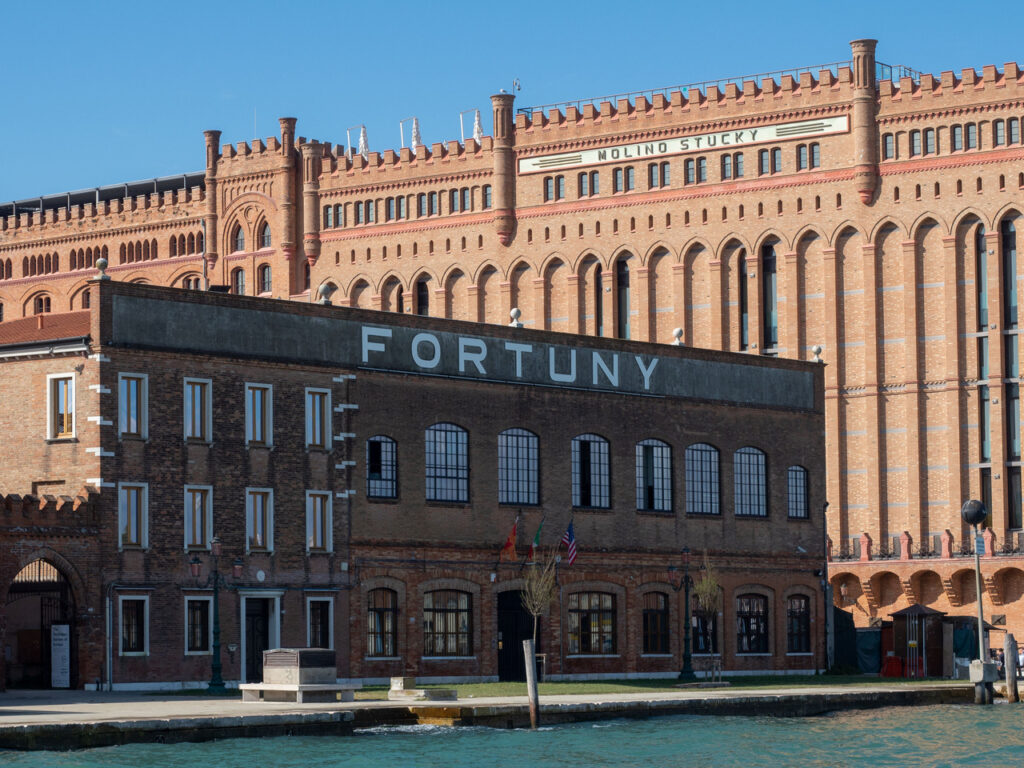
Here lies a superb three-story house with a view of the lagoon. It is adorned with a lush five-hectare garden and a huge swimming pool, adjacent to the famous Fortuny fabric factory, a stone’s throw from the old “Molino Stucky” flour mills, which have been converted into a Hilton hotel.
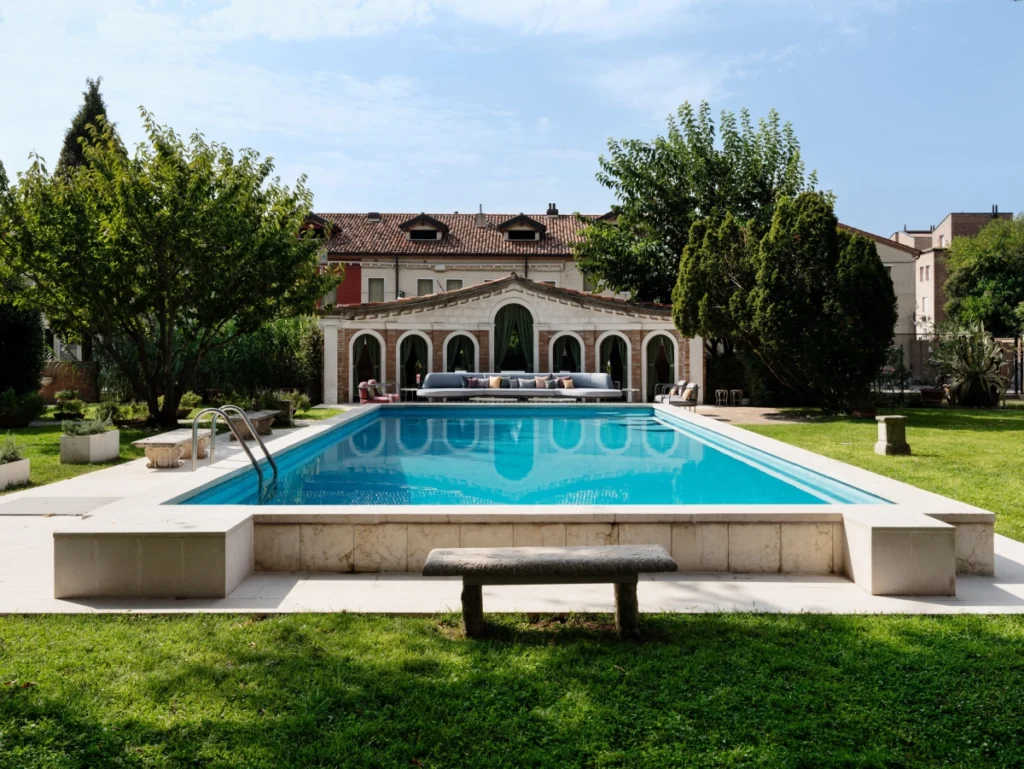
Closed since the death of Countess Gozzi in 1994, this house retained an air of infinite mystery.
But three decades later, interior designer Chahan Minassian awakened the sleeping beauty of the lagoon at the request of its owners.
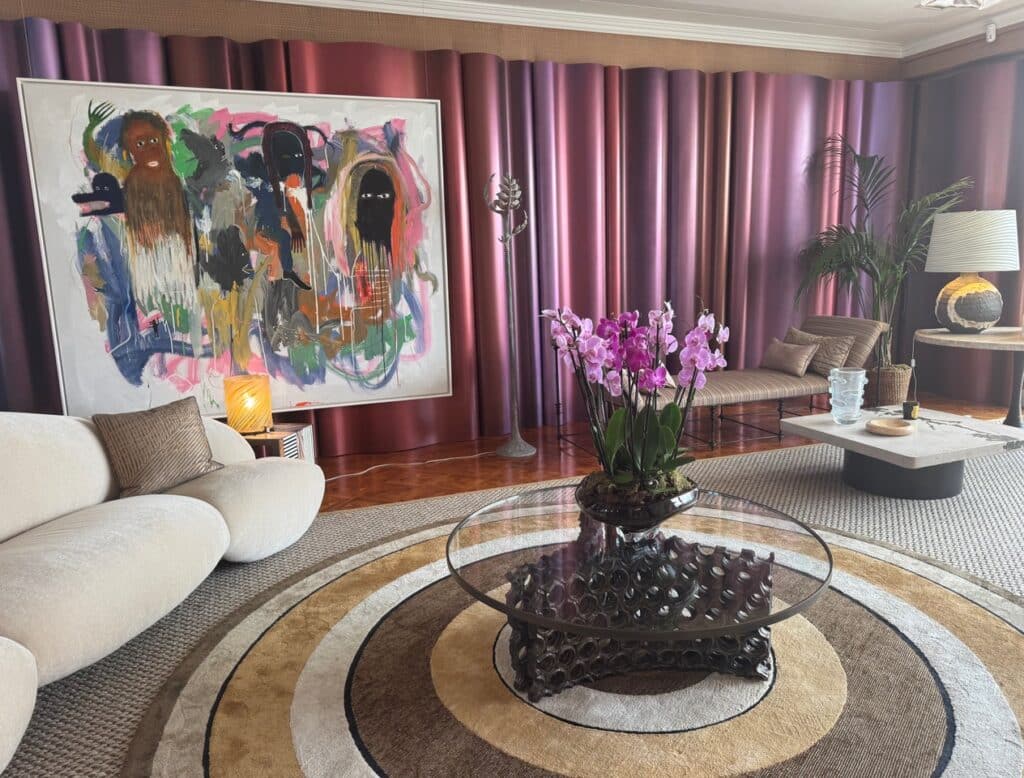
After only one year of work, the building appeared superbly transformed, luminous in its designer and luxurious guise, a pleasant place to live, during the 2024 Art Biennale. With new artistic touches, it has improved (like fine wine) for the 2025 Architecture Biennale.
But why choose the Franco-Lebanese Chahan Minassian?
It is true that the founder of the Chahan Gallery in Paris has made a name for himself with his gift for enhancing Venetian gems such as the Abbey of San Gregorio, the Contarini Michiel, Corner Spinelli and Giustinian Brandolini palaces, and one of Diane von Fürstenburg’s recent residences.
He has also achieved great things in Paris, at the Hôtel de Crillon (the “Les Ambassadeurs” bar, the restaurant, the Bernstein and Louis XV suites), and at the Pavillon Ledoyen, with custom-made furniture and lighting in reinterpreted environments.
Chahan is reviving the Palazzina Fortuny, a legendary residence, in the spirit of the 21st century.
As a designer, interior decorator, antique dealer, and collector (yes, all of that!), Chahan has a keen, precise eye that encompasses the issues of a space. He makes it a unique place thanks to exceptional furniture, works of art, and fabrics. He does not create a decor, but brings an atmosphere to life.
It was therefore only natural that he was entrusted with the perilous task of restoring and reviving the Palazzina Fortuny, a legendary residence, in the spirit of the 21st century.
Having taken up residence in Venice six years ago, Chahan embodies a new facet of the floating city. The city is attracting more and more international residents to its shores. La Serenissima is not just a tourist destination, but is becoming a cultural beacon for artists and entrepreneurs from around the world. They enjoy gathering there for prestigious events… or simply for pleasure, several times a year.
Almost a century apart, Fortuny and Chahan share many similarities: resilience following a troubled childhood, a taste for cities open to cosmopolitan influences, a passion for cutting-edge artistic research, and a love of works of art and antique collections.
Mariano Fortuny, a genius of beauty, fabrics, fashion, light, decor…
We can never tell enough about the incredible destiny of Mariano Fortuny y Madrazo, an artist of unparalleled inventiveness. With such a beautiful name, how could he not make his fortune? Born in 1871 in Granada into a renowned family of artists, his father died suddenly when he was three years old. This tragedy would mark his entire life. He moved with his mother, first to Paris, where he trained, and then to Venice.
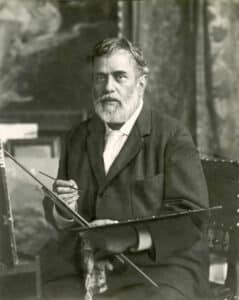
It was in the City of the Doges, a city at the crossroads of Western and Eastern cultures, that he found his inspiration and established himself as a prolific artist and inventor.
With his wife, muse, and collaborator Henriette Negrin, whom he met in Paris when he was 26, he moved into the Palazzo Pesaro degli Orfei, now the Mariano Fortuny y Madrazo Museum. Together they set up a workshop whose creations appealed to lovers of beauty, artists, and the European elite.
In 1919, Fortuny bought a factory on the island of Giudecca from Gian Carlo Stucky to produce fabrics printed with precious and sophisticated ornaments. He gave free rein to his creativity with fabrics featuring gold and silver highlights, made with metallic powder. He created patterns with Byzantine, Coptic, Persian, and Japanese accents on cotton, silk, and velvet.
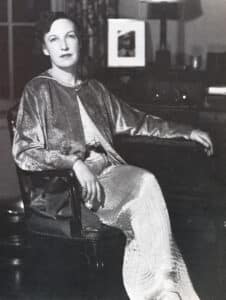
Upon his death in 1949, his wife Henriette, who had no children, bequeathed the company to American decorator Elsie McNeill Lee. Elsie’s marriage to Count Alvise Gozzi brought this remarkable businesswoman into the elite circles of La Serenissima. She moved into the house next to the workshops and decorated it in a bourgeois and opulent style, in keeping with the tastes of high society at the time.
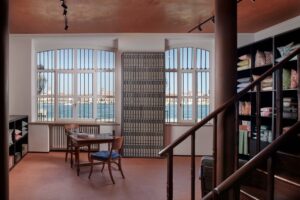
Brothers Maury and Mickey Riad, now CEO and artistic director of the company respectively, inherited the business from their father Maged Riad in 1998. He had bought Fortuny from Countess Gozzi, to whom he was a trusted confidant.
“Fortuny is a family business with 35 employees in Venice and a showroom in New York. Its international reputation sometimes makes people forget that it is a small company,” points out Vittoria Roggio, Fortuny’s sales director.
Although the fabrics are world-renowned, the Fortuny brand remains fragile. The brand has stood the test of time by jealously guarding its secrets for manufacturing precious fabrics. No one has ever been allowed to enter the inner sanctum of the design studio. Only the showroom can be visited by appointment. Interior designers and private individuals alike can purchase fabrics, cushions, tableware featuring Fortuny patterns, and more.
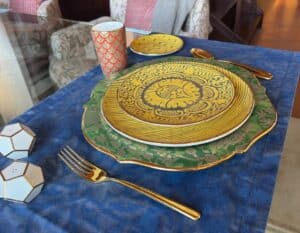
Glass Week Venice 2025 highlights the formidable Fortuny + Chahan collaboration
A new highlight in Venice, Glass Week Venice 2025, from September 13 to 21, highlights the formidable Fortuny + Chahan collaboration for those who have not yet discovered it. This is an opportunity to get a sneak preview of Chahan Design’s Zigzag lamps in Murano glass.
Prestigious guests and curious visitors flit from room to room, taking the majestic staircase up to the three floors of the house. There, they notice a magnificent Murano glass chandelier by Chahan.
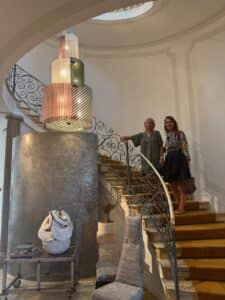
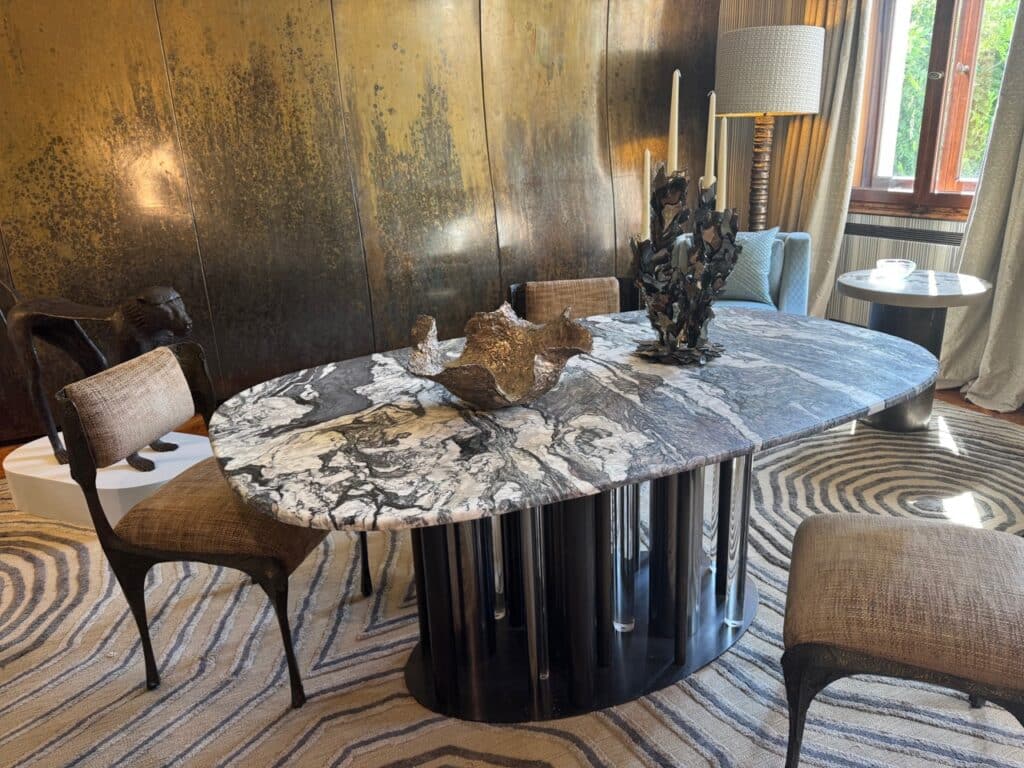
From the living rooms to the bedrooms and boudoirs, we admire the furniture designed by Chahan: sofas with a new collection of “Armonia” fabrics, Murano glass and bronze cube coffee tables, lighting and wall lights, again in Murano glass, and soft, hand-woven silk and wool rugs.
A vision of beauty that transcends time and fashion trends.
It’s about living in a cocoon that is both elegant and comfortable. Isn’t the house also “a little” like the Riad brothers’ residence?
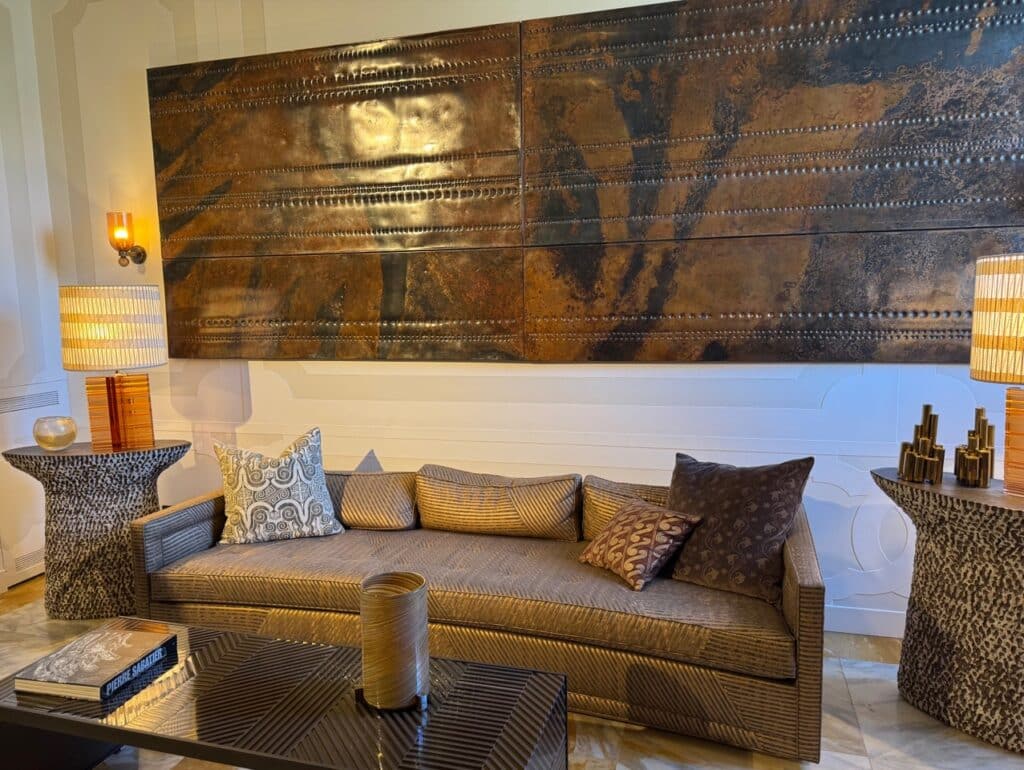
A tribute to brutalist art that enhances a designer home
At the opening of the 2025 Architecture Biennale, Chahan brought artist Pierre Sabatier onto the scene, a metal enthusiast who notably poeticized the concrete architecture of the glorious thirties. He also highlighted Harumi Klossowska de Rola, daughter of painter Balthus, whose sculpture featuring animals with hollow bellies both questions and seduces.
It is a tribute to Brutalist art that enhances a designer home furnished with rounded shapes, soft and silky drapes, and thick, plush carpets.
We love the large canvases by Honduran-born artist Emilio Martinez, which add a touch of color and a world of fantasy to rooms orchestrated around a studied sobriety.
The furniture, artwork, and fabrics form a very appealing combination and create a warm atmosphere imbued with understated luxury. It’s fun to imagine a room from this house-gallery in your own home. No problem! Everything here is for sale.
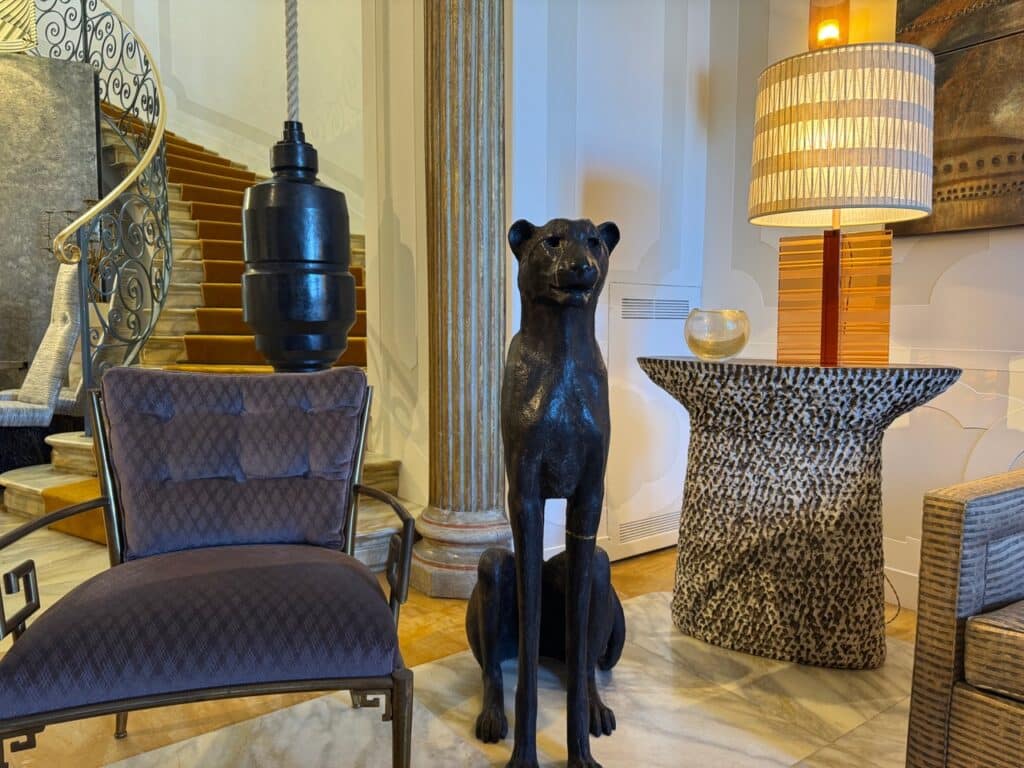
What new conquest could Chahan dream of? The designer has just created his first Fortuny fabric collection entitled “Armonia,” in harmony with the past of the famous Venetian company. His palette of new colors and tone combinations incorporates bronze, rock crystal, slate… Mariano Fortuny would be proud of him.
“This collaboration is a new step,” explains Mickey Riad. “We are exploring new ideas and innovative processes that perpetuate the legacy of Mariano Fortuny. Our sensibility is in line with current design without losing the essence of what Fortuny represents, which is so unique. Working with Chahan allows for this perfect balance. ”
The architecture of the palaces, the patina of time on the stone, the reflections of light on the lagoon remain the main attractions of Venice, the floating city that greatly inspires artists. Together, Fortuny and Chahan sublimate the Venetian art of living.
Featured photo: Chahan Minassian, interior designer, and Mickey Riad, co-owner and artistic director of Fortuny, at Palazzina Fortuny ©Brenda Nusenovich