


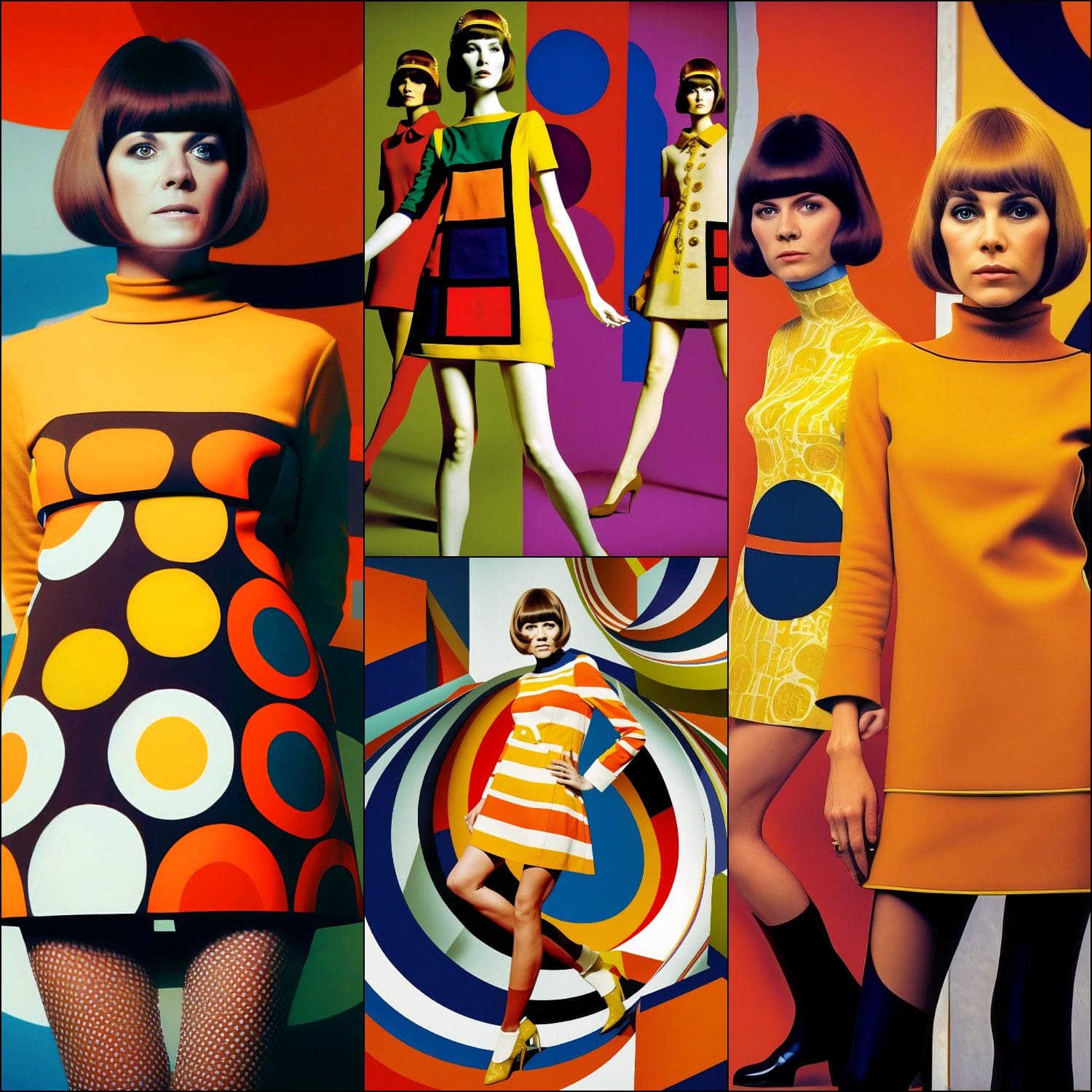




At first glance, it’s just a few centimeters less fabric. Yet few garments have shaken up social norms as much as the mini-skirt. More than just a fashion trend, it has become a symbol of freedom, emancipation, and modernity. To mark World Mini Skirt Day, celebrated on June 6, let’s take a look back at the history of a garment that has accompanied the major transformations of contemporary society.
A revolution born on the streets before the runways
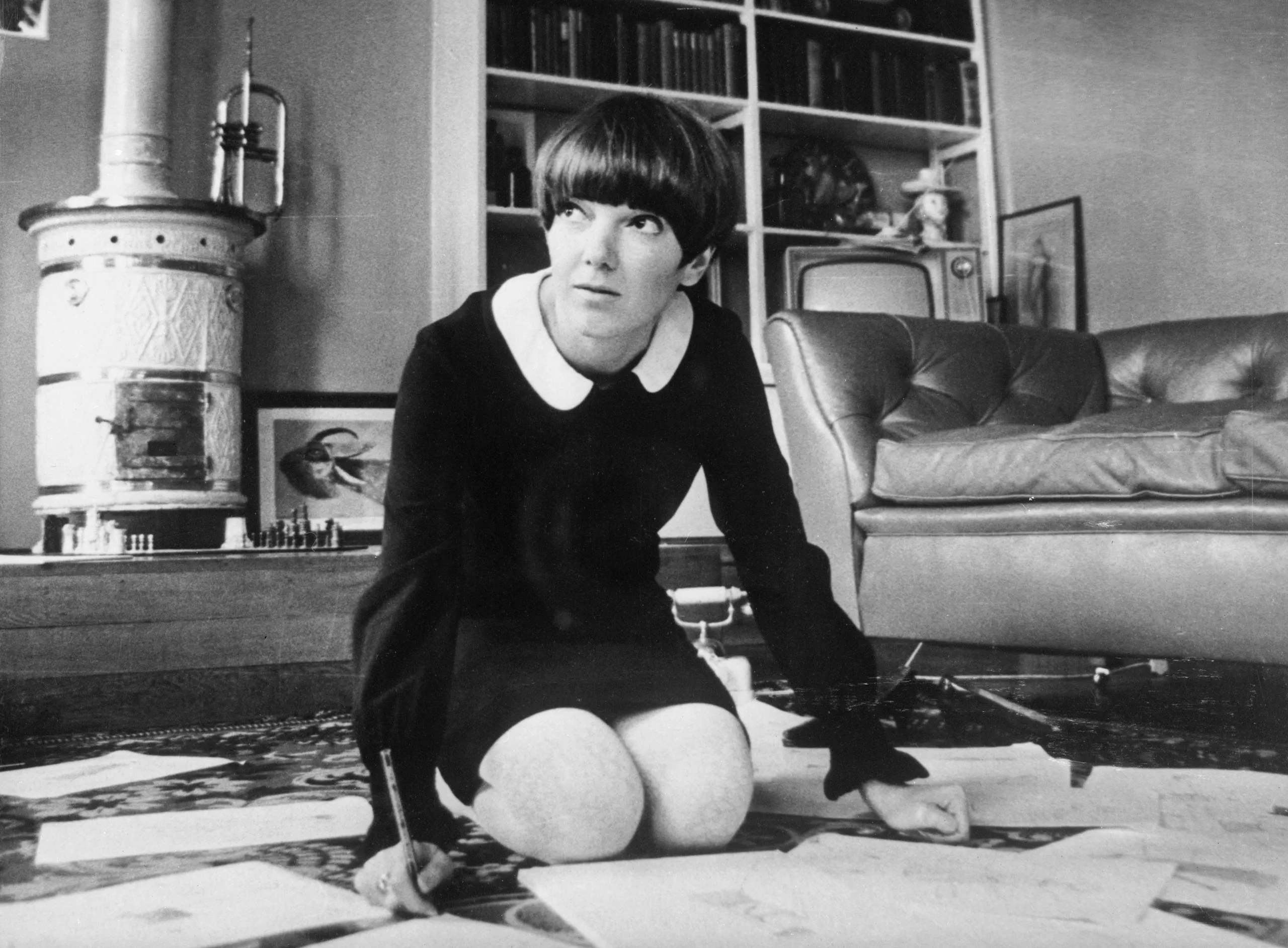
Contrary to a widely held belief, the mini skirt was not the brainchild of a single designer. While the British designer Mary Quant remains its most famous face, she herself acknowledged that the idea came primarily from the young women of her time.
In the early 1960s, in the London of the Swinging Sixties, teenage girls spontaneously shortened their skirts to gain greater freedom of movement. Mary Quant understood this desire for emancipation before anyone else and transformed this street trend into a global phenomenon from her Bazaar boutique on King’s Road.
Meanwhile, in France, the fashion designer André Courrèges presented futuristic miniskirts in 1965 that brought this silhouette into the world of haute couture. Where Quant embodied the rebellious spirit of youth, Courrèges gave it international legitimacy.
The success was meteoric. For the first time, fashion no longer trickled down from aristocratic salons to the streets: it followed the movement driven by a generation that rejected the conventions inherited from the postwar era.
Much more than a garment : the manifesto of a generation
The 1960s marked a historic turning point for women. Increased access to higher education, a massive influx into the workforce, and the democratization of contraception: throughout the West, the lines were shifting.
In this context, the miniskirt became a visual symbol of this newfound autonomy. It accompanied the emergence of a youth that claimed the right to control its own body and image.
But reducing its success solely to the sexual revolution would be simplistic. The miniskirt also reflected a revolution in everyday life. Women were driving more, traveling alone, dancing, working, and seeking clothing suited to their mobility. Shorter and more practical, it accompanied this new physical freedom.
Its rise is, moreover, inseparable from another innovation: the advent of modern tights, which allowed for the gradual abandonment of stockings and garter belts, symbols of a more restrictive femininity.
The icons who popularized the miniskirt
As is often the case in fashion history, it is public figures who transform a trend into a cultural phenomenon.
In the United Kingdom, the model Twiggy became the perfect embodiment of this new silhouette. Her androgynous look, her endless legs, and her resolutely modern style established the miniskirt as the uniform of international youth.
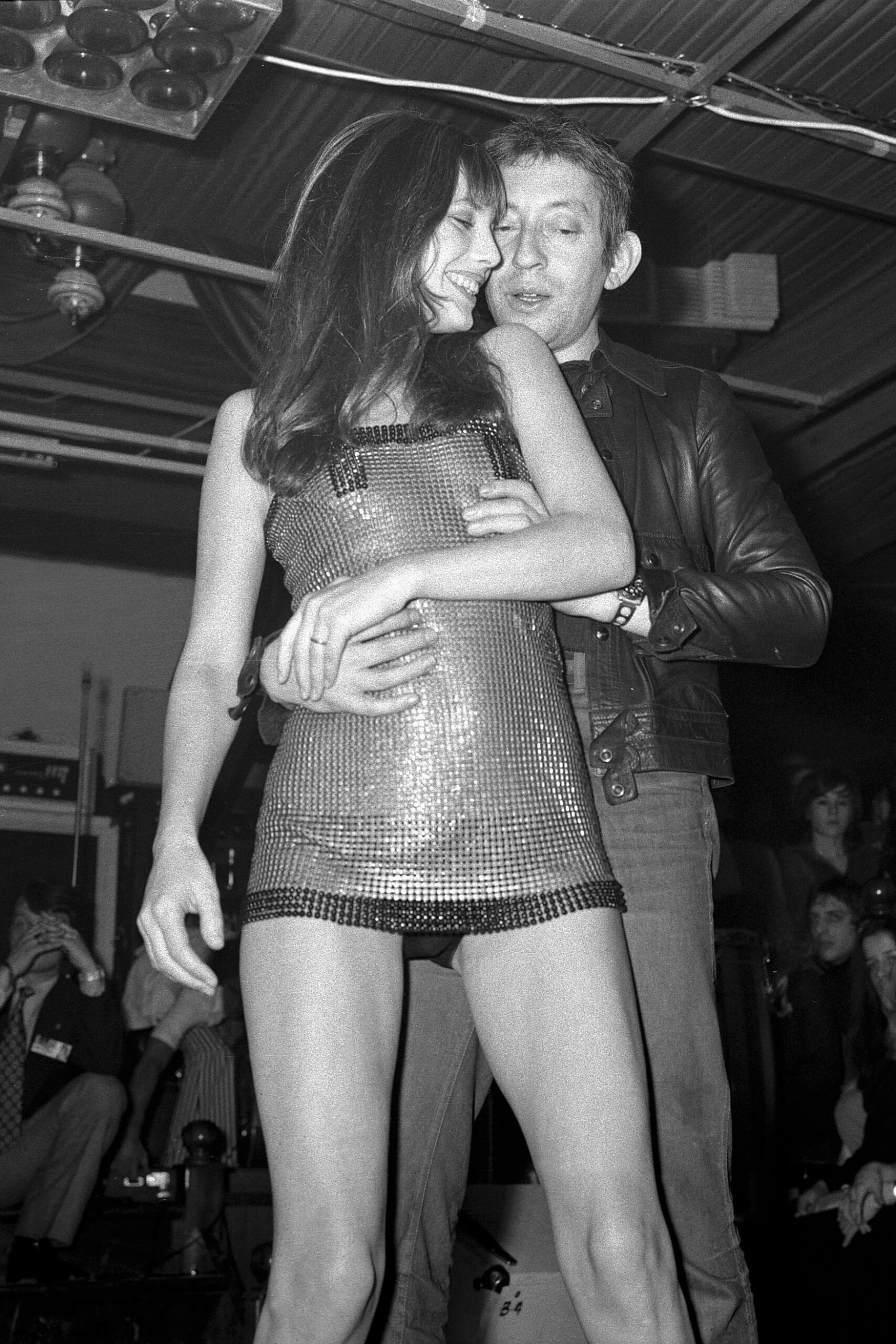
In France, several women contributed to its widespread adoption. Brigitte Bardot regularly appeared in miniskirts in her daily life as well as on screen, embodying a free and liberated femininity. Jane Birkin, with her natural look and laid-back style, helped make it a symbol of chic modernity. Catherine Deneuve gave it a more sophisticated dimension, associating the miniskirt with Parisian elegance.
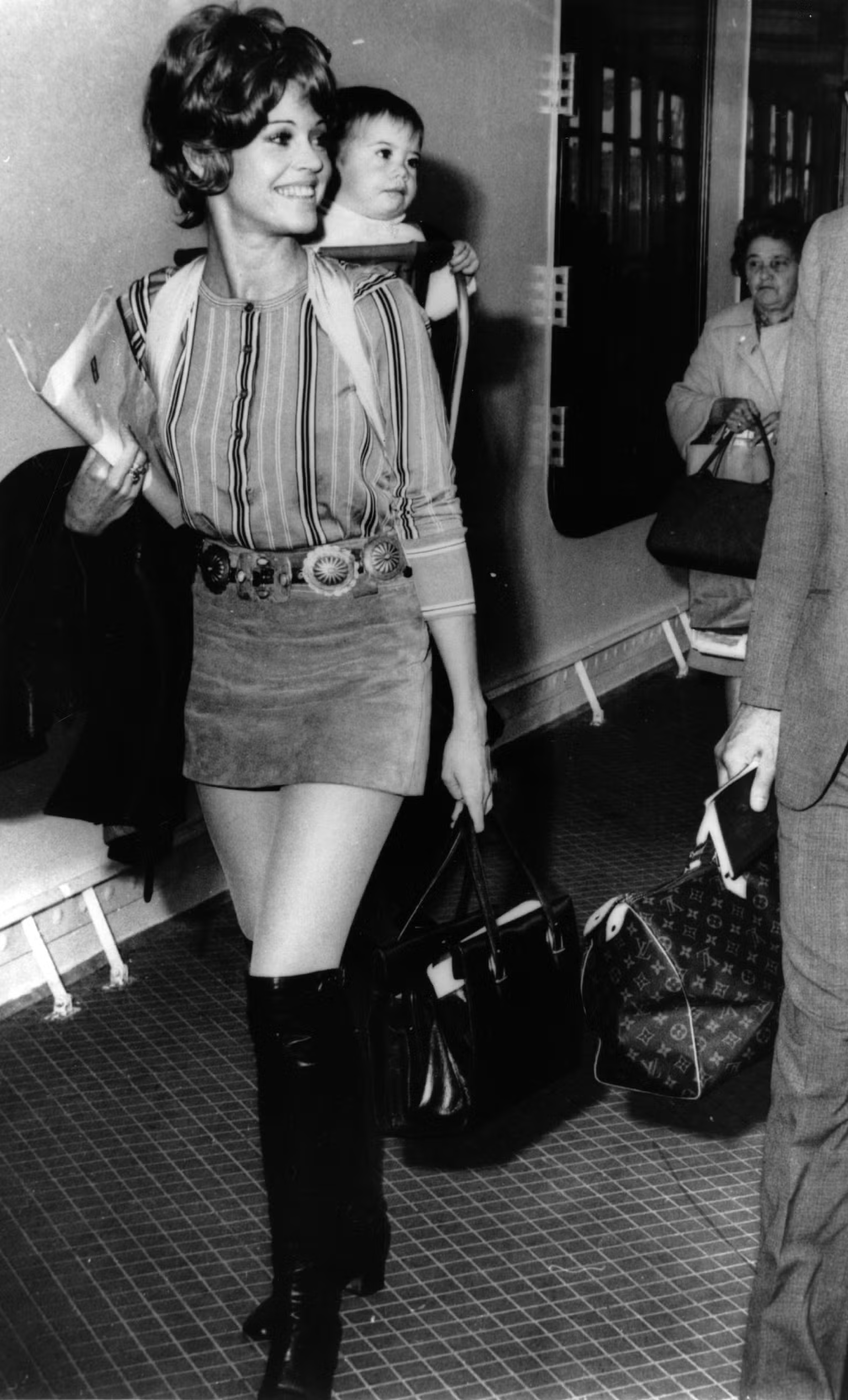
Across the Atlantic, Jane Fonda adopted this look in the 1960s, while Elizabeth Montgomery, star of the cult series “Bewitched,” helped bring the miniskirt into American homes through television. Even earlier, British model Jean Shrimpton caused an international scandal by appearing at the 1965 Melbourne Cup in a dress well above the knee, without gloves or a hat. This appearance is often considered one of the defining moments in the democratization of the miniskirt.
France : between fascination and controversy
In France, the miniskirt did not meet with unanimous approval at first. Some schools, companies, and government offices even attempted to regulate its wear. Debates were heated: some saw it as an affront to decency, others as a symbol of progress.
Above all, this controversy revealed the tensions of a society in the midst of transformation. The length of a skirt suddenly became a political, moral, and cultural issue.
The miniskirt, however, quickly established itself on the streets of France, worn by a generation that refused to let its appearance be dictated by convention.
Asia: A Cultural Reappropriation
While the miniskirt originated in Europe, its influence quickly spread worldwide. Japan adopted it in the late 1960s as a symbol of Western modernity. A few decades later, Japanese high school girls reappropriated it by deliberately shortening their school uniforms, creating a phenomenon that would leave a lasting mark on Asian popular culture.
South Korea, Taiwan, and several major Asian cities followed suit. In this part of the world, the miniskirt became as much a symbol of cultural globalization as it was of individual self-expression.
A garment that tells the story of women
More than sixty years after its debut, the miniskirt continues to spark debate and interpretation. A symbol of freedom for some, a source of controversy for others, it remains a powerful indicator of social change.
For if the miniskirt has endured through the decades without ever disappearing, it is because it tells a story that goes far beyond fashion. It embodies women’s emancipation, the assertiveness of youth, and the transformation of contemporary societies.
At a time when issues of equality, representation, and freedom of choice remain at the heart of discussions, the miniskirt remains a paradoxical symbol: a simple piece of fabric that has, over time, become one of the most powerful cultural markers of contemporary history. Ultimately, the miniskirt has never merely shortened hemlines. It has helped expand the realm of possibilities.
Read more > The mini-skirts that marked the history of cinema
Featured photo : Mary Quant fashion runaway in the 60’s © DR