

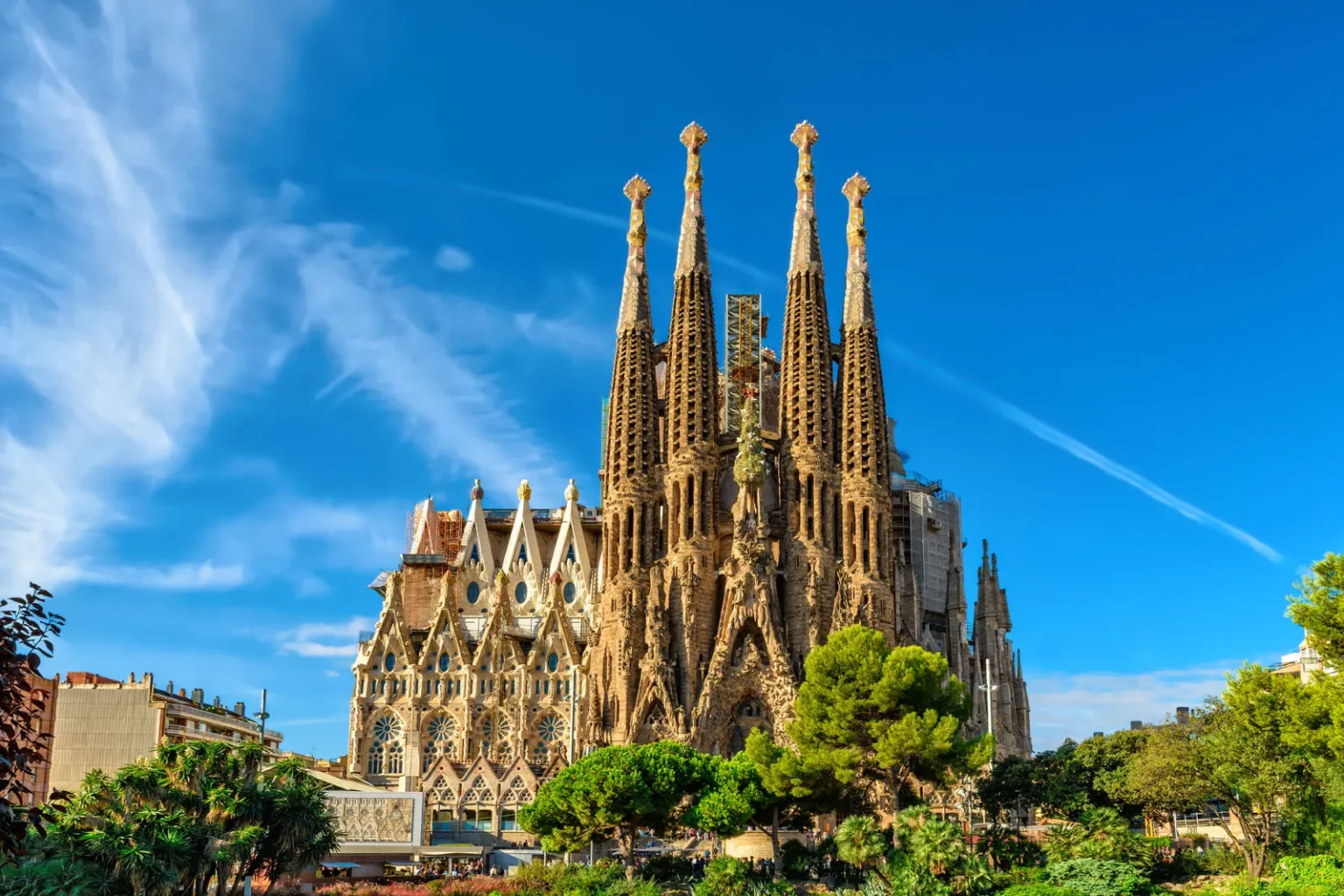




At once a place of worship, an architectural masterpiece, and a construction site still in progress, the Sagrada Família continues to bear Gaudí’s mark. Begun in the late 19th century, this extraordinary project continues to evolve and remains one of Barcelona’s most recognizable symbols.
On June 10, 2026, Pope Leo XIV blessed the Sagrada Família in Barcelona during a ceremony marking a new chapter in the monument’s history. This celebration coincides with the centennial of the death of its principal designer, Antoni Gaudí, who passed away on June 10, 1926. Through seven key figures, here’s a look back at the characteristics and history of this iconic building in the Catalan capital.
1882: Construction begins
Construction of the basilica began in 1882 under the direction of architect Francisco de Paula del Villar. A year later, Antoni Gaudí took over the project and transformed it profoundly. He would devote more than forty years of his life to it, spending the last fifteen years working on it almost exclusively.
1926: The Year of Gaudí’s Death
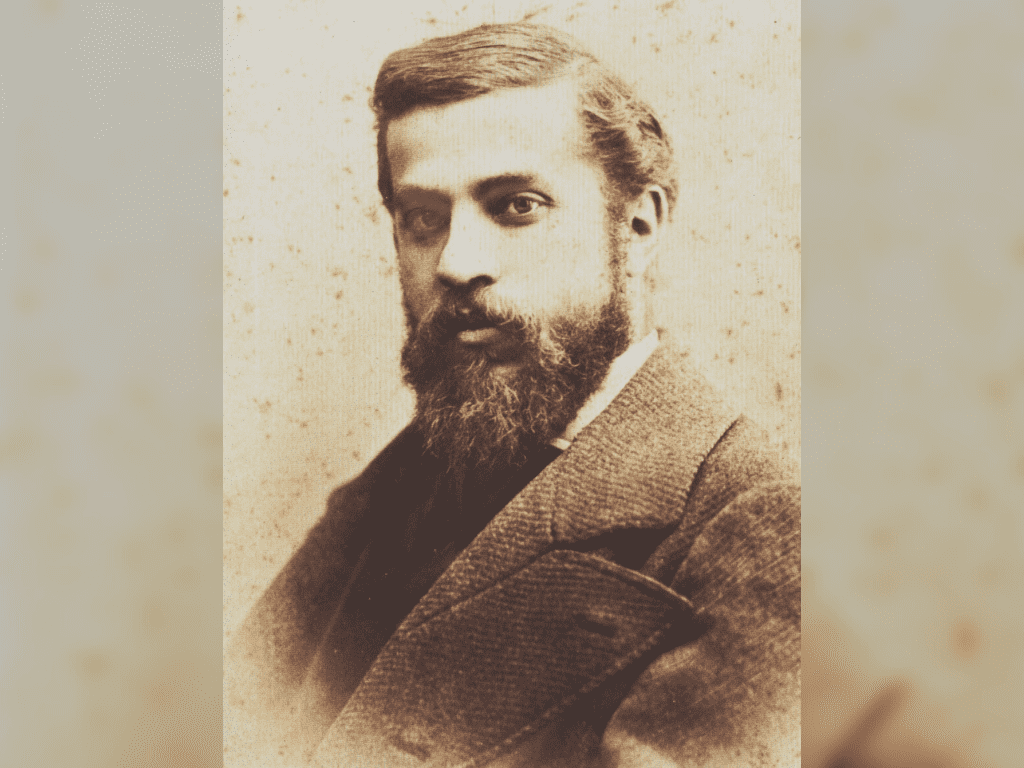
On June 10, 1926, Antoni Gaudí died in Barcelona as a result of a tram accident. At the time of his death, only part of the building had been completed, notably the crypt, the apse, and a section of the Nativity Facade. Construction has continued ever since, thanks to the plans, models, and instructions left by the architect.
18: the number of towers planned
The complete project includes eighteen towers. Twelve represent the apostles, four the evangelists, one the Virgin Mary, and the tallest is dedicated to Christ. This arrangement reflects the religious dimension of the project envisioned by Gaudí.
172.5 meters: the height of the Tower of Christ
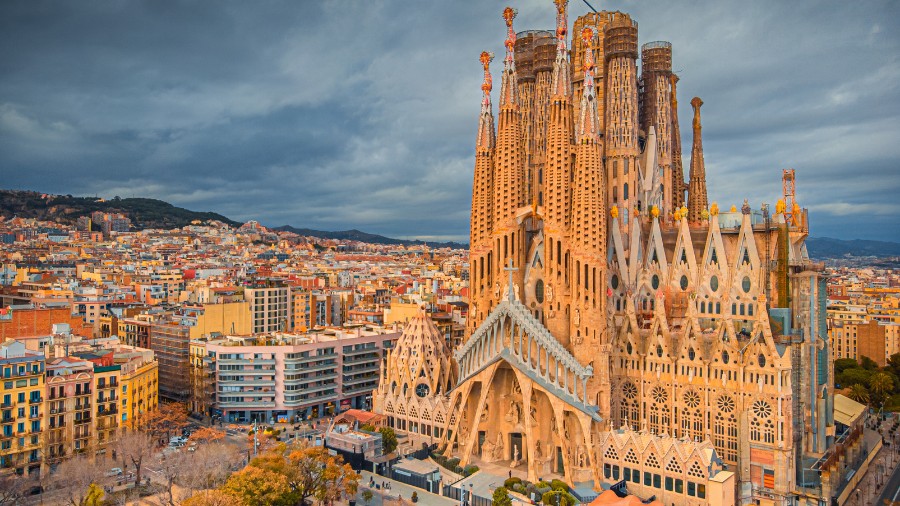
The central Christ Tower will reach 172.5 meters upon completion. Gaudí deliberately chose not to exceed the height of Montjuïc Hill, believing that a human creation should not surpass nature’s own creation.
3 monumental facades
The basilica is organized around three main facades. The Nativity Facade, partially completed during Gaudí’s lifetime, depicts the birth of Christ. The Passion Facade recounts the last days of his life. The Glory Facade, still under construction, is dedicated to the Resurrection and eternal life.
4.7 million: the number of annual visitors
Before the pandemic, the Sagrada Família welcomed approximately 4.7 million visitors per year. This level of attendance makes it one of Spain’s most visited cultural and religious sites. Revenue generated from admission tickets directly contributes to funding the construction project.
144 years of construction by 2026
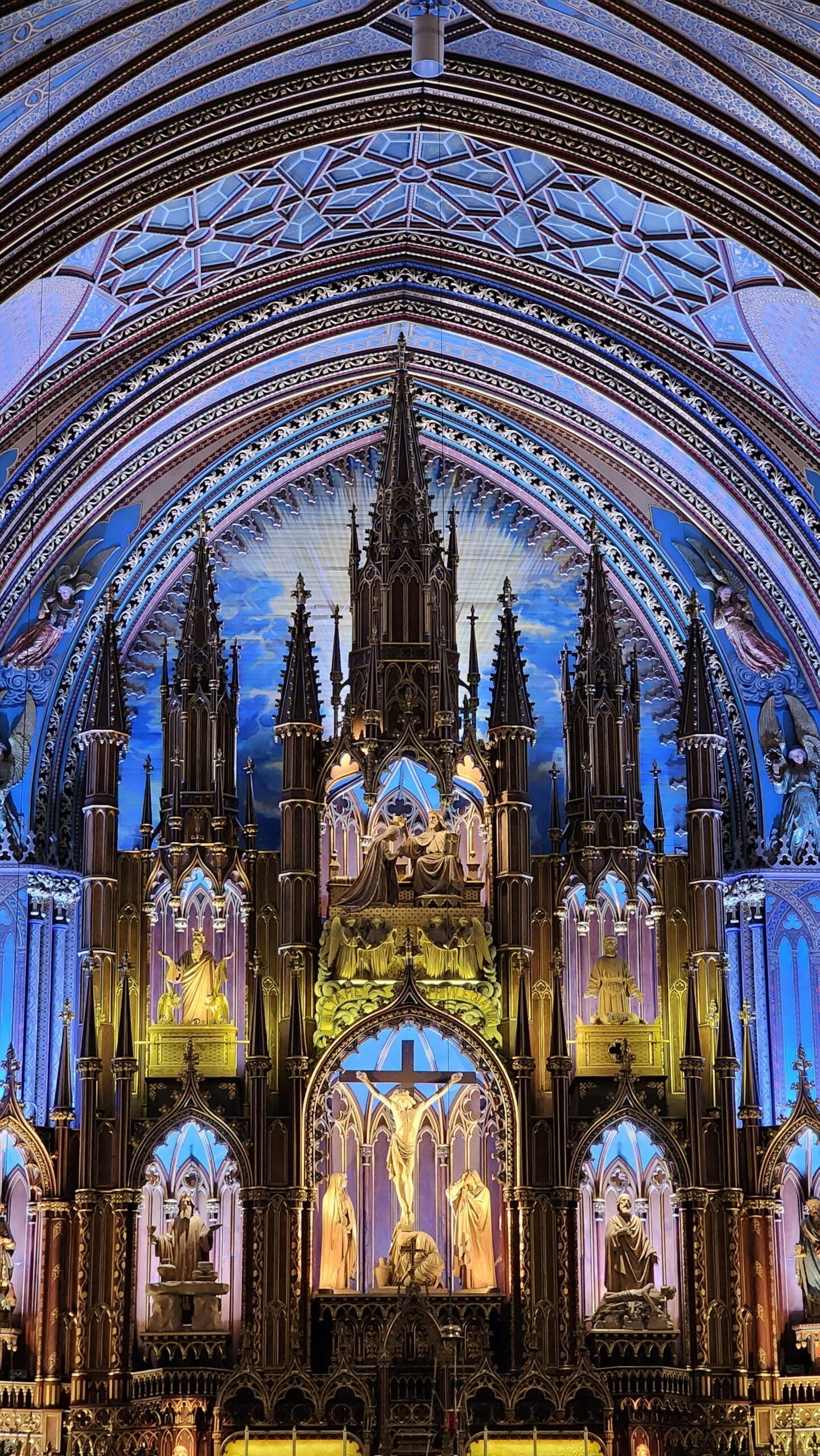
Between the laying of the cornerstone in 1882 and the year 2026, 144 years will have passed. Construction has been interrupted several times, notably during the Spanish Civil War, but the project continues to move forward. Officials from the foundation in charge of the monument expect the main architectural elements to be completed in the coming years.
A project still underway
The initial goal of fully completing the project by the centennial year in 2026 has been revised. Due to work stoppages and budget cuts during the 2020 health crisis, the official timeline now calls for the remaining architectural elements to be completed by 2035.
Read more > Visiting Barcelona off the beaten track: our good addresses
Featured photo : © DR