


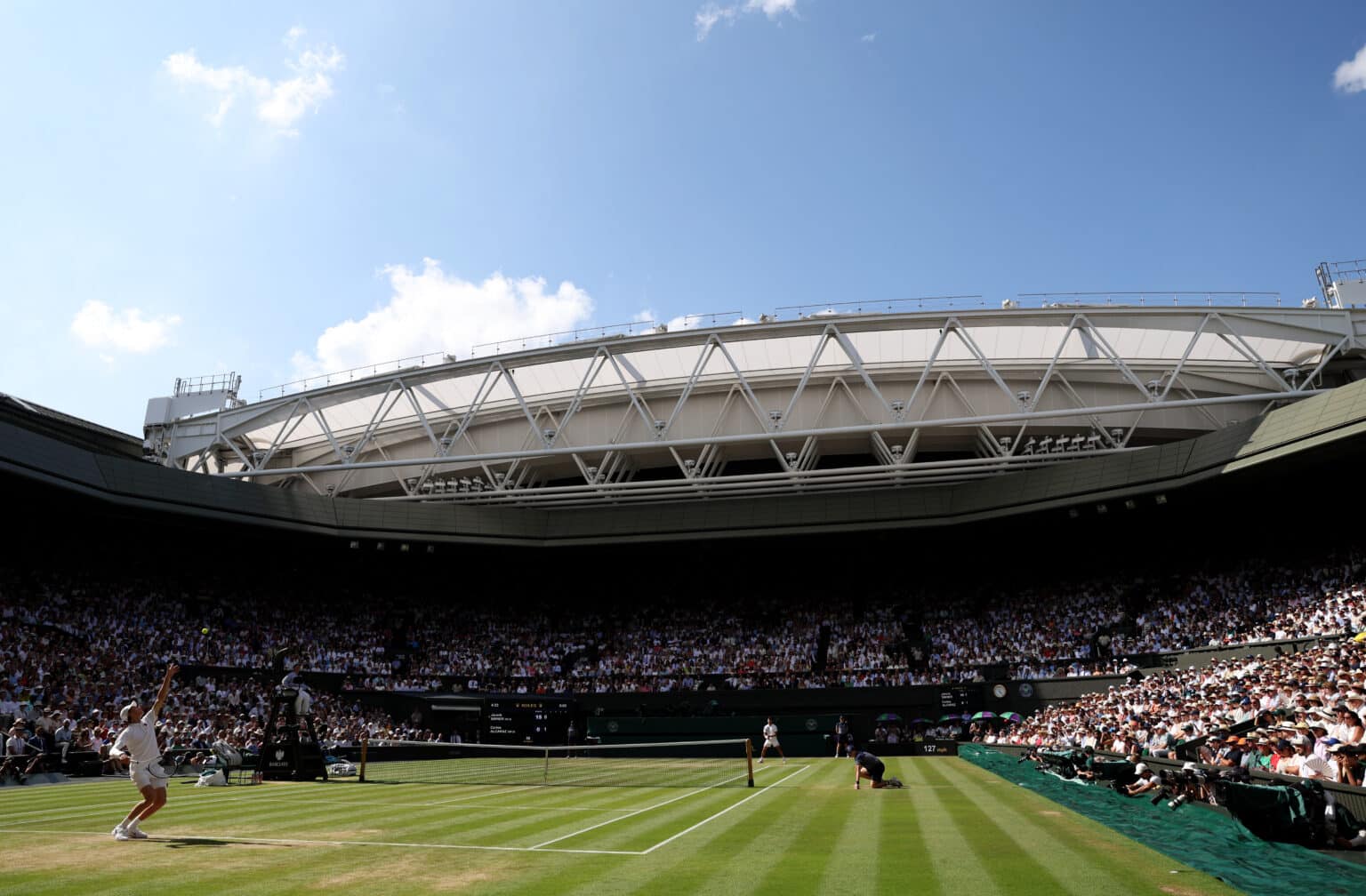




Since June 28, balls have been flying across the grass courts of Wimbledon. And every summer, the London Grand Slam continues to uphold its unique traditions and attract hundreds of thousands of spectators. From history and records to cuisine, here’s a look at the scope of this global tennis institution through seven facts.
1877
When the All England Lawn Tennis and Croquet Club organized the first edition of Wimbledon in July 1877, only 22 players competed in the men’s draw. Originally, the event was conceived to fund the purchase of a roller for court maintenance. No one could have imagined at the time that this competition would become the most prestigious tournament in the world of tennis.
Indeed, nearly 150 years later, Wimbledon remains the oldest of the four Grand Slam tournaments. Its history makes it a benchmark, and unlike the other majors, the tournament has retained many of its traditions, from the mandatory white attire for competitors to the presence of the royal family in the stands on Center Court.
8 millimeters
Of the four Grand Slam tournaments, Wimbledon is the only one played entirely on grass. The Australian Open and the US Open are played on hard courts, while Roland Garros remains the global benchmark for clay courts. And to ensure that British excellence is upheld, this very grass must be absolutely perfect: it is maintained daily at 8 mm by the All England Club’s groundskeepers.
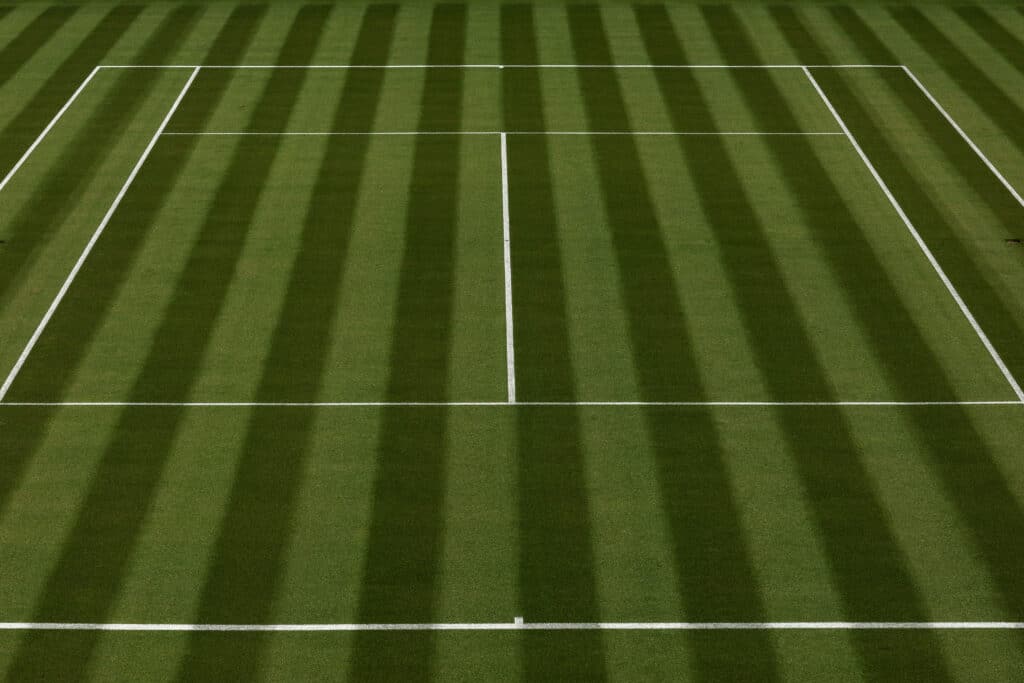
Thanks to this, this unique feature profoundly influences the game: rallies are generally faster, the ball bounces lower, and players must adapt their footwork to a surface known for being demanding.
64.2 million
The 2026 edition sets a new record with a total prize purse of 64.2 million pounds, a 20% increase from the 53.55 million distributed in 2025. The winners of the men’s and women’s singles draws will each take home 3.6 million pounds, up from 3 million a year earlier: this is the largest annual increase in prize money in Wimbledon’s history.
11 hours and 5 minutes
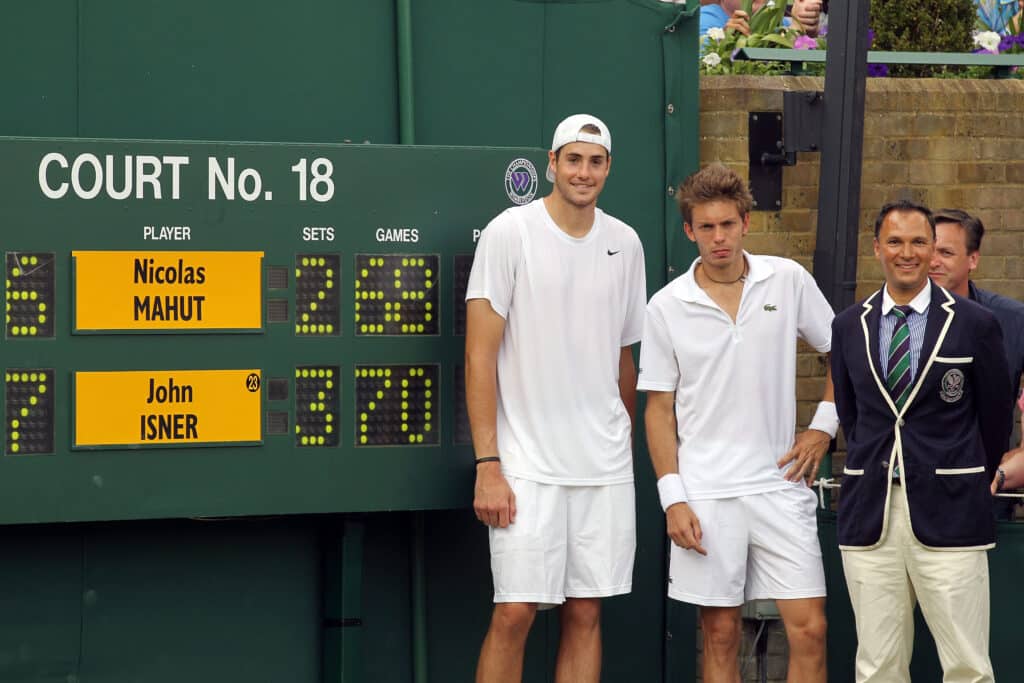
Wimbledon is also the scene of records that have marked the history of the sport, the most iconic being the first-round match between Nicolas Mahut and John Isner in 2010. Spanning three days, the match lasted no less than 11 hours and 5 minutes, an all-time record in the history of professional tennis. The fifth set alone lasted 8 hours and 11 minutes, ending with an unprecedented score of 70 games to 68 in favor of John Isner.
548,770 spectators
Wimbledon continues to break attendance records. During the 2025 tournament, the event welcomed 548,770 spectators—the highest attendance ever recorded since its inception. 2026 will present another opportunity to break this still-fresh record.
8 titles
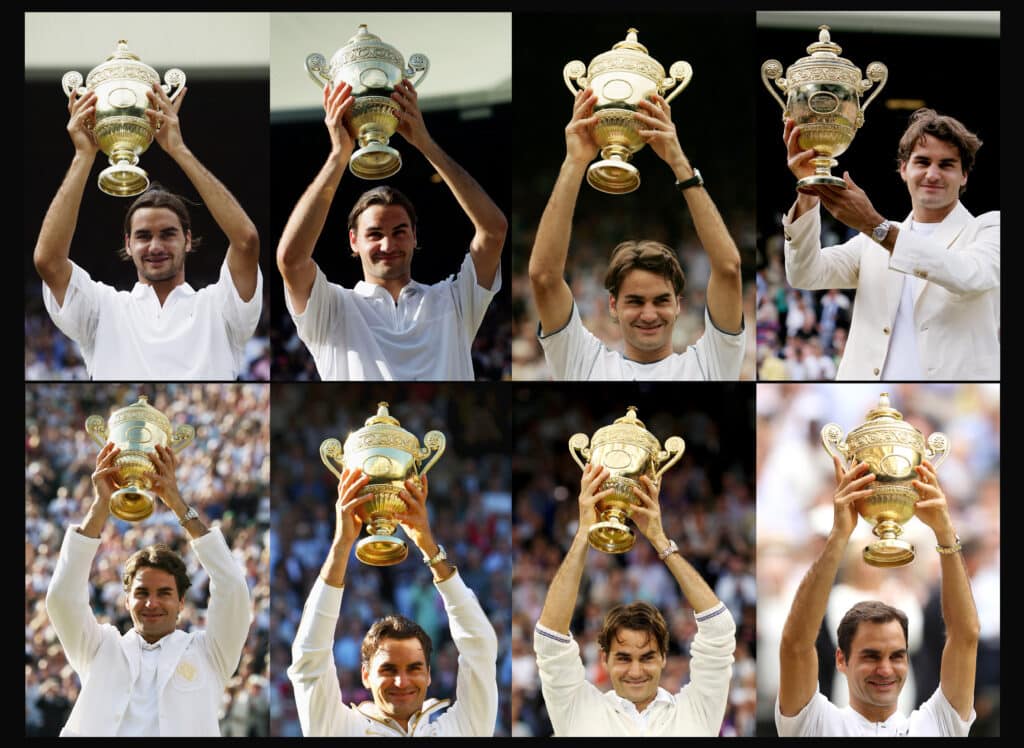
Winning Wimbledon even once is already one of tennis’s greatest achievements. Winning it eight times is truly exceptional. And in this regard, Roger Federer is the undisputed king. Between 2003 and 2017, the Swiss player won eight times in the men’s singles on the grass courts of London, a record in the men’s draw. Notably, the Swiss player won five consecutive titles between 2003 and 2007, before adding three more trophies in 2009, 2012, and 2017. He is closely followed by Pete Sampras and Novak Djokovic, who each have seven titles.
2.5 million… strawberries!
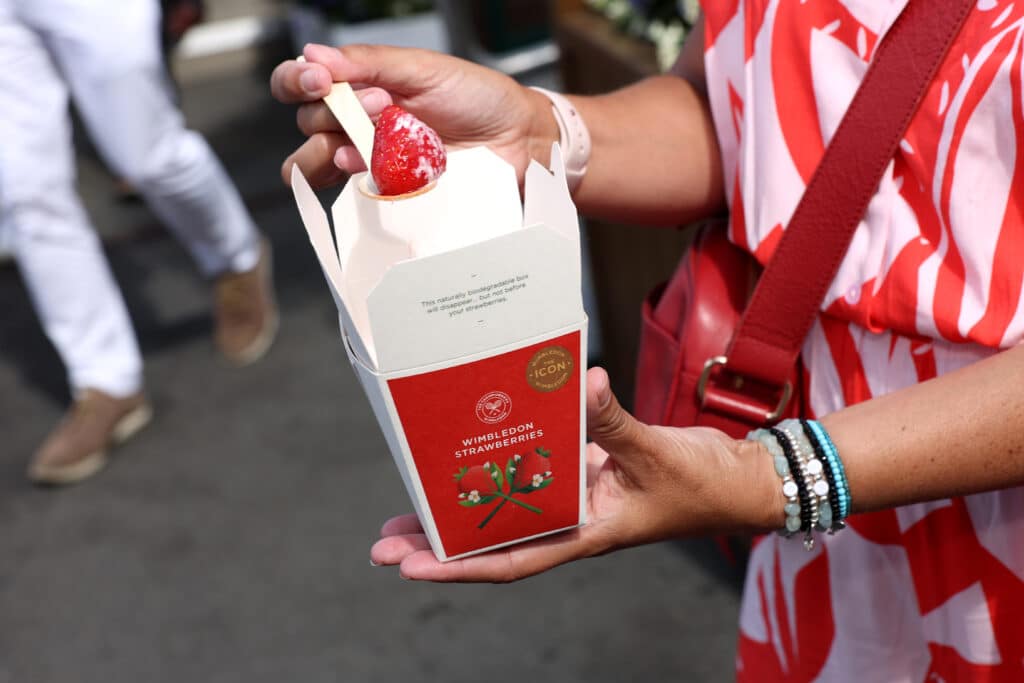
It’s impossible to talk about Wimbledon without thinking of the traditional strawberries and cream. Served since the tournament’s earliest days, they have become the symbol of the event, which takes place every year in the middle of the British strawberry season, with strawberries grown just a few dozen kilometers from London and delivered daily to the All England Club.
And each year’s tournament involves impressive quantities: more than 2.5 million strawberries are consumed over the two-week period, accompanied by no less than 13,200 liters of fresh cream!
Read also > [INVESTIGATION – INFOGRAPHIC] How did the Grand Slam tournaments become a multi-billion-dollar industry ?
Featured photo : © Getty Images